 Installation guide
 Owner’s manual


What's the average lifespan of a Maytag washer?
Most Maytag washers average 10 to 13 years of service life. For your Maytag MAH6500AWQ, lifespan depends most on load size, detergent use, installation conditions, and routine care; following the maintenance guidance in the owner's manual helps you get the longest life from the drive system, pump, hoses, and door components.
What affects washer lifespan the most
- Overloading increases strain on the drive belt, motor, and tub support.
- Oversudsing (too much detergent) can cause poor rinsing and extra wear.
- Water quality (sediment, hard water) can shorten valve and hose life.
- Moisture left in the door boot area can lead to odor and seal issues.
- Cold storage or freezing conditions can damage the pump and hoses if water is left inside.
Maintenance habits that extend life
We recommend these practical habits for the MAH6500AWQ:
- Leave the door slightly open between loads to help the tub dry.
- Use the correct detergent amount for load size and soil level.
- Periodically run a hot cycle with washer cleaner or (when appropriate) bleach, per the manual.
- Turn off water supply valves if the washer will sit unused for an extended period.
- Replace worn fill hoses before they burst; a standard replacement is the inlet hose WP89503.
Typical lifespan by component (what usually wears first)
| Component | Common symptom | Typical fix |
|---|---|---|
| Fill hoses | Bulging, cracking, leaking at ends | Replace hoses and check connections |
| Drain pump | Won’t drain, loud grinding | Inspect for debris; replace pump if needed |
| Drive belt | Won’t spin, burning rubber smell | Replace belt and inspect pulleys |
| Door lock | Door won’t lock or unlock | Replace door lock assembly |
Why it matters
A washer that is maintained and protected from freezing, oversudsing, and chronic overloading typically reaches the full expected lifespan. Small preventive steps also reduce the chance of sudden leaks that can damage floors and nearby cabinets.
Last updated: February 2026
What year did the Maytag MAH6500AWQ come out?
The Maytag MAH6500AWQ is part of the Maytag Neptune front-load washer lineup that was introduced in 1997. For the most accurate date for your specific unit, use the serial number information and reference the identification details in the MAH6500AWQ owner's manual.
How to confirm the exact age of your washer
We date a specific MAH6500AWQ by its serial number, not just the model number. The manual notes the model and serial number are on the data plate at the back of the door.
- Open the washer door and look for the data plate on the back of the door area.
- Write down the full MODEL and SERIAL number.
- Compare the serial number format to the identification guidance in the MAH6500AWQ owner's manual.
- If you are ordering parts, match parts by model number first, then verify with diagrams to avoid fit issues.
Why the “came out” year and your serial number can differ
Model families can stay in production across multiple years, and small revisions can happen during a run. That is why two MAH6500AWQ washers can share a model number but have different build dates.
Quick guide
| What you want to know | Best identifier to use | Where to find it |
|---|---|---|
| Product line introduction year | Model family (Neptune) | Historical product release info |
| Your washer’s build timeframe | Serial number | Data plate at the back of the door |
| Correct replacement part fit | Model plus parts diagram match | Parts list for MAH6500AWQ |
Why it matters
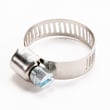
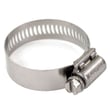
Knowing the approximate introduction year (1997) helps set expectations for common wear items on an older front-load washer, such as hoses, clamps, and door components. When you troubleshoot leaks or draining issues, matching the correct replacement part is key; for example, a worn clamp like the drain hose clamp WP285655 can contribute to seepage at a hose connection.
Last updated: February 2026
What is the most common problem with a Maytag washer?
For the Maytag MAH6500AWQ (Neptune) washer, the most common customer-reported problems are draining or spinning issues, leaks, and unusual noises. Many of these start with simple causes like an unbalanced load, oversudsing, or a restriction in the drain path; our MAH6500AWQ owner's manual also explains several normal sounds and spin behaviors that can be mistaken for a failure.
Most common issues (and what they usually point to)
- Won’t drain or drains slowly: drain pump restriction, kinked drain hose, or a failing pump
- Won’t spin or ends with clothes too wet: load not evenly distributed, oversudsing, or a door lock problem
- Leaking: loose hose connections, worn hoses, or a tub seal issue
- Noisy operation: normal “sloshing/whirring” from the balance ring, or a mechanical wear issue if the noise is new and loud
- Fill problems (no water or wrong temperature): inlet screens clogged, supply issue, or a failing inlet valve
Quick checks we recommend first
- Redistribute the load and rerun a spin; small loads and heavy items can throw the tub off balance.
- Reduce detergent if you see excess suds; oversudsing can prevent the washer from reaching full spin.
- Inspect hoses for kinks and seepage at the back of the washer.
- Listen for “normal” sounds during tumble; the manual notes sloshing/whirring and brief drain checks can be normal.
- Check the door lock behavior (clicking at start is often part of the lock check; failure to lock can stop spin).
Common symptoms and likely parts
| Symptom | What it often means | Example part for MAH6500AWQ |
|---|---|---|
| Won’t spin, door won’t secure | Door lock not engaging | Washer door lock assembly WP22003593 |
| Won’t drain, water left in tub | Drain pump issue or restriction | Pump WP25001052 |
| No agitation or weak spin | Belt slipping or worn | Drive belt 12001788 |
| Fill problems or temp control issues | Inlet valve problem | Washer water inlet valve with thermistor WP22003834 |
Why it matters
Drain and spin problems can leave clothes soaking wet and can strain the drive system. Leaks can damage flooring and nearby components. Catching the cause early often keeps the repair limited to a hose, clamp, belt, or valve instead of larger assemblies.
Last updated: February 2026
Do Maytag washers have filters that need to be cleaned?
Yes. Many Maytag washers use a drain pump clean-out (often called a pump filter) to catch lint and small debris; on the Maytag MAH6500AWQ, routine maintenance focuses on keeping the tub, door seal, and dispenser clean, and checking for drain restrictions when draining problems show up. For model-specific access steps, use the MAH6500AWQ owner's manual.
What “filter” means on the MAH6500AWQ
Front-load washers like the MAH6500AWQ can trap debris in the drain path (coins, hair pins, lint) even if the manual does not call out a simple twist-out filter door.
Common places debris collects:
- Pump inlet area and pump housing
- Sump and tub-to-pump hose
- Drain hose connection at the pump or standpipe
- Door boot (seal) folds where small items hide
When you should clean or check it
Check the drain path when you notice any of these symptoms:
- Washer will not drain or drains slowly
- Standing water left in the tub
- Loud buzzing/humming during drain
- Intermittent “no drain” behavior after washing small items
Quick symptom-to-check table
| Symptom | Most likely area to check first | Related part you may need |
|---|---|---|
| Slow drain | Drain hose for kinks/clogs | Drain hose clamp WP285655 |
| Won’t drain, pump hums | Pump for blockage or failed impeller | Pump WP25001052 |
| Leaks during drain | Hose connections and clamps | Hose clamp WP596669 |
Safe, practical steps we recommend
- Unplug the washer.
- Bail out water if needed (shallow pan and towels).
- Inspect the drain hose for kinks and standpipe clogs.
- If access is required, follow the panel-removal and pump access steps in the MAH6500AWQ owner's manual.
- Clear debris from the pump area and hoses; reinstall clamps securely.
Why it matters
A restricted drain path makes the washer leave clothes wetter, strain the pump, and can cause leaks at hose connections. Keeping the drain system clear helps the MAH6500AWQ reach proper spin and finish cycles normally.
Last updated: February 2026


