 Installation guide
 Owner’s manual
 Error Codes



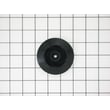
How to fix leaking GE Cafe dishwasher corner baffle replacement?
A leaking corner baffle is fixed by removing the old baffle, cleaning the tub corner so the new seal seats flat, then pressing the replacement fully into place. After the repair on your GE GSS1800Z1, run a fill and pump-out and recheck for leaks.
Before you start
- Turn off power at the breaker.
- Turn off the water supply.
- Pull out the lower rack for access.
- Clean away soap film and grit in the leaking corner.
- Confirm the dishwasher is level and securely fastened.
For model-specific access panel and leak-check steps, use the GSS1800Z1 installation guide.
Corner baffle replacement steps
- Peel the old corner baffle off slowly to avoid scratching the tub.
- Wash the corner with warm water and a non-abrasive sponge; dry completely.
- Align the new baffle with the tub corner.
- Slide it into position, then press firmly along the entire length.
- Check that the edge is fully seated with no lifted spots.
Quick fit check
| What you see | What it means | What to do |
|---|---|---|
| Seal looks lifted or “wavy” | Debris under the baffle | Remove, clean, reseat |
| Leak during fill or wash | Splashing past a gap | Press in again; verify level |
| Leak from below the tub | Not the corner baffle | Inspect pump, hoses, clamps |
Verify the repair
- Run a short cycle and watch the repaired corner during fill and wash.
- Check underneath for drips during pump-out.
- Reinstall the toe/access panel only after the leak check passes.
If the leak is coming from the sump area instead of the corner, inspect sealing points such as the pump gasket WD19X10010.
Why it matters
A properly seated corner baffle keeps wash water inside the tub, helping prevent floor damage and moisture around wiring and the access panel area.
Last updated: February 2026
How to order GE appliance parts?
For your GE GSS1800Z1 dishwasher, order parts by matching the full model number and the exact part number or part ID from the parts diagram; this prevents fit issues and speeds up shipping. If a part is in-warranty or out of stock, contact Sears PartsDirect support with your model and serial number.
The fastest way to order the right part
- Find the model tag and confirm the model is GSS1800Z1.
- Use the parts list to identify the exact part you need (name plus part number/ID).
- Compare your old part to the listing (mounting points, connectors, and shape).
- Order using the exact identifier, not a “looks similar” substitute.
- Keep your serial number handy for warranty documentation and support.
Common ordering examples for this model
If you already know what failed, ordering by the exact ID is the safest approach.
| What you’re replacing | Example part for GSS1800Z1 | What it affects |
|---|---|---|
| Spray arm cover piece | Arm cover WD14X10003 | Wash coverage and spray direction |
| Chopper/macerator assembly | Macerator WD19X10003 | Grinding food soil to help prevent clogs |
| Pump sealing surface | Pump gasket WD19X10010 | Leaks at the pump area |
When to contact Sears PartsDirect support (warranty or out-of-stock)
Use the warranty details and part identification information in the GSS1800Z1 owner's manual when:
- The dishwasher is still within the warranty period.
- The part you need shows out of stock or discontinued.
- You want to confirm the correct part using your serial number.
Why it matters
Dishwasher parts often look alike across GE platforms, but small differences in pump housings, seals, and spray components can cause leaks, poor cleaning, or installation problems. Ordering by the exact model and part ID keeps the repair straightforward.
Last updated: March 2026
Is it worth repairing a GE dishwasher?
Yes, repairing a GE dishwasher is worth it when the unit is in good overall condition and the repair is a normal wear item (drain, wash, or door-related) rather than repeated major failures. For GE model GSS1800Z1, we typically recommend repair when the cost is clearly below replacement and the dishwasher has been reliable.
Quick decision checklist
- Repair if the problem is isolated (leak, won’t drain, not cleaning) and the dishwasher has been dependable.
- Repair if the fix is a common service item such as a seal or pump component.
- Replace if you have frequent breakdowns, heavy rust, or multiple major symptoms at once.
- Replace if the tub is damaged or you see recurring electrical issues.
- Repair if you can confirm the issue with troubleshooting steps in the GSS1800Z1 owner’s manual.
Typical cost vs. value (simple guide)
| Situation | Usually the better choice | Why |
|---|---|---|
| One clear symptom (won’t drain, poor wash, small leak) | Repair | Often a single part or blockage issue |
| Multiple symptoms across cycles (fill, wash, drain, heat) | Replace | Often points to broader wear or control issues |
| Door sealing or minor hardware problems | Repair | Lower parts cost, straightforward labor |
| Repeated major repairs in a short time | Replace | Reliability and total cost trend upward |
What to check first (before buying parts)
- Confirm safe installation basics: proper power and grounding, correct water and drain connections (see the GSS1800Z1 installation guide).
- Look for a simple cause: clogged air gap, kinked drain hose, or low inlet water temperature (many GE units clean best with hot water around 120°F).
- Use error information when available: check the GE electronic dishwasher error codes to narrow the failure to a specific system.
Parts that commonly make a repair worthwhile
If symptoms match, these are typical “repairable” items on this model:
- Drain or grinding noise issues: macerator WD19X10003
- Leaks at the pump area: pump gasket WD19X10010
- Poor circulation or wash performance: impeller WD19X10008
Why it matters
A dishwasher replacement is a full appliance purchase plus installation time. A targeted repair can restore cleaning and draining performance quickly, especially when the issue is mechanical (pump, impeller, seals) rather than repeated system-wide failures.
Last updated: February 2026
What is the average lifespan of a GE dishwasher?
A GE dishwasher typically lasts 10 to 12 years with normal household use. For your GE GSS1800Z1, consistent cleaning, correct detergent use, and avoiding overheating plastics help reduce wear on the pump, spray arm, and heating element; see the GSS1800Z1 owner's manual for care and safety details.
Typical lifespan range (what to expect)
Most GE dishwashers fall into this range:
| Usage and care level | Typical lifespan | What usually shortens life |
|---|---|---|
| Light use, good maintenance | 12 to 15 years | Hard water scale, neglected cleaning |
| Average family use | 10 to 12 years | Overloading, poor detergent choice |
| Heavy use, minimal maintenance | 8 to 10 years | Chronic clogs, leaks, overheating |
What extends the life of a GE GSS1800Z1
We see the best results when you focus on the basics that protect wash performance and internal components:
- Use dishwasher detergent (powder, tabs, or liquid) intended for dishwashers; store it safely away from children.
- Load racks so items do not block the detergent dispenser or spray pattern.
- Keep lightweight plastic items secured so they do not drop onto the heating element.
- Maintain proper incoming water temperature (many dishwashers clean best around 120°F inlet water).
- Address fill, drain, or drying issues early instead of running repeated cycles.
Signs your dishwasher is nearing end of life
These symptoms often indicate major wear (especially in the wash system and seals):
- Dishes stay dirty even after correcting loading and water temperature
- Repeated “won’t fill” or “won’t drain” problems
- Persistent leaks at the door or underneath
- Loud grinding during wash (often tied to the chopper or impeller area)
- Cycles complete but performance keeps declining
Why it matters
A dishwasher that is past its typical lifespan often uses more time, water, and detergent to get the same results. Catching problems early can prevent secondary damage to the pump housing, impeller, and door seal.
If you’re troubleshooting performance symptoms, we use the GE dishwasher error codes guide to narrow down likely causes before replacing parts.
Last updated: February 2026
What is the most common problem with a GE dishwasher?
The most common GE dishwasher problem is a drain or wash-performance issue caused by restricted water flow (food debris in the sump area, a blocked drain path, or a struggling pump). On the GE GSS1800Z1, we start by checking draining, filling, and basic loading and detergent use.
Most common symptoms we see
- Water left in the bottom after the cycle (not draining)
- Dishes come out gritty or still dirty (poor wash circulation)
- Dishwasher fills slowly or not at all (water supply issue)
- Excess suds or poor drying (detergent or rinse aid related)
- Intermittent stopping or odd behavior (often tied to a fault code)
Quick checks that fix many “common problems”
Use these steps first because they address the most frequent causes without parts replacement.
- Confirm the water supply valve is fully open and the supply line is not kinked (a closed valve can prevent filling).
- Make sure incoming hot water is at least 120°F for proper cleaning and drying.
- Load so large items do not block the detergent dispenser or spray arm movement.
- Use automatic dishwasher detergent only; avoid hand-dish soap.
- If you see an air gap at the sink, clean it if it is clogged.
When a part is likely involved
If the dishwasher still will not drain or clean after the checks above, the issue often points to the pump area.
| Symptom | Common area to inspect | Example part for this model |
|---|---|---|
| Not draining, grinding noise | Chopper or pump components | Macerator WD19X10003 |
| Poor cleaning, weak spray | Pump/impeller area | Impeller WD19X10008 |
| Leaks near pump area | Pump sealing surfaces | Pump gasket WD19X10010 |
Why it matters
Drain and circulation problems do more than leave dirty dishes; they can cause odors, redeposit food soil, and increase cycle time because the dishwasher cannot move water correctly.
Helpful references
- Use the GSS1800Z1 owner's manual for troubleshooting tables (filling, drying, cleaning) and safe-use guidance.
- If your dishwasher shows a code, match it using GE dishwasher error codes.
Last updated: February 2026





