View engine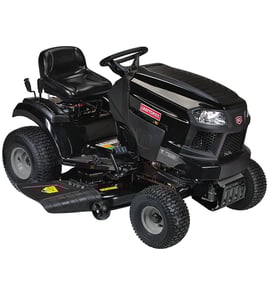


What size blades does a 42 inch deck use?
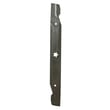
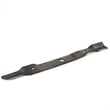
Most 42-inch mower decks (including common setups used on the Ariens 935335 lawn tractor) use two blades that are about 21 inches each, for a combined 42-inch cutting path; always match blade length, center hole pattern, and lift style to your exact deck.
Quick answer: what to buy for a 42-inch deck
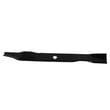
A 42-inch deck typically uses (2) 21-inch blades. On this model page, we list several 42-inch deck blade options that fit many 42-inch deck configurations:
- Mulching style: husqvarna lawn tractor mulching blade, 21-in 532134149
- High-lift style: lawn tractor 42-in deck high-lift blade 532138971
- 3-in-1 style (multi-purpose): 3-in-1 blade, 42-in 532422719
How to confirm the correct blade for your deck
Even when the deck size is the same, blades can differ by mounting pattern and lift. We recommend checking these before ordering:
- Blade length (measure tip-to-tip along the cutting edge)
- Center hole shape and size (star, round, “D”, etc.)
- Offset and lift (high-lift, low-lift, mulching)
- Deck model and spindle/mandrel style (some decks use different hardware)
- Blade thickness (helps with durability and balance)
Blade style comparison
| Blade type | Best for | Tradeoffs |
|---|---|---|
| Mulching | Returning fine clippings to the lawn | Can leave clumps in tall or wet grass |
| High-lift | Bagging and strong discharge | Noisier; can stir more dust |
| 3-in-1 | Versatility (mulch, bag, side discharge) | Not always the top performer in every mode |
Why it matters
Using the wrong blade length or mounting pattern can cause vibration, poor cut quality, belt wear, and uneven mowing. Matching the correct blade style also improves airflow under the deck, which directly affects cut and discharge performance.
Last updated: February 2026
Is it better to sharpen a lawn mower blade or buy a new one?
For an Ariens lawn tractor model 935335, it’s better to sharpen the blade when it’s only dull and the cutting edge is still solid; it’s better to buy a new blade when the blade is bent, cracked, badly nicked, or worn thin because damage can cause vibration and deck or spindle wear.
Quick rule of thumb
- Sharpen if the blade is dull and straight, with only small nicks.
- Replace if the blade has cracks, bends, missing chunks, or the cutting edge is getting thin.
- If you feel new vibration after sharpening, replace the blade and inspect the deck hardware.
What we recommend for model 935335
Sharpening is the normal maintenance choice for most mowing seasons. Replacement is the safer choice when the blade’s structure is compromised or you’ve already sharpened it many times.
Replace the blade if you see any of these
- Cracks (even hairline cracks near the center hole)
- A bent blade (uneven lift wings or wobble)
- Large dents or missing chunks from hitting rocks or roots
- A blade that’s been sharpened so much it looks thin at the edge
- Persistent vibration that doesn’t go away after balancing
Sharpening schedule and expectations
Most riding mower blades need attention about every 20 to 25 mowing hours (more often in sandy soil). Many owners replace blades about every 1 to 2 years, depending on conditions and how often the blade is sharpened.
Sharpen vs replace: comparison
| Option | Best for | Pros | Cons |
|---|---|---|---|
| Sharpen | Normal dullness | Lower cost, quick maintenance | Must balance; won’t fix bends/cracks |
| Replace | Damage or heavy wear | Smooth cut, less vibration risk | Higher cost than sharpening |
Why it matters
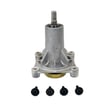
A sharp, straight, balanced blade gives a cleaner cut (less lawn stress) and helps protect the mower deck and mandrel bearings from vibration. If you’re seeing deck vibration or uneven cutting, also inspect the mandrel area, including the lawn tractor mandrel shaft assembly 587819701.
Last updated: February 2026
Is it worth replacing a lawn mower engine?
Yes, replacing the engine on your Ariens lawn tractor model 935335 is worth it when the tractor is otherwise in solid shape and the total repair cost stays below about half the price of a comparable replacement tractor. If the tractor also has major drive or deck problems, replacement usually makes more sense.
Quick decision checklist
- The frame, steering, and deck shell are straight and not badly rusted
- The transmission or transaxle drives smoothly (no slipping, grinding, or leaks)
- You can get the correct engine and mounting parts without major modifications
- The battery, wiring, and safety switches are in good condition
- You plan to keep the tractor for several more seasons
Cost and condition guide (simple rule)
Use this as a practical way to decide.
| What you’re seeing | Typical recommendation | Why |
|---|---|---|
| Engine failed but drivetrain and deck are good | Replace engine | You restore full value and extend service life |
| Engine failed and drivetrain is weak | Replace tractor | You risk stacking big repairs |
| Engine runs but cuts poorly | Fix deck components | Often a blade, belt, or mandrel issue |
| Starting issues only (clicks, no crank) | Diagnose electrical first | Solenoid, battery, or wiring is often the cause |
Don’t replace the engine until you rule out these common issues
Many “bad engine” symptoms are caused by cheaper problems:
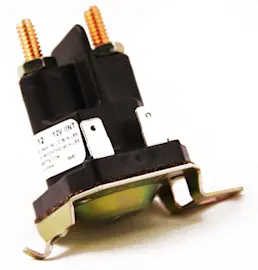
- No crank or just clicking: battery cables, grounds, or a failed solenoid such as the lawn tractor starter solenoid 582042802
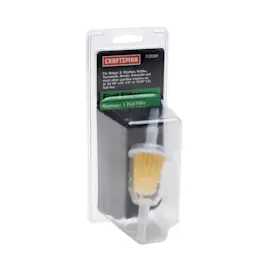
- Cranks but won’t start: stale fuel, clogged fuel system, dirty air filter, fouled spark plug
- Poor cut or vibration: worn mandrel, bent blade, or loose hardware; inspect the lawn tractor mandrel shaft assembly 587819701
- Blades won’t engage: belt wear or routing issues; check the lawn tractor ground drive belt 587086101 if your symptom is drive related
Helpful DIY guidance
Why it matters
An engine swap can be a smart investment, but only if it doesn’t mask bigger problems like a failing transaxle, unsafe wiring, or a worn mower deck. A quick inspection of the drivetrain and deck saves time and prevents repeat repairs.
Last updated: February 2026
Do I want high lift or mulching blades?
For your Ariens 935335 front-engine lawn tractor, choose high-lift blades when you want strong airflow for bagging or clean side discharge; choose mulching blades when you want to finely chop clippings and return them to the lawn. If you mow often and grass is not overgrown, mulching usually gives the best-looking finish.
Quick pick guide (most common scenarios)
- Bagging leaves or heavy spring growth: go high-lift
- Side discharge and you want fewer clumps: go high-lift
- You want to feed the lawn and reduce cleanup: go mulching
- You mow weekly and grass is dry: mulching works great
- You sometimes let grass get tall: high-lift is more forgiving
Blade options that fit this model page
These are common blade styles shown for this tractor parts list:
| Blade style | What it’s best at | Tradeoffs |
|---|---|---|
| High-lift | Strong suction, cleaner discharge, better bagging | Can be noisier; can leave windrows if grass is wet/too tall |
| Mulching | Finer clippings, less visible discharge, “fertilizer” effect | Needs more engine power; struggles in very tall or wet grass |
| 3-in-1 | Versatility (mulch, bag, discharge depending on setup) | Not always as specialized as a dedicated high-lift |
Model-page examples:
- High-lift: lawn tractor 42-in deck high-lift blade 532138971
- Mulching: husqvarna lawn tractor mulching blade, 21-in 532134149
- Versatile: 3-in-1 blade, 42-in 532422719
Why it matters
Blade design controls airflow under the deck. High-lift blades move more air, which stands grass up and pushes clippings out (or into a bag). Mulching blades keep clippings circulating longer so they get cut smaller, which helps them disappear into the turf.
Tips to get better results (either blade type)
- Keep blades sharp; dull blades tear grass and leave a brown cast.
- Mow when grass is dry for cleaner cutting and less clumping.
- Avoid removing more than about 1/3 of the grass height in one pass.
- If you mulch, slow down ground speed in thicker grass.
Last updated: February 2026
What model number is the Ariens Edge 42?
The model number for an Ariens Edge 42 is the exact number printed on the mower’s product identification tag; “Edge 42” (42-inch deck) is a series and deck size, not a single model number. For parts on this Sears PartsDirect page, the model number is 935335.
Where to find the model number on an Ariens mower
Check the product ID tag or sticker on the frame. Common locations include:
- Under the seat or on the seat pan
- On the rear frame near the engine
- On the left or right frame rail
- Near the battery tray
- Near the footrest area
Why “Edge 42” is not enough for parts matching
Ariens uses the model number and serial number to match the correct diagrams and parts because the same deck size can be built with different components.
- Different engine options and production runs
- Different deck spindle (mandrel) and pulley designs
- Different belt routing and idler setups
- Different electrical and safety interlock configurations
Quick identification guide
| What you have | What it tells us | What to use for parts |
|---|---|---|
| “Edge 42” decal | Series and deck size | Not enough by itself |
| Model number on ID tag | Exact product identifier | Primary lookup |
| Serial number | Build range | Confirms correct diagrams |
Why it matters
Using the correct model number prevents ordering the wrong blades, belts, or deck hardware. For example, deck-drive components such as a lawn tractor mandrel shaft assembly 587819701 or a mandrel pulley 532195945 must match the exact build.
Last updated: February 2026