Owner’s manual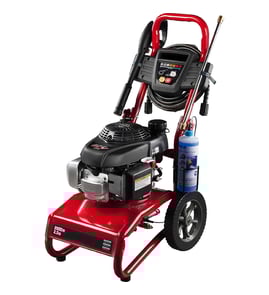



How to tell if your pressure washer pump is bad?
On the Craftsman pressure washer model 580767200, a bad pump usually shows up as low or surging pressure, water leaks at the pump, unusual grinding or rattling noise, or milky/discolored pump oil. Before condemning the pump, we verify water supply, purge air, and clean the nozzle as outlined in the 580767200 owner's manual.
Quick signs the pump is failing
- Pressure is low even with a good spray tip/nozzle setting
- Pressure pulses hard (not just a light “pulsing sensation”)
- Water leaks from the pump head or around seals
- Pump is louder than normal (grinding, rattling, knocking)
- Pump oil looks milky (water contamination) or very dark (overheating/wear)
Rule out common “not a bad pump” causes first
The manual calls out several issues that can mimic pump failure and can also damage the pump if ignored.
- Water supply not on: never run the pump without water connected and turned on
- Hoses not attached before starting: starting the engine without hoses connected and water supplied can damage the pump
- Clogged inlet screen: inspect and clean the inlet screen; do not run if the screen is damaged
- Air in the system: squeeze the trigger until you get a steady stream to purge air
- Clogged nozzle: a restricted nozzle can cause excessive pump pressure and pulsing; clean and back-flush the nozzle extension
Fast diagnostic checklist (in order)
| Check | What you do | What it tells us |
|---|---|---|
| Water supply | Turn water ON; use at least 10 ft of unrestricted garden hose | Starvation causes low pressure and pump damage |
| Purge air | Hold trigger until flow is steady | Air causes surging and weak spray |
| Nozzle condition | Clean nozzle and back-flush 30 to 60 seconds | Clogs cause pulsing and poor performance |
| Leak/noise/oil | Inspect pump for leaks; listen; check oil color | Confirms internal seal or component wear |
When replacement is the right call
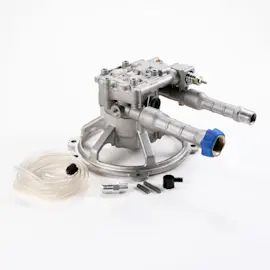
If you have steady water supply, a clean nozzle, and purged air but still have persistent low pressure plus leaking, abnormal noise, or contaminated oil, the pump is worn internally and replacement is typically the most reliable fix. For this model, the replacement pump is the pump 193461GS.
Why it matters
Running with restricted water flow, a clogged nozzle, or starting without water can quickly overheat and score plungers and seals. Catching those issues early often prevents a full pump replacement.
Last updated: January 2026
What kind of gas goes in a Craftsman 3000 psi pressure washer?
For the Craftsman pressure washer model 580767200, use clean, fresh unleaded gasoline. Use 87 octane (87 AKI) or higher, and only fill the tank with the amount you will use soon so fuel stays fresh (the tank capacity is 1.6 quarts). See the 580767200 owner's manual for the exact fuel and safety instructions.
Fuel type and what to avoid
Use standard pump gas that meets the engine’s requirements; avoid fuel that is old or contaminated.
- Use unleaded gasoline, 87 octane (87 AKI) minimum
- Avoid stale fuel (hard starting and surging are common)
- Avoid dirty fuel (can clog the carburetor and fuel system)
- Do not overfill; leave room for fuel expansion
- Wipe up spills before starting the engine
Quick specs for this model
| Item | Craftsman 580767200 spec | What it means for you |
|---|---|---|
| Gasoline type | Unleaded | Standard automotive gasoline |
| Minimum octane | 87 AKI | Regular grade is typically fine |
| Fuel tank capacity | 1.6 quarts | Small tank; buy fuel in small amounts |
Why it matters
Correct fuel helps the engine start easily, run smoothly under load, and reduces carburetor varnish buildup during storage. Fresh fuel is especially important on seasonal equipment like gas pressure washers.
Related maintenance tip (helps prevent fuel issues)
If you are storing the washer for an extended period, follow the storage steps in the manual and consider seasonal prep guidance in steps for winterizing and storing a pressure washer.
Last updated: January 2026
What is the life expectancy of a gas pressure washer?
A gas pressure washer typically lasts 5 to 7 years for residential use, or roughly 100 to 500 operating hours for many consumer-grade units. With consistent maintenance and proper storage, your Craftsman 580767200 can reach the upper end of that range (and beyond). See the 580767200 owner's manual for the maintenance schedule that most directly impacts lifespan.
What most affects lifespan on the 580767200
- Oil changes on schedule: change oil after the first 5 hours, then every 50 hours or yearly (whichever comes first).
- Never run the pump without water: running dry quickly damages seals and pistons.
- Storage longer than 30 days: stabilize fuel and protect the pump before storage.
- Water temperature: keep supply water 100°F or below.
- Operating habits: long periods of bypass (trigger released) heat the pump and shorten life.
Maintenance timeline (simple guide)
| Interval | What to do | Why it matters |
|---|---|---|
| First 5 hours | Change engine oil | Removes break-in debris that accelerates wear |
| Every 50 hours or yearly | Change engine oil | Extends engine life and reduces power loss |
| Before long storage (30+ days) | Treat fuel, protect pump | Prevents fuel-system damage and freeze/seal damage |
| Each use | Confirm steady water supply | Prevents rapid pump seal failure |
Signs your pressure washer is nearing end-of-life
- Pressure is weak even with a correct spray tip and good water supply
- Pump leaks from the head or crank area
- Pulsing pressure that does not improve after clearing restrictions
- Engine runs but surges, stalls, or loses power under load
- Repeated seal failures or oil contamination
Why it matters
Most “short lifespan” complaints come from storage fuel issues and pump damage from running without water. Following the manual’s oil-change and storage steps protects the engine and pump, which are the two most expensive systems on a gas pressure washer.
Last updated: January 2026