 Error Codes



Who makes KitchenAid dishwashers now?
KitchenAid dishwashers are made by Whirlpool Corporation. For your KitchenAid model KDD20, that means the dishwasher design, manufacturing, and replacement-part support are under the Whirlpool family (the same parts ecosystem used across many Whirlpool-built dishwashers).
When you’re troubleshooting or replacing components on a KDD20 dishwasher, you’ll commonly see Whirlpool-style part IDs and compatibility across related platforms.
- Use the model number KDD20 when searching parts to avoid fit issues
- Match by part ID (not just a description like “gasket” or “switch”)
- If you’re chasing a leak or overfill symptom, start with the float system parts
- Keep fasteners and rack hardware model-correct to prevent alignment problems
- If the dishwasher is acting “stuck” in a cycle, check for error-code guidance first
These are examples of Whirlpool-family parts listed for this model that relate to frequent service calls:
| Symptom | Part to check | Why it’s relevant |
|---|---|---|
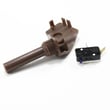
| Overfilling or not filling correctly | Dishwasher float switch assembly W10207863 | The float switch helps stop filling at the correct water level |
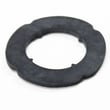
| Leaks near the float area | Gasket WP8531743 | A worn gasket can allow water to seep where the float switch base seals |
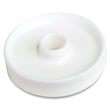
| Lower rack not rolling smoothly | Roller WP4162322 | Worn rollers cause rack drag, misalignment, and poor loading |
If your KitchenAid dishwasher is showing a fault pattern or behaving like it will not start, we use KitchenAid-specific troubleshooting steps to narrow it down quickly.
Knowing Whirlpool makes KitchenAid dishwashers helps you choose correct replacement parts, follow the right troubleshooting flow, and avoid mismatched components that can cause leaks, poor cleaning, or repeat failures.
Last updated: February 2026
What is the most common problem with a KitchenAid dishwasher?
The most common KitchenAid dishwasher problem is poor cleaning (dishes come out dirty) caused by restricted water flow from a clogged filter area or spray arms. On the KitchenAid KDD20, the next most common issues are draining problems, leaks at seals, and occasional start or control-related failures.
- Dirty dishes or grit left behind: spray arm holes blocked, filter area dirty, low water temperature
- Standing water in the tub: drain hose restriction, drain path blockage, pump issue
- Water on the floor: worn or mis-seated gasket, door not closing squarely
- Won’t start or stops mid-cycle: door not latching fully, control or safety circuit interruption
- Poor drying: heater circuit issue, rinse aid or loading pattern problems
- Clean the filter area and remove debris from the sump.
- Spin spray arms by hand; clear any clogged jets.
- Confirm hot water supply to the dishwasher (most homes target about 120°F at the sink).
- Check the drain hose for kinks and verify the sink/disposer connection is clear.
- Inspect the door closing alignment and look for gaps or folds in the seal.
| Problem | What to inspect | Example part for this model |
|---|---|---|
| Leak near the float area | Float switch base seal | Gasket WP8531743 |
| Overfill or fill issues | Float switch operation | Switch W10207863 |
| Rack not rolling smoothly (can affect loading and wash coverage) | Worn rack wheels | Roller WP4162322 |
Cleaning and draining problems usually get worse over time; restricted flow makes the wash motor work harder, and small leaks can damage flooring. Catching the cause early often prevents a bigger repair.
If your KitchenAid dishwasher is showing an error code, use our code list to match the symptom to the most likely circuit or component: KitchenAid he dishwasher error codes.
Last updated: February 2026
What does KDD stand for?
On the KitchenAid KDD20 dishwasher, KDD is part of the model number prefix KitchenAid used to identify a dishwasher series or design family; it is not an acronym you need to decode for operation, parts, or troubleshooting. For repairs, the key identifier is the full model number KDD20.
Use the complete model number so we match the correct KitchenAid dishwasher parts list and diagrams.
- Confirm the model number on the rating label matches KDD20 exactly
- Search parts by function (rack, float switch, door seal, fasteners)
- Match by part ID when possible to avoid ordering the wrong revision
- If you are fixing a leak or overfill issue, start with the float area parts
| Common repair area | Example part on this model page | What it relates to |
|---|---|---|
| Overfill protection | Switch W10207863 | Float switch assembly that helps detect high water |
| Sealing at float base | Gasket WP8531743 | Gasket used at the float switch base area |
| Rack movement | Roller WP4162322 | Helps the rack roll smoothly |
“KDD” by itself does not tell you which component fits; KDD20 does. Using the full model number reduces returns and speeds up repairs, especially for parts like a float switch, gasket, or rack roller.
If your KitchenAid dishwasher is showing a fault pattern or not running correctly, use a model-appropriate error code reference such as KitchenAid he dishwasher error codes.
Last updated: February 2026
What's the average lifespan of a KitchenAid dishwasher?
Most KitchenAid dishwashers, including model KDD20, typically last 10 to 14 years with normal household use. Consistent cleaning, correct detergent use, and fixing small issues early (like leaks or draining problems) are what most often push a dishwasher to the high end of that range.
- Water quality (hard water speeds up mineral buildup)
- How often you run it (daily use wears pumps, seals, and racks faster)
- Cleaning and maintenance (filters, spray arms, and door seals)
- Loading habits (overloading strains the wash system and racks)
- Early leak or drain symptoms that go uncorrected
- Clean the tub and wash system monthly using the steps in how to clean and maintain your dishwasher.
- Keep the door sealing surfaces clean and dry after heavy use.
- If you notice water collecting in the base or intermittent overfilling, inspect the float area; a worn gasket WP8531743 can contribute to float switch base leaks.
- If the lower rack starts sagging or binding, replace worn rack wheels; a damaged roller WP4162322 can cause misalignment that leads to poor washing and extra strain.
| Symptom | Most common cause | What to do first |
|---|---|---|
| Not draining | Clog, drain hose issue, pump problem | Follow dishwasher not draining video checks |
| Not cleaning well | Spray arm blockage, loading, wash system buildup | Use dishwasher not cleaning dishes video steps |
| Leaking | Door seal area, float system, hose connections | Use dishwasher leaks video checks |
| Won’t start / stops mid-cycle | Door latch, control issue, power supply | Use dishwasher wont start video checks |
A dishwasher that is maintained and repaired early usually avoids secondary damage (motor strain, corrosion, repeated leak events). That is the difference between a unit that fails around 10 years and one that runs reliably closer to 14 years.
Last updated: February 2026





