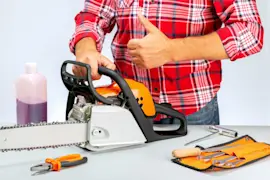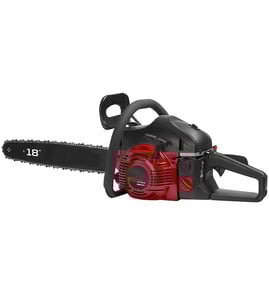

Is 40:1 or 50:1 mix for chainsaws?
For a Homelite UT-10654 gas chainsaw, we use the fuel-to-oil ratio specified for that engine; in practice, most modern 2-cycle chainsaws run 50:1 with quality 2-cycle oil, while 40:1 adds more oil (more lubrication, more smoke). If you are unsure, stick with 50:1 using a reputable 2-cycle oil.
Quick answer: 40:1 vs 50:1
- 50:1 (leaner oil mix): cleaner running, less smoke, less plug fouling
- 40:1 (richer oil mix): more lubrication, can smoke more, can foul plugs sooner
- Using too little oil is the bigger risk; it can accelerate piston and cylinder wear
- Using too much oil usually shows up as smoke, carbon buildup, and a dirty spark arrestor
How to mix it correctly
Use fresh, ethanol-free fuel when possible and mix only what you will use soon.
| Ratio | Gasoline | 2-cycle oil |
|---|---|---|
| 50:1 | 1 gallon | 2.6 oz |
| 40:1 | 1 gallon | 3.2 oz |
What to do if the saw runs poorly after mixing
If your UT-10654 smokes heavily, bogs, or will not rev cleanly:
- Drain old fuel mix and refill with fresh, correctly mixed fuel
- Check and clean the air filter
- Inspect the spark plug for heavy carbon and replace if needed
- Clean the muffler spark arrestor screen
- If it still runs rough, follow our tips for a hard to start chainsaw
Why it matters
The correct mix ratio protects the crank bearings, piston, and cylinder while keeping the carburetor and exhaust system from loading up with carbon. A consistent mix also makes tuning and troubleshooting much easier.
Last updated: February 2026
Is the Homelite chainsaw good or bad?
Homelite chainsaws like the UT-10654 are a good choice for light, occasional homeowner cutting (limbs, storm cleanup, small firewood). For frequent or heavy-duty work, they tend to feel “bad” because performance and durability usually drop faster under long run times and tough cutting.
How to decide if it’s “good” for your needs
Use this quick checklist:
- Good fit: yard cleanup, pruning, occasional limbing
- Not a good fit: daily cutting, large hardwood rounds, long continuous run time
- Good fit: you want a simpler, budget-friendly saw and do basic maintenance
- Not a good fit: you expect pro-level power, low vibration, and long service life
- Good fit: you can keep the chain sharp and bar oil topped off
What usually makes a chainsaw feel “bad” (and how to fix it)
Many “bad saw” complaints are really setup or maintenance issues. Start here:
- Won’t start or starts then dies: stale fuel, fouled spark plug, dirty air filter, carburetor/fuel line issues (see tips for a hard to start chainsaw)
- Cuts slow: dull chain, incorrect depth gauges, chain installed backward (see how to sharpen a chainsaw)
- Chain keeps loosening or derailing: improper tension, worn bar/drive sprocket, loose fasteners
- Runs rough: air leak, carburetor tuning, clogged muffler screen (see chainsaw runs rough)
Fastener check (simple but important)
On the UT-10654, vibration can loosen hardware over time. If you notice rattling, chain cover movement, or inconsistent tension, inspect and replace worn fasteners as needed:
| What you notice | Common cause | What to do |
|---|---|---|
| Chain won’t stay tensioned | Loose/worn hardware | Inspect and replace stripped fasteners |
| Cover shifts or rattles | Missing washer/nut | Replace missing hardware and tighten evenly |
| Random vibration noises | Backed-out screw/bolt | Re-seat and secure fasteners |
If you need replacements, match what’s on your saw to the parts list for UT-10654; common hardware items include bolt 69195, screw 88063, and hex nut 81117.
Why it matters
Using a chainsaw that is underpowered for the job or poorly maintained increases cutting time, wear on the clutch/bar/chain, and the chance of kickback. A “good” saw is the one that matches your workload and stays properly tuned, sharp, and securely assembled.
Last updated: February 2026
Can you still get parts for Homelite chainsaws?
Yes. We still offer replacement parts for Homelite chainsaws, including the Homelite UT-10654 gas chainsaw, as long as the specific part is available for your model. The most reliable way to match fit is to shop by model number and compare the part listing to your saw’s diagram.
How to find the right part for your UT-10654
Use your model number (UT-10654) and then match the part to the location on the saw (starter, handle, clutch cover, etc.). When you’re comparing options, focus on the part ID and how it’s used on the assembly.
- Confirm the model number on the saw’s data label: UT-10654
- Identify the system you’re repairing (starter, bar and chain area, fuel system)
- Match the part by part ID and description, not just by appearance
- Replace missing fasteners with the correct size and thread type
- Order common hardware you need for reassembly (washers, screws, nuts, bolts)
Common parts we stock for this model
These are examples of parts currently listed for the UT-10654 that are often needed during repairs or reassembly:
| Part type | Example part on this model | When you’d replace it |
|---|---|---|
| Washer | Washer 84065 | Lost during teardown, worn, or needed for proper spacing |
| Bolt | Bolt 69195 | Stripped threads, missing bolt, or damaged head |
| Screw | Screw 88063 | Missing screw, stripped head, or damaged threads |
| Hex nut | Hex nut 81117 | Nut won’t tighten, threads damaged, or missing |
Why it matters
Chainsaws rely on correct hardware spacing and secure fasteners to keep the bar area, covers, and controls aligned. Using the correct washer, screw, bolt, or nut helps prevent vibration-related loosening and reduces the chance of parts shifting during operation.
If you do not see the part you need
Parts availability varies by model and by component. If the exact item is not listed, use the parts list for UT-10654 to browse related assemblies and confirm the correct replacement before ordering.
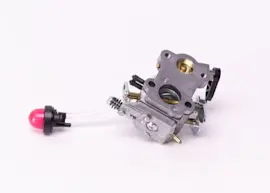
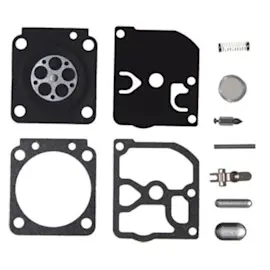
For troubleshooting that leads to parts replacement (fuel delivery, carburetion, or starting issues), our DIY guide tips for a hard to start chainsaw can help you narrow down what to check first.
Last updated: February 2026
How can I tell how old my Homelite chainsaw is?
You can estimate the age of your Homelite UT-10654 chainsaw by finding the ID label, writing down the full UT number and the complete serial number, then matching that serial format to the correct Homelite date-code pattern. The exact serial format determines how the year is read.
Find the model and serial label
Look for a sticker or metal tag in these common locations:
- Rear handle area
- Recoil starter housing
- Near the fuel tank or oil tank
- Under the top cover near the air filter
- Bar-mount side near the clutch cover
What to record (do this first)
Write the information exactly as printed so the format can be decoded correctly:
- UT number (model), for example UT-10654
- Full serial number (all digits and any letters)
- Any extra code line (revision, production code)
Decode the year by matching the serial format
Homelite used multiple serial-number systems over time, so start by identifying the pattern.
| Serial pattern you see | What it usually means | Next step |
|---|---|---|
| All numbers (often 8 digits) | Commonly contains a year digit or year pair | Identify which digit(s) represent the year |
| Letters plus numbers | Often includes a plant/prefix plus a date segment | Decode the date segment after the prefix |
| Multiple code lines | One line is model, one is serial | Use the serial line for dating |
Why it matters
Using the wrong pattern can put the saw in the wrong decade. Getting the UT number and serial exactly right is what makes the production-year match accurate.
If you are also ordering parts
Once you confirm UT-10654, you can match parts by diagram even if the serial is hard to read. Common hardware examples include the screw 88063 and hex nut 81117.
Last updated: February 2026