Installation guide
 Owner’s manual


What is the most common problem with a Whirlpool dishwasher?
For the Whirlpool WDT970SAHZ0 dishwasher, the most common problems we see are poor cleaning (food left on dishes), draining issues (water left in the tub), and leaks around the door area. Many of these are caused by loading, detergent, or routine maintenance and can often be corrected without major repairs.
Most common issues (and what to check first)
- Not cleaning well: Make sure nothing blocks the upper or lower spray arms; clean the filter system monthly.
- Won’t drain or water remains in tub: Check for a kinked drain hose, disposer knockout plug (if connected), or a clogged drain path.
- Leaks: Inspect the door seal area for debris, damage, or a door that is not closing squarely.
- Detergent not dispensing: Large items can block the dispenser door; use fresh detergent and confirm the cycle completes.
- Not drying: Use rinse aid and Heat Dry; plastics often need towel drying.
Quick model-specific maintenance that prevents many problems
The WDT970SAHZ0 uses a filter system that should be rinsed regularly to keep wash performance strong. We recommend following the cleaning schedule and steps in the WDT970SAHZ0 user instructions manual.
Helpful checks in the tub
| Symptom | Most likely cause | First action |
|---|---|---|
| Gritty dishes | Dirty filter | Remove and rinse filter assemblies |
| Poor spray | Blocked spray arm holes | Clear debris from spray arm openings |
| Odor | Food residue, standing water | Clean filter; run a cleaning cycle |
When a part is likely involved
If you’ve confirmed proper loading, detergent, and filter cleaning, a worn seal or wash component can contribute to recurring issues.
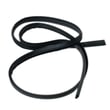
- For leaks at the door, inspect the dishwasher door seal W11177741 for tears, flattening, or gaps.
- For poor cleaning, check that the spray arms spin freely and aren’t cracked; if needed, the dishwasher spray arm WPW10498900 is a common wear item.
Why it matters
Modern Whirlpool dishwashers like the WDT970SAHZ0 are designed to save water and energy, so they rely heavily on correct loading, rinse aid, and a clean filtration system. Small maintenance steps can prevent repeat service issues and improve cleaning results.
Last updated: January 2026
What is the average lifespan of a Whirlpool dishwasher?
Most Whirlpool dishwashers, including model WDT970SAHZ0, typically last about 7 to 10 years with normal household use. Lifespan varies most with water quality, how often you run cycles, and whether you keep the filter and spray system clean per the WDT970SAHZ0 user instructions manual.
What affects lifespan the most
A dishwasher usually wears out from heat, moisture, and moving parts (pump, motor, door system). These factors tend to matter most:
- Hard water buildup (can shorten life if filters and interior are not maintained)
- Heavy daily use (more cycle counts equals more wear)
- Poor draining or standing water (stresses seals and pump components)
- Overloading or blocking spray arms (reduces cleaning and increases strain)
- Skipping filter cleaning (can lead to gritty dishes and circulation issues)
Maintenance habits that help WDT970SAHZ0 last longer
We recommend following the care guidance in the manual and keeping a simple routine:
- Clean the upper and lower filters regularly (monthly is a good baseline)
- Use rinse aid to improve drying and reduce spotting and mineral deposits
- Run hot water at the sink until it is hot before starting; Whirlpool recommends 120°F (49°C) incoming water
- Avoid pre-rinsing with soap (suds can cause problems); scrape food instead
- Check that nothing blocks the spray arms and detergent dispenser before starting
Quick “repair vs. replace” checkpoints
These are practical signs that a dishwasher may be nearing end-of-life, especially after the 7 to 10 year range:
| What you notice | What it often points to | Typical next step |
|---|---|---|
| Leaks at the door | Worn door sealing surfaces | Inspect/replace dishwasher door seal W11177741 |
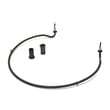
| Poor drying | Rinse aid use, heater, airflow issues | Verify settings and consider element assembly W10703867 if heat is not working |
| Won’t drain consistently | Drain restriction or failing pump | Check hose and consider dishwasher drain pump W10876537 |
Why it matters
Knowing the typical lifespan helps you decide when maintenance is worth it versus when repeated repairs may not be cost-effective. On WDT970SAHZ0, routine filter cleaning and correct detergent use can prevent many “early failure” symptoms.
Last updated: January 2026
How many decibels is wdt970sahz0?
We can’t confirm an official decibel (dBA) rating for the Whirlpool WDT970SAHZ0 dishwasher from the model-specific documents available here; the sound rating typically comes from a product spec sheet or energy listing, not the use & care guide. For normal operating sounds and what’s considered typical, use the WDT970SAHZ0 user instructions manual.
What we can verify for WDT970SAHZ0
The WDT970SAHZ0 manual describes normal dishwasher noises and common causes of “noisy” operation, but it does not list a dBA number.
- It’s normal to hear periodic fill, wash, and drain sounds
- A “snap” can occur when the detergent dispenser opens
- Thumping can happen if items extend into a spray arm path
- Installation and leveling can affect perceived noise
How to tell if the noise is normal or a problem
Use these quick checks before assuming a part has failed:
- Confirm nothing blocks the upper or lower spray arm
- Reload to prevent dishes and utensils from touching
- Remove and reinstall the filters so they lock in place
- Check that the dishwasher is level and secured in the cabinet
- If the door doesn’t close firmly, inspect the latch area
Common dishwasher sounds (general guide)
| Sound you hear | When it happens | Usually indicates |
|---|---|---|
| Whoosh/hiss | Fill or drain | Normal water movement |
| Swishing/spraying | Wash | Normal spray action |
| Click/snap | Mid-cycle | Dispenser opening |
| Thump/rattle | Any time | Loading interference |
Why it matters
A dBA rating is useful for comparing models, but it won’t explain every noise you hear at home. Loading, filter seating, and installation can make a quiet dishwasher seem louder even when it’s operating normally.
Last updated: January 2026