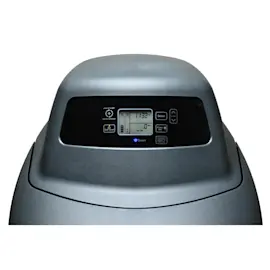
Installation guide
 Owner’s manual
 Error Codes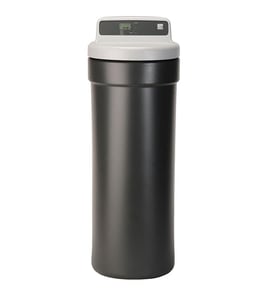




How often does water softener resin need to be replaced?
For Kenmore water softener model 625383500, plan to replace the resin about every 10 to 15 years under normal household conditions. If your water supply is high in chlorine, iron, or hardness, resin can wear out sooner and may need replacement closer to 5 to 7 years.
What the model-specific documents tell us
The installation instructions for model 625383500 identify the resin as a consumable item (not covered like major tanks), which is consistent with resin being a normal wear item over time. For model-specific setup and operating details, use the 625383500 installation instructions.
Signs the resin is worn out
If your softener is programmed correctly and regenerating but performance is poor, resin breakdown or fouling is a common cause. Watch for:
- Hard water symptoms returning (spots, scale, poor soap lather)
- Normal salt use but little or no improvement in softness
- Resin “fines” (grit) collecting in faucet aerators
- Resin beads appearing in water (often after resin damage)
- More frequent regenerations with weak results
What usually shortens resin life
These conditions commonly reduce resin life in any water softener, including Kenmore units:
- Chlorinated municipal water (oxidation over time)
- Iron or sediment in the incoming water
- Very high hardness settings and heavy household demand
- Long periods of non-use with stagnant water in the resin tank
- Regeneration problems that prevent proper brine draw
A restriction in the venturi/nozzle can mimic “bad resin” symptoms; see how to clean a water softener nozzle and venturi before you commit to a resin change.
Replacement guidance and parts
If you’ve confirmed the unit is regenerating correctly and water is still hard, replacing the resin is a reasonable next step. A compatible replacement option for this model is water softener resin 0502272.
Quick decision table
| What you observe | Most likely cause | Best next step |
|---|---|---|
| Not using salt | Brine draw/regeneration issue | Check venturi/nozzle, brine system, settings |
| Uses salt but water stays hard | Resin exhausted or fouled | Test hardness, consider resin replacement |
| Beads or grit in water | Resin breakdown or internal distribution issue | Inspect tank components; replace resin if needed |
Why it matters
Worn resin reduces softening capacity, wastes salt and water during regeneration, and can send debris into fixtures. Replacing resin at the right time restores soft water performance and helps protect appliances.
Last updated: January 2026
Is it worth repairing a water softener?
Yes, repairing a Kenmore 625383500 water softener is usually worth it when the problem is limited to serviceable components (valve drive, seals, controls) and the resin tank and salt tank are not leaking. If the unit has repeated major failures or tank leakage, replacement is typically the better value.
How we decide for model 625383500
We look at whether the issue is a normal wear item repair versus a “core system” failure.
- Good repair candidates: no soft water due to a stuck valve, worn seals, a failed motor, or a control problem
- Often not worth it: cracked resin tank, leaking salt storage drum, or multiple expensive failures close together
- Always check first: salt bridging, incorrect programming, or a clogged venturi (these can mimic a “bad softener”)
For setup, operating checks, and regeneration basics, use the 625383500 installation guide.
Common repairs that are usually cost-effective
These are typical fixes that can restore performance without replacing the whole softener:
- Replace the valve drive motor: Kenmore elite water softener valve motor 7281291
- Rebuild sealing surfaces in the valve: Kenmore water softener seal kit 7129716
- Fix brine draw issues (nozzle/venturi): water softener nozzle and venturi with gasket 7187772
- Address “no display” or erratic controls: water softener electronic control board 7327827
Quick cost-benefit checklist
| What you’re seeing | Likely scope | Usually worth repairing? |
|---|---|---|
| Hard water, unit still runs | Cleaning/adjustment or small part | Yes |
| Unit stuck in regen or noisy | Motor or seal/rotor service | Yes |
| Water in brine tank not changing | Venturi/brine system service | Yes |
| Tank or drum leaking | Major component | No |
Why it matters
A working softener protects plumbing, water heaters, and fixtures from scale. Repairing a fixable valve or control issue can restore soft water quickly and usually costs far less than replacing the entire water treatment system.
Last updated: January 2026
What are common problems with water softeners?
Common problems with the Kenmore 625383500 water softener include no soft water, salt bridging in the brine tank, regeneration problems, and leaks around the valve or plumbing connections. Many issues trace back to salt quality, incorrect settings, restricted drain flow, or worn seals.
Most common symptoms and what they usually mean
- Hard water returns: unit not regenerating, wrong hardness setting, or resin not exchanging properly
- Softener not using salt: salt bridge, brine draw problem, or venturi/nozzle restriction
- Water in brine tank too high or too low: brine valve/float issue, venturi restriction, or drain restriction
- No display or dead control: power/transformer issue or failed control board
- Leaks: worn O-rings/seals, loose fittings, or valve body issues
Quick checks we recommend first (no parts swapping)
Use these checks to narrow the cause before you disassemble anything; the installation steps and limits are outlined in the 625383500 installation guide.
- Confirm the bypass valve is fully in Service (not Bypass)
- Verify incoming water pressure is within the softener’s required range (low pressure can prevent proper regeneration)
- Check the drain hose for kinks, clogs, or an improper air gap at the drain
- Break up any salt bridge and refill with pellet or nugget salt (avoid rock salt)
- Run a manual regeneration and listen for the valve motor to move through cycles
Parts that commonly relate to these problems
If troubleshooting points to a specific failure, these model-compatible parts are often involved:
| Problem area | What fails | Example model-compatible part |
|---|---|---|
| Regeneration drive | Motor stalls or won’t index | Kenmore elite water softener valve motor 7281291 |
| Brine draw / brine refill | Venturi/nozzle clogged or gasket leaking | Water softener nozzle and venturi with gasket 7187772 |
| Leaks at valve | Seals/O-rings wear and seep | Kenmore water softener seal kit 7129716 |
Why it matters
A softener that is not regenerating correctly can waste salt and water, allow scale to build up in plumbing and water heaters, and cause low flow at fixtures if mineral buildup or restrictions develop.
Helpful model-related troubleshooting content
- If you see an error on the display, use Kenmore error codes to match the code to likely causes.
Last updated: January 2026
What are the parts to a water softener?
A Kenmore water softener like model 625383500 is built around a resin (mineral) tank and a brine (salt) tank, plus a valve and control system that moves water through the resin and regenerates it with brine. For model-specific diagrams and part identification, use the 625383500 installation guide.
Main components you will typically find
These are the core assemblies most homeowners interact with or service:
- Resin (mineral) tank: holds the resin bed that removes hardness minerals
- Resin beads: the media that exchanges calcium and magnesium for sodium or potassium
- Brine (salt) tank: stores salt and makes brine for regeneration
- Brine well and float: helps control brine draw and prevents overflow
- Control valve (valve body): directs water flow through service and regeneration cycles
- Metering/turbine system: measures water use so the softener regenerates when needed
- Drain line connection: carries regeneration wastewater to a drain
Common replaceable parts on Kenmore 625383500
If you are troubleshooting poor softening, leaks, or regeneration problems, these are frequent service items for this model:
- Water softener nozzle and venturi with gasket 7187772 (helps create suction to draw brine)
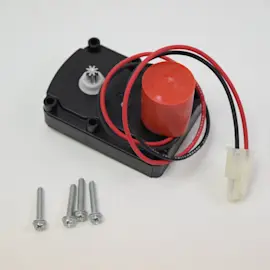
- Kenmore elite water softener valve motor 7281291 (drives the valve through regeneration positions)
- Kenmore water softener seal kit 7129716 (seals inside the valve to prevent internal bypass/leaks)
- Water softener brine well 7214375 (supports the float assembly in the salt tank)
- Water softener electronic control board - water treatment system part 7327827 (controls timing, display, and regeneration logic)
Quick “what does what” table
| Component | What it does | Common symptom when it fails |
|---|---|---|
| Nozzle/venturi | Draws brine into the valve | Not using salt, no soft water |
| Valve motor | Moves valve through cycles | Stuck in regen, error codes |
| Seal kit | Keeps water routed correctly | Hard water bleed-through, leaks |
| Brine well/float | Prevents salt tank overflow | Overflowing brine tank |
Why it matters
Knowing the major parts helps you diagnose whether the issue is water flow control (valve, seals, motor), brine making/draw (brine tank, brine well, venturi), or softening media (resin tank/resin). That saves time and helps you choose the right repair path.
Last updated: January 2026
What is the life expectancy of a Kenmore water softener?
A Kenmore water softener like model 625383500 typically lasts 8 to 15 years (about 10 years for many homes). Lifespan depends most on water hardness, iron/sediment levels, and how consistently the unit regenerates and is maintained per the 625383500 installation guide.
What usually wears out first
Most “softener is old” complaints are caused by a few serviceable components rather than the tank itself.
- Resin bed loses capacity or breaks down (hard water returns; sometimes resin beads show up at faucets)
- Valve seals/rotor wear and cause leaking, poor regeneration, or salty water
- Drive motor or position sensing issues stop the valve from cycling correctly
- Electronics fail (no display, wrong time, missed regenerations)
If you’re seeing resin-related symptoms, the compatible replacement is water softener resin 0502272.
Signs it’s near end of life (or needs a repair)
- Hard water spots return soon after a regeneration
- Soap stops lathering well; skin and hair feel “grabby”
- Unit uses salt but water stays hard (or it stops using salt)
- Frequent error codes or the display goes blank
- Low flow through the softener or repeated leaking at the valve area
Quick maintenance that helps you reach the high end of the range
These steps matter on model 625383500 because correct regeneration and clean brine draw are what protect the resin bed.
| Maintenance item | Good routine | What it prevents |
|---|---|---|
| Use pellet/nugget salt | Keep tank from running empty | Missed regenerations, hard water return |
| Clean brine tank | Every 2 to 3 years | Salt bridging, sludge buildup |
| Sanitize softener | As needed (especially after service) | Odor, bacterial growth |
| Verify hardness setting | After moving or water changes | Under-softening, excess salt use |
Why it matters
A softener that’s past its effective life can waste salt and water while still letting hardness through, which can shorten the life of water heaters, faucets, and appliances.
Last updated: January 2026