Installation guide
 Owner’s manual


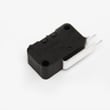
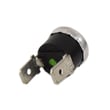
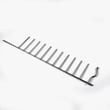
What are the commonly replaced parts in a dishwasher?
In a KitchenAid KUDE40FXPA4 undercounter dishwasher, the most commonly replaced parts are the ones that move water, heat water, seal the door, and support the racks. When you see leaking, poor cleaning, or draining problems, these parts are the first places we check.
These are frequent wear items across many KitchenAid dishwashers, including KUDE40FXPA4:
- Drain and circulation components: clogs, worn impellers, or motor wear can cause standing water or poor wash action
- Water fill components: a weak valve can cause slow fill, no fill, or fill errors
- Heating components: poor drying, cool water, or long cycles can point to heater issues
- Spray system parts: clogged or cracked spray arms reduce cleaning performance
- Door sealing and balance parts: leaks or a door that drops or won’t stay positioned often trace back here
- Rack hardware: wheels, adjusters, and stops break from daily loading and impact
Here are model-matched examples from this KUDE40FXPA4 parts list.
| Symptom | Common part to check | Example part for this model |
|---|---|---|
| Won’t drain, water left in tub | Drain pump, drain hose | Dishwasher drain pump WPW10348269, dishwasher drain hose 8269144A |
| Not filling or fills slowly | Water inlet valve | Dishwasher water inlet valve W11175771 |
| Poor drying, water not heating | Heater | Dishwasher heater W10703867 |
| Dishes still dirty | Spray arm, filter | Dishwasher spray arm WPW10491331, dishwasher filter W10872845 |
| Upper rack won’t roll or stay on track | Wheels, rail stops, adjusters | Whirlpool dishwasher dishrack wheel W10195416V, dishwasher dishrack slide rail stop, upper WPW10195622, dishrack adjuster kit W10712394 |
These steps often pinpoint the real failure and prevent replacing the wrong component:
- Clean the filter and check for broken glass or labels blocking the sump area
- Inspect spray arm holes for mineral buildup; rinse and clear debris
- Confirm the sink drain and garbage disposer inlet are not restricting the dishwasher drain path
- Look for kinks or pinches in the drain hose and water line (common after moving the unit)
- If the door drops or won’t stay open, check door balance hardware and spring tension guidance in the installation guide
Dishwashers usually fail in predictable ways: water movement (pump, spray arm, filter), water entry (inlet valve), heat (heater), and sealing (door seal). Starting with these high-failure parts speeds up troubleshooting and gets your KUDE40FXPA4 back to normal cleaning and drying.
Last updated: February 2026
What is the most common problem with KitchenAid dishwashers?
The most common issues we see on KitchenAid dishwashers like model KUDE40FXPA4 are poor cleaning (food left on dishes) and draining problems (water left in the tub). These are usually caused by a dirty filter, clogged spray arm holes, or a restriction in the drain path.
- Dishes still dirty or gritty: filter needs cleaning; spray arm holes clogged
- Standing water after the cycle: drain hose restriction, drain pump issue, or sink/disposer connection blockage
- Cloudy glassware: detergent or rinse aid setup, hard water, or low wash temperature
- Leaks at the bottom/front: door seal wear, loading issues, or door not latching squarely
- Long cycles: normal on many newer designs; cycles often run 2 to 3 hours to save energy and improve cleaning
Use these steps before replacing anything; they solve a large share of “not cleaning” and “not draining” complaints.
- Clean the filter and remove debris from the sump area
- Spin the spray arms by hand; clear any blocked jets with a toothpick
- Confirm the water supply valve is fully open
- Verify the door closes tightly and latches
- Check the drain hose routing for kinks and make sure it has a proper high loop
- Run the shortest cycle and confirm water enters the tub within the first couple minutes (a basic operational check described in the KUDE40FXPA4 installation guide)
If the quick checks do not help, these are frequent repair paths for the symptoms above.
| Symptom | Common cause | Example part for this model |
|---|---|---|
| Standing water | Weak/failed drain pump or blockage | Dishwasher drain pump WPW10348269 |
| Poor cleaning | Spray arm not circulating well | Dishwasher spray arm WPW10491331 |
| Leaking at door | Worn lower door seal | Seal WPW10497235 |
Cleaning and draining problems usually get worse over time. A restricted filter, spray arm, or drain path can lead to odors, redeposited soil, and repeated cycle failures, even when the dishwasher fills and runs.
Last updated: February 2026
What's the average lifespan of a KitchenAid dishwasher?
A KitchenAid undercounter dishwasher like model KUDE40FXPA4 typically lasts 10 to 14 years. Consistent maintenance (especially filter cleaning), good water quality, and fixing small problems early are what most often determine whether you land closer to 10 years or closer to 14.
- Filter and sump cleanliness: keeping food debris out of the wash system reduces strain on the pump.
- Water quality: hard water speeds up mineral buildup and can reduce heating and wash performance.
- Detergent and rinse aid use: proper dosing helps prevent residue and improves drying.
- Door sealing and alignment: a good seal prevents leaks that can damage components.
- How often you run it: heavy daily use wears moving parts faster.
Use these habits as your baseline for KUDE40FXPA4:
- Clean the filter area regularly and remove visible debris.
- Use rinse aid for better drying and to help control hard-water deposits (noted in the installation documentation).
- Run hot water at the sink before starting a cycle if your kitchen plumbing runs cold.
- Avoid overloading; keep spray paths clear so the spray arm can rotate freely.
- Address draining issues quickly (standing water is hard on the drain system).
| Category | Examples | What you usually notice |
|---|---|---|
| Wear and tear | Rack wheels, rack adjusters, door links | Racks sag, roll poorly, door feels heavy |
| Performance related | Filter, spray arm, inlet valve | Poor cleaning, low fill, debris left behind |
| Major components | Pump and motor, electronic control, heater | No wash action, no heat, won’t start |
A dishwasher that is maintained tends to wash and dry better, run more reliably, and avoid the kind of leaks or drain problems that shorten service life. The installation guide also notes that modern, energy-efficient dishwashers often run 2 to 3 hours per load, which is normal and not a sign of failure.
For model-specific care and operating tips, follow the KUDE40FXPA4 installation guide and your use and care instructions.
Last updated: February 2026