Error Codes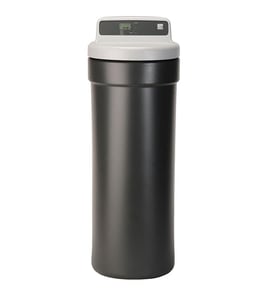



What is the life expectancy of a GE water softener?
A GE water softener like model GNSF23Z01 typically lasts 10 to 15 years. Lifespan depends most on water hardness, iron/sediment levels, salt quality, and whether the unit can regenerate and brine correctly without leaks or valve wear.
What affects lifespan the most
- Water hardness and usage: harder water and higher gallons per day increase regeneration cycles.
- Iron, sediment, and debris: can foul resin and wear the valve body and seals.
- Salt bridging or mush: can prevent proper brine draw and shorten resin life.
- Leaks at seals/O-rings: reduce performance and can damage internal components.
- Power interruptions or control issues: can stop regeneration and cause hard water symptoms.
Typical lifespan by component (what usually fails first)
| Component | Typical service life | Common symptom |
|---|---|---|
| Resin media | 10 to 15 years | Softening drops off even after regeneration |
| Seals/O-rings | 5 to 10 years | Internal bypassing, leaks, hard water returns |
| Valve and moving parts | 8 to 15 years | Stuck in cycle, noisy operation, poor brine draw |
| Brine system parts | 8 to 15 years | Salt not used, tank overfills, no brine draw |
Maintenance that helps you reach (or beat) 15 years
- Keep the brine tank at least 1/3 full with clean salt; break up bridges.
- If you have sediment, use a prefilter upstream to protect the valve and resin.
- Clean the brine tank periodically and remove salt mush.
- Watch for slow leaks and replace sealing parts early (for example, the water softener o-ring kit WS35X10001).
- If softening suddenly drops, inspect the brine tubing and connections (the tubing assembly 7113016 is a common wear item).
Why it matters
A softener that is near end-of-life often still runs, but it wastes salt and water while letting hardness through. Catching seal, valve, or brine issues early usually restores performance and delays major repairs.
Last updated: January 2026
How long does a 40 lb bag of water softener salt last?
A 40 lb bag of water softener salt typically lasts about 3 to 8 weeks in a GE water softener like model GNSF23Z01, depending on your water hardness, household water use, and how efficiently the unit regenerates.
What changes how fast you use salt
Salt use is driven by how often the softener regenerates and how much brine it draws each cycle.
- Water hardness (grains per gallon): harder water uses more salt
- Household size and water use: more showers, laundry, and dishwashing uses more salt
- Regeneration settings: higher capacity settings can increase salt per regeneration
- Iron in the water: iron removal typically increases regeneration demand
- Salt bridging or mushing: can make it look like you are using less salt while performance drops
Quick “rule of thumb” estimates
Use these ranges to set expectations, then confirm by tracking your salt level weekly.
| Household size | Typical hardness | 40 lb bag often lasts |
|---|---|---|
| 1 to 2 people | moderate | 6 to 8 weeks |
| 3 to 4 people | moderate to hard | 4 to 6 weeks |
| 5+ people | hard to very hard | 3 to 5 weeks |
How we recommend you check real-world usage
A simple tracking routine gives you the most accurate answer for your home.
- Fill the brine tank to a consistent level (not to the very top)
- Mark the salt level with a piece of tape on the tank wall
- Check the level weekly and note the drop
- Break up any crusting with a broom handle (do not strike parts)
- If salt level barely changes but water feels hard, inspect for bridging and consider checking the brine system
When salt use points to a problem
If you are refilling far more often than expected, the softener may be over-regenerating or not sealing correctly. If you see leaks or poor softening, common service areas include the valve and seals such as the water softener o-ring kit WS35X10001.
Why it matters
Running low on salt (or having a salt bridge) can lead to hard water symptoms like spotting, scale buildup, and reduced appliance efficiency. Keeping a steady salt level helps the GNSF23Z01 regenerate consistently and protect plumbing and water-using appliances.
Last updated: January 2026
How often does a water softener need to be serviced?
A GE water softener like model GNSF23Z01 should be checked routinely and serviced as needed; most homes do best with a quick monthly salt and performance check, plus a deeper inspection about once a year. Service frequency increases with very hard water, high water use, or iron/sediment.
Recommended service schedule (typical)
- Monthly: Check salt level, break up salt bridging, and confirm the unit is regenerating.
- Every 3 to 6 months: Clean the brine tank if you see sludge, salt mush, or heavy debris.
- Annually: Inspect for leaks, verify bypass operation, and check key seals and screens.
- Every 5 to 10 years: Plan for resin replacement if softening performance drops and settings are correct.
What to check during routine service
- Salt level stays above the water line in the salt tank
- No salt bridge (hard crust) or salt mush at the bottom
- No standing water overflow signs around the brine area
- Soft water at fixtures (soap lathers easily, less spotting)
- No constant drain flow (a sign the valve is not sealing)
- No drips at fittings, valve body, or tank connections
Common parts involved when service turns into a repair
If routine checks point to a mechanical issue, these parts are commonly involved on water softeners:
| Symptom | Likely area to inspect | Example part for GNSF23Z01 |
|---|---|---|
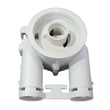
| Constant running water to drain | Valve not sealing, worn seals | Valve body 7082053 |
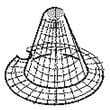
| Poor softening even after regen | Flow restriction, internal screen clogged | Cone screen 7095030 |
| Leaks at valve connections | Worn O-rings | Water softener o-ring kit WS35X10001 |
Why it matters
Regular service keeps hardness from creeping back into your water, reduces salt waste, and helps prevent valve wear that can lead to leaks or continuous drain flow.
Last updated: January 2026
What happens if you oversize a water softener?
Oversizing a water softener usually does not damage a GE GNSF23Z01; it mainly changes how it runs. The most common downside is water sitting longer in the resin bed, which can reduce water freshness and efficiency if the unit regenerates too infrequently for your household’s actual water use.
What “oversized” means in real life
A softener is oversized when its grain capacity is much higher than your home needs, based on:
- Water hardness (grains per gallon)
- Number of people and daily water use
- Iron or manganese in the water (if present)
- Desired regeneration frequency
When capacity is too high, the softener may go a long time between regenerations.
Common effects of an oversized softener
- Less frequent regeneration, which can mean stale water in the resin tank and plumbing if water use is low
- Potential resin fouling over time (more likely with iron, sediment, or low turnover)
- Salt use may not drop as much as expected if settings are not optimized
- Higher upfront cost and larger footprint, with little real benefit
- Hardness “breakthrough” can still happen if programming is wrong, even with a big tank
What we recommend for GE GNSF23Z01 owners
If you suspect your system is oversized, the fix is usually settings and maintenance, not replacing the whole unit.
- Confirm your hardness setting matches your test result
- Use a regeneration schedule that keeps water moving through the resin regularly
- Keep the brine tank clean and use quality salt
- Check for leaks or constant water flow that can confuse demand-based operation
- If you see brine or water level issues, inspect the brine system components
Parts that often matter when performance is “off”
If you’re troubleshooting poor softening, frequent regenerations, or brine issues, these model-matched parts are common checkpoints:
| Symptom | Common area to inspect | Example model-matched part |
|---|---|---|
| Soft water comes and goes | Valve sealing/flow control | Valve body 7082053 |
| Unit seems to “lose track” of cycle position | Rotor position sensing | Switch 7030713 |
| Brine draw or flow seems restricted | Screens and flow path | Cone screen 7095030 |
Why it matters
A properly sized and properly set softener protects plumbing, water heaters, and fixtures from scale while keeping salt and water use reasonable. Oversizing mainly risks low turnover, which is solved by dialing in regeneration and keeping the resin and brine system healthy.
Last updated: January 2026