Owner’s manual


What is the average lifespan of a Whirlpool dishwasher?
A Whirlpool dishwasher like model WDF330PAHB4 typically lasts 10 to 12 years with normal household use. Lifespan is most affected by water quality, how often you run cycles, and routine care such as cleaning the filter and keeping spray arms clear (see the WDF330PAHB4 owner's manual).
What most affects lifespan
- Hard water and mineral buildup (can shorten life if not managed)
- Heavy daily use (more cycles equals more wear on pumps, seals, and heater)
- Filter and drain care (clogs strain the drain pump and circulation system)
- Detergent and rinse aid habits (helps prevent residue and improves drying)
- Leaks or standing water (can damage components and wiring over time)
Maintenance that helps you reach the 10 to 12 year range
The WDF330PAHB4 manual includes specific care steps like monthly cleaning and filter-cleaning intervals. We recommend these habits:
- Clean the filter regularly; more often if you run many loads per week
- Run a monthly cleaning cycle (dishwasher cleaner or occasional vinegar rinse as directed)
- Check and clear spray arm holes if wash quality drops
- Use quality detergent packs and rinse aid for better drying and less residue
- Keep the door seal area wiped clean to prevent leaks and odors
Common “wear” parts vs. “end of life” signs
| What you notice | Often means | Typical next step |
|---|---|---|
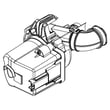
| Poor draining, water left in tub | Drain restriction or failing pump | Inspect drain path; consider dishwasher drain pump W10876537 |
| Dishes not cleaning well | Clogged filter, spray issue, low water fill | Clean filter; inspect spray arms |
| Long cycles are normal | Modern energy-saving design | No repair needed unless performance is poor |
| Frequent leaks or electrical issues | Multiple systems aging | Service evaluation may be best |
Why it matters
Knowing the typical lifespan helps you decide when maintenance is worth doing versus when repeated repairs may not be cost-effective. Simple care (filter cleaning, residue control, and leak prevention) is the easiest way to protect the pump, heater, and seals.
Last updated: January 2026
What is the most common problem with Whirlpool dishwashers?
For Whirlpool dishwashers like model WDF330PAHB4, the most common problems we see are not draining (standing water) and not cleaning well. On this model, those symptoms are often tied to routine maintenance items (filters and spray paths) or a restriction in the drain system.
Most common issues (and what they usually point to)
- Standing water after a cycle: clogged filter area, blocked drain hose/air gap/disposer inlet, or a weak drain pump
- Food left on dishes: clogged spray arm holes, low water fill, or circulation problem
- Won’t start or stops mid-cycle: door not latching, control issue, or a reset needed
- Poor drying: rinse aid empty, heater not heating, or cycle option selection
- Unusual noise: debris in sump area, worn pump, or spray arm striking dishes
Quick checks we recommend first (WDF330PAHB4)
Start with the maintenance steps in the WDF330PAHB4 owner’s manual. Then:
- Remove and rinse the filter components; clean off grease and trapped debris
- Spin the spray arms by hand; clear blocked jet holes
- Check the sink/disposer connection for a clog (including the disposer knockout plug if newly installed)
- Verify the drain hose is routed in a high loop under the counter and is not kinked
- Run hot water at the sink before starting a cycle to improve wash performance
Parts that commonly solve these symptoms on WDF330PAHB4
If cleaning and hose checks do not fix it, these model-compatible parts are often involved:
| Symptom | Common part to inspect | Example model-compatible part |
|---|---|---|
| Won’t drain | Drain pump | Dishwasher drain pump W10876537 |
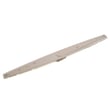
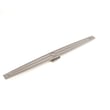
| Not cleaning well | Spray arm | Dishwasher spray arm WPW10498900 |
| Not cleaning well (recurring) | Filter cup | Filter cup a W10872845 |
Why it matters
Drain and wash-performance problems usually get worse over time. Keeping the filter area and spray arms clean helps prevent odors, protects the pump and motor, and keeps cycle times and energy use closer to normal.
Last updated: January 2026
How to clear E4 error on Whirlpool dishwasher?
On the Whirlpool WDF330PAHB4 dishwasher, an “E4” code is not one we can confirm from the model’s owner’s documentation; different Whirlpool control platforms use different code formats. To clear the condition that typically triggers an alarm (water in the base, overfill protection, or heavy suds), we stop the cycle, remove water or suds, then restart and test.
Safe steps to clear the condition
Use the safety and operating guidance in the WDF330PAHB4 owner's manual before servicing.
- Press Cancel/Drain (if the keypad responds) and let the unit pump out.
- Turn off power at the breaker for 1 minute, then restore power.
- Open the door and check for excessive suds or standing water.
- If there are suds, scoop them out and run a rinse cycle with no detergent.
- Run a short cycle and watch the first 5 to 10 minutes for proper fill and any leaks.
What to check if the code returns
These checks address the most common causes of “overfill/leak protection” behavior on many Whirlpool dishwashers.
- Excess suds from hand soap, non-dishwasher detergent, or too much detergent
- Leak at connections (fill line, drain hose, sump area) or door sealing surfaces
- Drain restriction that leaves water behind
- Inlet valve not closing (dishwasher keeps filling)
Parts to inspect on WDF330PAHB4 (when symptoms match)
If you see the related symptom, these are model-listed parts that can be involved.
| Symptom you see | What it often indicates | Model-listed part to inspect |
|---|---|---|
| Dishwasher keeps filling or overfills | Inlet valve not shutting fully | Valve-water W11175771 |
| Water remains in tub after Cancel/Drain | Drain pump not moving water | Dishwasher drain pump W10876537 |
Why it matters
When the dishwasher senses an overfill or leak condition, it may stop mid-cycle to prevent water damage. Clearing the display without correcting the cause usually means the problem returns and wash performance can suffer.
Helpful reference
For Whirlpool code formats and what they typically mean across platforms, use Whirlpool dishwasher error codes.
Last updated: January 2026