Owner’s manual
 Error Codes



How to tell if a Kenmore refrigerator compressor is bad?
On a Kenmore refrigerator model 79579993511, a bad compressor usually shows up as poor cooling with the unit running a lot, unusual buzzing or clicking, and the compressor area getting very hot. Confirm the basics first, then use the diagnostic steps in the 79579993511 owner’s manual.
Quick checks before blaming the compressor
- Verify the temperature settings were not changed accidentally.
- Make sure the condenser area is not packed with dust and lint.
- Listen for repeated clicking (start attempt) followed by the compressor stopping.
- Check for warm air at the front or rear base; no airflow can mimic compressor trouble.
- Confirm the doors seal tightly; air leaks can cause nonstop running.
What “bad compressor” symptoms look like
| What you notice | What it often means | What to check next |
|---|---|---|
| Fridge and freezer both warm, compressor runs often | Sealed system or compressor issue | Look for frost pattern problems, call for sealed-system service |
| Loud humming, buzzing, or repeated clicking | Start device/overload issue or compressor struggling | Inspect start components, verify power supply |
| Compressor is extremely hot and cooling is weak | Compressor overworking or failing | Clean condenser, verify fans run, then diagnose further |
| Breaker trips when it tries to start | Electrical short or locked rotor | Stop using and have it tested |
Parts that can be confused with a bad compressor
A compressor is expensive, so we rule out common look-alikes first:
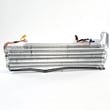
- Dirty condenser coil: reduces heat removal and causes long run times (see refrigerator condenser coil ACG73645004).
- Defrost/temperature sensing issues: can cause poor cooling or odd cycling.
- Fan problems: weak airflow can make temperatures climb even if the compressor is OK.
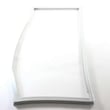
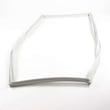
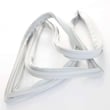
- Door gasket leaks: warm air infiltration forces nonstop running.
Why it matters
Replacing a compressor is a sealed-system repair; misdiagnosing it can waste time and money. Checking airflow, cleanliness, and basic cooling symptoms first helps you decide whether you need a part replacement or professional sealed-system service.
Last updated: January 2026
Why is my refrigerator not getting cold at the bottom?
If your Kenmore refrigerator model 79579993511 is warm at the bottom, the most common causes are restricted airflow or a cooling system that is running but cannot move cold air effectively. Start with simple checks like door sealing, control settings, and allowing time after a defrost cycle; then move to cleaning and fan checks using the 79579993511 owner's manual.
Quick checks that fix many “warm bottom” complaints
- Make sure the doors close fully and stay closed; a poor seal lets warm, humid air in.
- Reduce long or frequent door openings; warm air raises compartment temperature.
- If you recently adjusted settings, change the temperature one increment at a time and wait for it to stabilize.
- After an automatic defrost cycle, wait about 30 minutes to confirm temperatures return to normal.
- Avoid loading hot food; let it cool to room temperature first.
Airflow and “cold air not reaching the bottom”
Bottom areas can warm up when vents are blocked or circulation is weak.
- Check that food packages are not blocking air vents.
- Reorganize items so air can move from the evaporator area through the refrigerator section.
- If you hear unusual fan noise or no fan sound, the evaporator fan area may need attention.
Dirty condenser coils (common cause)
Dust and pet hair on the condenser area can reduce cooling performance and make temperatures uneven.
| What you notice | What to do | What it affects |
|---|---|---|
| Fridge runs a lot, bottom is warm | Clean the condenser area | Overall cooling capacity |
| Warm spots, slow recovery after door opens | Improve airflow and clean coils | Temperature stability |
If the condenser coil is damaged or heavily corroded, replacement may be needed; match parts to your model, such as the refrigerator condenser coil ACG73645004.
Why it matters
When warm air enters often (door openings or a poor seal) or heat cannot be rejected at the condenser, the refrigerator may cool unevenly. The bottom section is often the first place you notice weak circulation or reduced cooling capacity.
Last updated: January 2026
Why is my Kenmore refrigerator leaking underneath?
On Kenmore refrigerator model 79579993511, leaking underneath is most often caused by a defrost drain that’s clogged or frozen, or a drain pan that’s out of position, cracked, or overflowing. Clearing the drain and confirming the pan is seated correctly usually stops the leak; see the 79579993511 owner's manual.
Quick checks we recommend first
- Unplug the refrigerator before working near wiring, fans, or the compressor area.
- Look for water source clues: clear water (defrost/condensation) vs. water near the dispenser line (water supply issue).
- Check whether the leak happens after a defrost cycle (points to the defrost drain).
- Inspect the drain pan underneath for cracks, warping, or misalignment.
- Make sure the refrigerator is level front to back so water flows to the drain properly.
Most common causes and what to do
1) Clogged or frozen defrost drain
When the defrost drain backs up, meltwater can spill into the cabinet and run down to the floor.
- Remove items from the rear of the fresh food section.
- Locate the drain opening and flush with warm water.
- Clear debris with a pipe cleaner (do not puncture plastic).
- If it refreezes, check door sealing and airflow (see table below).
2) Drain pan issues
The drain pan collects defrost water; if it’s damaged or not seated, water can end up underneath.
- Slide the unit out carefully.
- Confirm the pan is centered and fully supported.
- Replace the pan if it’s cracked (common after moving the refrigerator).
Symptom-to-cause guide
| What you notice | Most likely cause | Best next step |
|---|---|---|
| Water appears every few days | Defrost drain clog | Flush and clear the drain |
| Water only after moving fridge | Drain pan shifted/cracked | Re-seat pan; inspect for cracks |
| Water near front, intermittent | Door not sealing well | Inspect gasket and door alignment |
| Ice buildup on freezer floor | Frozen drain | Thaw and clear drain; improve sealing |
Why it matters
Leaks underneath can lead to slippery floors and can also indicate airflow or defrost drainage problems that may cause frost buildup and warmer temperatures over time.
Helpful DIY reading
For prevention steps that reduce repeat leaks, use how to get rid of refrigerator puddles.
Last updated: January 2026