Owner’s manual
 View engine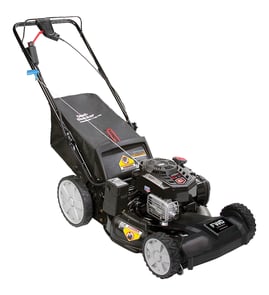



How to find Craftsman model number?
On a Craftsman walk-behind mower like model 917377390, the model number is typically printed on the mower’s identification label on the mower deck. For this model, start by checking the rear area of the deck near the handle mounting points, then confirm the number against the 917377390 owner's manual.
Where to look on the mower
Check these common label locations first (clean the area if needed):
- Back of the mower deck, between or near the lower handle mounts
- Rear of the deck near the discharge opening or rear door area
- Top of the deck near the engine mounting area
- Side of the deck near a wheel height adjuster bracket
- Under the grass bag flap or rear cover (if equipped)
What the label usually shows
Most Craftsman mower ID labels include both a model number and a serial number.
| What you need | Example format | Why it matters |
|---|---|---|
| Model number | 917.377390 (may appear with a dot) | Ensures you get the correct parts diagrams and parts |
| Serial number | Varies by production run | Helps match the correct version when parts changed |
Tips to read the model number correctly
- Write it down exactly as printed (including dots or dashes if shown)
- If the label is worn, wipe it with a damp cloth and mild soap, then dry it
- Take a clear photo and zoom in to confirm each digit
- If you see an engine model number (often on the engine shroud), use it only for engine-specific parts, not the mower deck parts
Why it matters
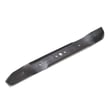
Using the correct model number prevents ordering the wrong blade, drive belt, or control cable. For example, once you confirm the model, you can match wear items like the lawn mower blade 532406713 to the correct deck and mounting style.
Last updated: January 2026
Should I use 87 or 91 gas for lawn mower?
For the Craftsman 917377390 gas walk-behind mower, we recommend using fresh regular unleaded gasoline (87 octane). Higher octane (like 91) does not add power or protection in a mower engine; it mainly resists knock, which most walk-behind mower engines do not require.
What to use (and what to avoid)
- Use fresh 87 octane unleaded gasoline.
- Avoid old gas (more than about 30 days without stabilizer).
- Avoid mixing oil into the gas (this is a 4-cycle mower; oil goes in the crankcase).
- Avoid spilling fuel on a hot engine; let the engine cool before refueling.
- Use a fuel stabilizer if the mower will sit for weeks.
Quick comparison
| Fuel choice | OK to use? | What you gain |
|---|---|---|
| 87 octane (regular) | Yes | Correct fuel for normal mowing |
| 91 octane (premium) | Yes (not needed) | No performance benefit in typical mower use |
| Old/stale gas | No | Hard starting, rough running, carburetor issues |
Best practices for fewer starting and running problems
- Fill the tank outdoors with the engine off and cooled down.
- If you store fuel, keep it in an approved gas can and use stabilizer.
- If the mower has been sitting, drain old fuel and refill with fresh gas before troubleshooting.
- Follow the fuel handling and safety steps in the 917377390 owner’s manual.
Why it matters
Using the right fuel (fresh regular gas) helps prevent hard-start conditions, surging, and carburetor varnish, and it supports consistent blade speed for cleaner cutting.
Last updated: January 2026
What is the average lifespan of 917377390?
A Craftsman rotary walk-behind mower like model 917377390 typically lasts 8 to 12 years with normal residential use and routine maintenance (oil changes, clean air filter, sharp blade, and proper storage). Following the maintenance schedule in the 917377390 owner's manual helps you reach the full service life.
What affects lifespan the most
These items have the biggest impact on how long your mower lasts:
- Engine care: correct oil type/level, regular oil changes, clean cooling fins
- Blade condition: a bent or dull blade increases vibration and stresses the crankshaft
- Drive system wear (self-propelled models): belt, pulleys, gears, and cables
- Deck corrosion: wet grass buildup and storage in damp areas shortens deck life
- Fuel habits: old fuel and dirty carburetor passages cause hard starting and poor running
Maintenance checklist (high impact)
Use this as a practical baseline for most gas walk-behind mowers:
- Change engine oil at the recommended interval
- Keep the underside of the deck clean and dry after mowing
- Sharpen or replace the blade when cut quality drops
- Inspect the drive system for slipping or loss of pull
- Stabilize fuel for storage and run the engine dry when appropriate
Parts that commonly determine “end of life”
When these wear items are replaced on time, the mower usually stays reliable longer:
| Wear item | Common symptom | Example part for 917377390 |
|---|---|---|
| Blade | Ragged cut, vibration | Lawn mower blade 532406713 |
| Blade adapter | Blade won’t stay tight, wobble | Lawn mower blade adapter 581547901 |
| Drive belt | Self-propel slips or won’t drive | Belt 532157769 |
| Zone control cable | Engine won’t keep running when handle is held | Husqvarna lawn mower zone control cable 532424983 |
Why it matters
A mower that is maintained and repaired early costs less over time, cuts cleaner, and avoids secondary damage (especially from vibration caused by a damaged blade or adapter).
Last updated: March 2026