Installation guide
 Error Codes


What is the most common problem with a Maytag washer?
For a Maytag commercial stacked washer/dryer like model MLE20PDAYW0, the most common washer-side complaint we see is drain and spin trouble (won’t drain fully, won’t reach full spin, or leaves clothes too wet). In most cases, the root cause is a restriction in the drain path or a failing drain pump.
What to check first (fast, high-impact)
- Confirm the unit has power and the breaker is not tripped.
- Make sure the load is not severely unbalanced (one heavy item can stop or limit spin).
- Inspect the drain hose for kinks, crushing, or an overly high standpipe.
- Check for slow draining symptoms: standing water, gurgling, or repeated attempts to drain.
- If the washer drains but spins poorly, listen for unusual motor strain or repeated start-stop behavior.
Likely causes and what they look like
| Symptom | Most likely cause | What you typically notice |
|---|---|---|
| Won’t drain or drains slowly | Clog in hose, pump inlet, or drain path | Water left in tub, long cycle times |
| Drains but clothes are very wet | Drain restriction or spin interruption | Partial spin, load redistribution attempts |
| Intermittent drain/spin | Pump starting to fail or wiring issue | Works sometimes, then stops mid-cycle |
| No operation at all | Power supply issue | No lights, no response |
Parts that commonly solve drain-related problems
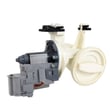
If you confirm the drain path is clear and the washer still will not drain correctly, the drain pump is a common repair item for this model.
Why it matters
Drain and spin problems are more than an inconvenience; poor draining can prevent proper spin, leave detergent residue, and increase wear on the drive system. Fixing the drain issue first usually restores normal cycle performance and reduces repeat breakdowns.
For model-specific installation and electrical requirements (including grounding guidance), follow the installation guide.
Last updated: February 2026
What's the average lifespan of a Maytag washer?
A Maytag washer typically lasts 10 to 13 years. For a commercial stacked washer/dryer like Maytag MLE20PDAYW0, consistent maintenance, correct installation, and avoiding chronic overloads are what most directly determine whether you land closer to 10 years or push beyond it; see the installation guide for setup and operating basics.
Typical lifespan: what to expect
Most washers fall into a predictable range based on build type and use.
- Home-use washers: about 10 to 13 years
- Commercial-use machines: often longer when maintained on schedule
- Heavy daily use, frequent overloading, or poor drainage/venting: shortens life fastest
- Good airflow for the dryer section and proper draining for the washer section: reduces heat and moisture stress on components
What shortens washer life the fastest
These are the most common “lifespan killers” we see on stacked laundry centers:
- Overloading or consistently washing bulky items beyond the machine’s design
- Using too much detergent (leads to residue, odors, and extra wear)
- Poor drain setup (slow draining keeps water and soil in the system longer)
- Running with unbalanced loads (extra stress on the basket, tub, and drive system)
- Ignoring early symptoms (new noises, slow drain, intermittent stopping)
Maintenance checklist that adds years
Use this as a simple routine for the washer portion of your MLE20PDAYW0.
- Keep loads balanced; mix large and small items
- Use the correct detergent amount; reduce if you have soft water
- Check hoses and connections periodically for seepage or corrosion
- Confirm the drain path is clear and correctly configured
- Address slow draining early; a struggling pump works harder and runs hotter
Quick symptom-to-part map (common wear areas)
| Symptom | What it often points to | Example part on this model page |
|---|---|---|
| Washer won’t drain or drains slowly | Drain restriction or failing pump | Washer drain pump assembly WPW10730972 |
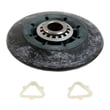
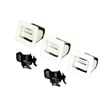
| Loud rumble/squeal during drying (often mistaken for washer noise) | Dryer drum support wear | Dryer drum support roller WPW10314173 |
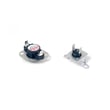
| Dryer runs hot then stops (can feel like “laundry center keeps quitting”) | Overheat protection opening | Dryer thermal cut-off fuse kit 279973 |
Why it matters
A realistic lifespan helps you decide when maintenance and targeted repairs (like a drain pump or thermal safety parts) make sense versus planning for replacement. Catching issues early also prevents secondary damage to higher-cost assemblies.
Last updated: February 2026
How do I find the model number on my MLE20PDAYW0?
On the Maytag MLE20PDAYW0 commercial stacked washer/dryer, we find the model number on the serial-rating plate in the dryer door well. Open the dryer door and look around the door opening area for the plate with the model and serial numbers.
Where to look (fast checklist)
- Open the dryer door on the upper (dryer) section
- Check the door well (the recessed area around the door opening)
- Look for a serial-rating plate or label (often metal or a durable sticker)
- Record both the model number and the serial number
- Take a clear photo of the plate for reference when ordering parts
Why we ask for both model and serial numbers
The model number identifies the product design; the serial number helps confirm the correct production details when there are running changes. Having both helps us match parts like a wire harness, electronic control, or door components correctly.
| What you need | Where it’s found | What it’s used for |
|---|---|---|
| Model number (MLE20PDAYW0) | Serial-rating plate in the dryer door well | Matching diagrams and replacement parts |
| Serial number | Same plate | Confirming the correct version of parts |
Why it matters
Using the exact model number prevents ordering the wrong Maytag laundry center parts, especially for commercial units where wiring, controls, and door hardware can vary by production run.
For additional location details and installation-related labeling notes, use the installation guide.
Last updated: March 2026