Owner’s manual
 Error Codes



What is the capacity of the WA48J7700AW?
The Samsung WA48J7700AW washer has a 4.8 cu. ft. capacity, which is considered a large-capacity top-load washer for handling bulky loads like bedding and towels. For cycle and loading guidance specific to this model, use the WA48J7700AW owner's manual.
What 4.8 cu. ft. means in everyday use
A 4.8 cu. ft. tub is designed for larger loads, but performance still depends on how you load and which cycle you choose.
- Load items loosely; don’t pack the tub tight.
- Mix large and small items to improve wash action.
- For bedding, use the Bedding cycle when available.
- Keep the load balanced to reduce vibration and out-of-balance stops.
- Use HE detergent in the correct amount to prevent oversudsing.
Quick capacity guide
| Load type | Typical fit in a 4.8 cu. ft. washer | Best practice |
|---|---|---|
| Everyday mixed laundry | Large family-size load | Leave space at the top for tumbling |
| Towels | Large towel load | Balance with a few smaller items |
| Bedding | Many comforters/blankets fit | Use Bedding cycle; avoid overstuffing |
Why it matters
Capacity affects cleaning and spin results. Overfilling can reduce agitation, trap detergent, and increase vibration; underfilling can cause poor balance with bulky items. Following the model’s loading and cycle guidance helps protect components like the suspension and drive system.
Last updated: February 2026
Is the Samsung 4.5 front load washer any good?
The Samsung WA48J7700AW is a 4.8 cu. ft. top load washer (not a 4.5 cu. ft. front load). For this model, owners typically like the large capacity and feature set; performance is best when loads are balanced, detergent is measured correctly, and the washer is installed and leveled per the WA48J7700AW owner's manual.
Quick reality check: front load vs top load
If you are shopping based on “4.5 front load” reviews, make sure you are comparing the right washer type.
| Item | What you asked about | Your model |
|---|---|---|
| Load style | Front load | Top load |
| Typical capacity label | 4.5 cu. ft. | 4.8 cu. ft. |
| Common complaint pattern | Odor, gasket care | Off-balance, vibration |
What “good” looks like on this model
We consider this washer “good” when it consistently fills, washes, drains, and spins without leaving clothes overly wet.
- Loads are added loosely and not overfilled
- Detergent and additives go in the correct compartments
- The drain hose is positioned correctly so the tub can drain and spin properly
- The washer sits level on the floor (all feet firmly planted)
- You run periodic cleaning cycles and dry the interior after use
Common issues that affect satisfaction (and what to check)
Many “not good” experiences come from setup, draining, or balance problems rather than basic wash action.
- Vibration or walking: re-level the cabinet and reduce bulky, single-item loads
- Wet clothes after spin: confirm the drain hose height/routing and that water is pumping out
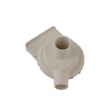
- Won’t drain or drains slowly: check for a clog and consider a failing pump; the washer drain pump assembly DC97-17366A is a common fix when the pump is noisy or weak
- Odors: reduce excess suds, run cleaning cycles, and dry the interior after the cycle
Why it matters
Comparing the right washer type and capacity prevents mismatched expectations. A properly installed, correctly loaded WA48J7700AW delivers strong everyday cleaning; most performance complaints trace back to leveling, load balance, or drainage setup.
Last updated: February 2026
What is the most common problem with Samsung washing machines?
For Samsung washers like model WA48J7700AW, the most common issues are (1) excessive vibration or shaking during spin from unbalanced loads or leveling problems and (2) drain and spin failures that leave clothes wet, often tied to a restricted drain path. Use the WA48J7700AW owner's manual to match symptoms to the right checks.
Most common symptoms we see
- Washer bangs, walks, or shakes hard during spin
- Clothes come out soaking wet (spin did not complete)
- Slow drain, standing water, or repeated drain attempts
- Loud humming or grinding during drain
- Lid/door won’t lock or cycle pauses unexpectedly
Quick checks that fix many complaints
- Load balance: Mix items, avoid washing one heavy item alone, and do not overfill.
- Leveling: Make sure all leveling feet are firmly on the floor; adjust as needed.
- Drain hose setup: Confirm the drain hose is installed correctly and not kinked or pushed too far down the standpipe.
- Reduce suds: Use HE detergent and correct dosing; excess suds can cause poor performance and odors.
- Run a cleaning cycle: Periodic cleaning helps prevent odors and buildup.
What to inspect based on the symptom
| Symptom | Most likely cause | What to check first |
|---|---|---|
| Shaking during spin | Unbalanced load, washer not level | Load size and leveling feet |
| Wet clothes after cycle | Drain restriction, spin interruption | Drain hose routing and drain performance |
| Won’t fill or fills slowly | Supply issue or inlet restriction | Hot/cold hoses, screens, water pressure |
| Odors | Detergent residue, trapped moisture | Cleaning cycle, leave lid open to dry |
Parts that commonly relate to these problems
If basic checks do not resolve a drain or spin complaint, the drain system is a frequent next step to evaluate.
- Washer drain pump assembly dc97-19289f: helps move water out during drain and before high-speed spin
- Washer leveling leg DC61-01722B: supports proper leveling to reduce vibration
Why it matters
A washer that cannot drain or stay balanced often cannot reach full spin speed, so clothes stay wet and the machine may display information codes. Correct loading, leveling, and drain setup prevents repeat failures and reduces wear on the tub and drive components.
Last updated: February 2026
What is the life expectancy of a Samsung washing machine?
Most Samsung washing machines, including the Samsung WA48J7700AW top-load washer, typically last 10 to 14 years with normal household use. Regular cleaning, correct loading, and prompt repair of drain or fill problems help you reach the full lifespan.
Typical lifespan and what affects it
A washer’s service life depends more on use and care than the brand name on the lid.
- Load size and balance: frequent overloading or consistently unbalanced loads shorten life.
- Detergent habits: too much detergent can cause excess suds and odor buildup.
- Water quality: hard water can increase mineral buildup in valves and hoses.
- Maintenance routine: periodic tub cleaning and drying the interior after cycles helps.
- Early symptom response: fixing small leaks, slow drains, or fill issues prevents bigger failures.
What usually fails first (and why it matters)
On top-load washers like the WA48J7700AW, the most common wear items are in the drain, fill, and vibration-control systems.
| Symptom | Common system involved | Why it matters |
|---|---|---|
| Won’t drain, drains slowly | Drain pump, hoses | Standing water strains the pump and can cause odors |
| Won’t fill or fills slowly | Water inlet valve, screens | Low fill can cause poor cleaning and longer cycles |
| Excessive shaking or “walking” | Leveling, suspension, vibration sensing | Vibration accelerates wear on the tub and drive components |
| Odors | Detergent residue, moisture | Odors often signal buildup that can affect performance |
Maintenance that extends life on WA48J7700AW
We recommend following the care and troubleshooting guidance in the WA48J7700AW owner’s manual.
- Run the washer’s Self Clean cycle periodically.
- Use HE detergent and measure carefully to avoid excessive suds.
- Leave the lid open after washing so the interior can dry.
- Confirm the drain hose is installed correctly and not siphoning.
- Keep the washer level; replace a damaged foot with a washer leveling leg DC61-01722B if needed.
Why it matters
A washer that is kept clean, level, and properly loaded runs with less strain on the motor, tub, drain pump, and control system; that directly translates into fewer breakdowns and a longer overall life.
Last updated: February 2026