Installation guide
 Owner’s manual
 Error Codes


What is the average lifespan of a KitchenAid dishwasher?
Most KitchenAid dishwashers, including the KitchenAid KUDS50FVSS0, typically last 9 to 12 years with normal household use and basic upkeep (cleaning, proper loading, and addressing drain or fill issues early). For model-specific care and operating guidance, follow the KUDS50FVSS0 owner's manual.
What affects dishwasher lifespan the most
- Water quality (hard water can leave mineral buildup that stresses the wash system)
- Routine cleaning of the tub, filters, and spray paths
- Drain performance (standing water and debris shorten pump life)
- Detergent and rinse aid use (helps cleaning and drying, reduces residue)
- Loading habits (overloading blocks spray arms and increases wear)
Maintenance checklist to help your KUDS50FVSS0 reach 9 to 12 years
- Run a monthly cleaning cycle and wipe door seals
- Keep spray arms clear of labels, seeds, and broken glass
- Use rinse aid consistently for better drying and less buildup
- Scrape heavy food off dishes before loading
- Fix slow draining quickly (clogs and pump strain add up)
Common “wear-out” parts and what they usually look like
| Symptom | Often related system | Example part for this model |
|---|---|---|
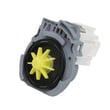
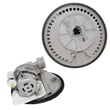
| Won’t drain, water left in tub | Drain system | Dishwasher drain pump WPW10348269 |
| Poor cleaning, weak spray | Wash/circulation system | Pump and motor, spray arm |
| Intermittent power or dead unit | Electrical protection/control | Fuse, electronic control board |
Why it matters
Knowing the typical lifespan helps you decide when maintenance makes sense versus when a major repair (like a pump motor or electronic control) may be better weighed against the age of the dishwasher.
Last updated: January 2026
Who makes KitchenAid dishwashers?
KitchenAid dishwashers (including model KUDS50FVSS0) are made by Whirlpool Corporation. KitchenAid is a Whirlpool-owned brand, so the dishwasher design, manufacturing, and service network are managed under Whirlpool’s appliance organization.
How this helps when you need parts or service
Knowing the manufacturer matters because it points you to the right style of parts, wiring, and troubleshooting steps used across Whirlpool-built dishwashers.
- Many KitchenAid dishwashers share Whirlpool-style components (controls, pumps, valves)
- Model and serial labels are typically found near the door opening inside the tub area
- The correct model number is essential when ordering parts or matching diagrams
- Installation requirements follow standard undercounter dishwasher practices
Where to confirm your exact model information
Use your documentation to match the full model number and review operating details.
| What you need | Where to look | Why it matters |
|---|---|---|
| Model number (KUDS50FVSS0) | Rating label near the door opening | Ensures correct parts fit |
| Operating features and troubleshooting | KUDS50FVSS0 owner's manual | Helps identify cycles, indicators, and common issues |
| Installation requirements | KUDS50FVSS0 installation guide | Confirms electrical, water, and drain requirements |
Why it matters
KitchenAid being a Whirlpool brand helps you troubleshoot smarter and buy parts with confidence because the platform, part families, and service procedures align with Whirlpool-built dishwasher designs.
Last updated: January 2026
What is the most common problem with a KitchenAid dishwasher?
For the KitchenAid KUDS50FVSS0 dishwasher, the most common problem we see is drainage trouble: the dishwasher finishes with water left in the tub or drains slowly. This is usually caused by a clogged filter area, a kinked/blocked drain hose, or a failing drain pump.
Quick checks we recommend first
- Press START/RESUME if the light is blinking; this model can pause during a cycle and needs a restart.
- Confirm the door is fully closed and latched.
- Check the kitchen sink drain/disposal for a backup (a sink that drains slowly often means the dishwasher will not drain well).
- Look for a kinked drain hose under the sink or behind the unit.
- Clean out the tub bottom area of debris (labels, glass, food) that can restrict flow.
What usually fixes a “won’t drain” complaint
If the hose and drain path are clear but water still remains, the drain pump is the most common repair.
Common causes and what they look like:
| Symptom | Most likely cause | What to do next |
|---|---|---|
| Standing water after cycle | Blocked drain path or weak drain pump | Clear hose/air gap; then test pump |
| Hums but doesn’t move water | Jammed pump impeller or failing pump | Inspect pump area; replace pump if needed |
| Drains sometimes, not always | Partial clog or intermittent pump | Check for debris; verify hose routing |
Parts that commonly relate to draining on this model
Why it matters
A dishwasher that cannot drain properly often cannot wash or dry properly either. Water left in the sump can redeposit soil, cause odors, and trigger cycle interruptions that look like “it won’t finish.”
Where to confirm model-specific operation steps
We follow the troubleshooting guidance and control behavior described in the KUDS50FVSS0 user manual, including START/RESUME light behavior and basic “won’t run” checks.
Last updated: January 2026