Owner’s manual

How many cc is a Poulan 2000?
The Poulan 2000 (model 2000) is a 33cc gas chainsaw. That engine size helps you match the correct fuel mix, carburetor settings, and cutting setup for a 16-inch bar and chain.
The most reliable places to verify displacement on your specific Poulan 2000 are:
- The engine or starter housing label (often lists cc)
- The operator information section in the owner's manual
- The model and serial tag on the saw body
Engine displacement affects how the saw starts, idles, and pulls the chain under load.
- Fuel mix accuracy: Small 2-cycle engines are sensitive to oil ratio
- Tuning and performance: A 33cc saw typically needs a clean fuel system and correct idle speed to keep the chain from creeping
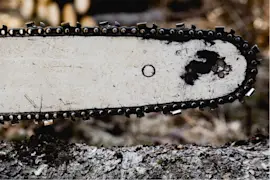
- Bar and chain match: Using the correct 16-inch bar and chain reduces bogging and overheating
| Item | Typical guidance for a 33cc 2-cycle saw | What to do |
|---|---|---|
| Fuel mix | Commonly 40:1 with the recommended 2-cycle oil | Mix fuel in a container, not in the tank |
| Starting | Needs fresh fuel and a primed carburetor | Replace cracked fuel lines and old fuel pickup parts |
| Cutting load | Best with a sharp chain and correct tension | Inspect bar wear and keep chain properly adjusted |
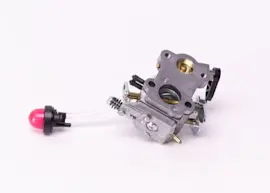
If your Poulan 2000 is hard to start, won’t stay running, or surges, these model-matched parts are common fixes:
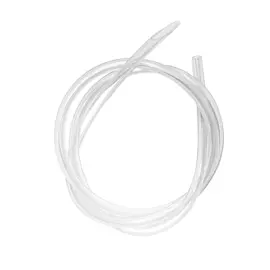
- Fuel line 530069216 (cracks or air leaks)
- Fuel pik up 530095646 (restricted fuel flow)
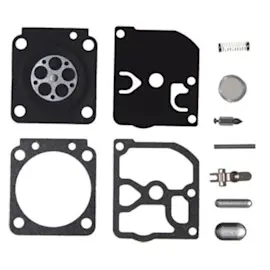
- Gasket kit 530069844 (carburetor diaphragm and gasket issues)
Knowing your Poulan 2000 is 33cc helps you avoid lean running (overheating) and rich running (plug fouling), and it makes it easier to choose the right fuel system parts and cutting components.
Last updated: February 2026
Are old chainsaws worth money?
Yes. Old chainsaws can be worth money, especially if they are desirable brands, uncommon models, or in clean, complete, running condition. Even when a vintage saw is not a high-dollar collectible, a well-maintained Poulan 2000 can still have value because parts support and safe operation practices keep it usable.
Collectors and buyers typically pay more when the saw is easy to verify, safe to run, and not missing key components.
- Condition: clean cases, intact handles, no cracked fuel tank, and good compression
- Completeness: correct bar, chain, clutch cover, and starter assembly present
- Originality: fewer non-original modifications and intact labels
- Running and cutting: starts reliably, idles, oils the bar, and accelerates without bogging
- Safety features: functional handguard and reduced-kickback setup (bar and chain)
Use these checks to decide whether you should sell as-is, repair, or part it out.
| Check | What to look for | What it usually means |
|---|---|---|
| Starts and idles | Starts cold, idles without chain moving | Higher resale value |
| Oiling | Bar gets a light oil film while running | More usable, more valuable |
| Fuel system | No cracked lines, cap seals, no air leaks | Fewer “no-start” complaints |
| Cutting setup | Bar straight, chain sharp and correct | Better buyer confidence |
On older gas saws, small fuel and starting-system fixes often make the biggest difference.
- Replace a brittle or leaking fuel line with the fuel line 530069216
- Fix loose or leaking fuel line connections with the fitting 530023877
- Refresh fuel pickup and filtration with the fuel pik up 530095646
- Replace a worn starter cord using the rope kit 530069232
- If the saw runs lean or surges, a carb diaphragm service using the gasket kit 530069844 often helps
A vintage chainsaw that runs correctly and is set up to reduce kickback is easier to demonstrate, easier to sell, and safer to operate. Our Poulan 2000 manual also emphasizes planning your cut, using proper PPE, and keeping bystanders at least 30 feet away, which helps protect both the operator and the saw’s condition over time.
For model-specific operating and safety details (fueling, chain tension, lubrication, and reduced-kickback guidance), follow the owner's manual.
Last updated: February 2026
How many years should a chainsaw last?
A gas chainsaw like the Poulan 2000 typically lasts about 10 years with normal homeowner use and consistent maintenance; with lighter use and good storage habits, it often lasts longer. The biggest lifespan drivers are clean fuel delivery, correct chain tension, and regular cleaning and lubrication (see the Poulan 2000 owner's manual).
- Homeowner, occasional use: ~10 to 15 years
- Frequent cutting (firewood, property work): ~7 to 10 years
- Heavy use or poor maintenance: ~3 to 7 years
| Usage pattern | What wears out first | What extends life most |
|---|---|---|
| Occasional | Fuel system parts dry out | Proper storage and fresh fuel |
| Regular | Chain, bar, clutch wear | Correct chain tension and lubrication |
| Heavy | Engine wear, carb issues | Air filter care and cooling fin cleaning |
The manual emphasizes routine checks and a maintenance chart; staying on top of these items prevents the most common “won’t start” and “cuts poorly” problems.
- Keep chain tension correct; too tight can stress the clutch and bar, too loose can derail.
- Keep the bar and chain lubricated; a dry bar accelerates bar and chain wear.
- Replace cracked or hardened fuel lines; a leaking line causes lean running and hard starting.
- Clean the air filter regularly to prevent poor performance and premature engine wear.
- Follow storage steps for 30+ days: drain fuel, run the engine at idle until it stops, drain bar oil, and oil the bar and chain.
These are normal wear items that can restore performance and extend the service life of your Poulan 2000:
- Fuel line 530069216 (fuel delivery issues, leaks)
- Fuel cap 530014347 (venting or sealing problems)
- Fuel pik up 530095646 (restricted fuel flow)
- Chain 91PX056G and bar 160SDEA041 (cutting performance and safety)
- Rope kit 530069232 (starter rope wear)
A chainsaw’s “life” is usually limited by preventable wear: running with stale fuel, incorrect chain tension, or poor lubrication. Keeping the fuel system clean and the cutting system maintained helps the engine, clutch, bar, and chain last significantly longer.
Last updated: February 2026