Installation guide
 Owner’s manual
 Error Codes


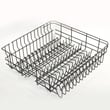
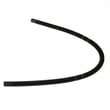
What is the most common problem with a KitchenAid dishwasher?
For the KitchenAid KUDP01FLSS3 dishwasher, the most common problems we see are poor cleaning (often from clogged spray arms or a blocked chopper area), not draining (hose or pump restrictions), and leaks (worn door seals or vent gaskets). These issues usually show up as dirty dishes, standing water, or water on the floor.
Quick symptoms and the most likely cause
- Dirty dishes after a full cycle: spray arm holes blocked, wash module/chopper area restricted
- Standing water in the bottom: drain hose kinked or clogged, drain path restricted
- Grinding or crunching noise: hard object in the wash module (noise should stop after it’s ground up)
- Water leaking at the door: door seal or gasket not sealing, door not closing squarely
- Dishes chipping: dishes not loaded securely, racks moved too fast
For model-specific operating and loading guidance, use the KUDP01FLSS3 owner’s manual.
What to check first (fast, no-parts steps)
- Confirm loading: Keep items stable so they do not strike each other; this reduces chipping and improves wash coverage.
- Inspect spray arms: Spin by hand; clear any debris from the jets.
- Check the drain path: Look for kinks and clogs in the drain hose routing.
- Listen for abnormal noise: If grinding persists after a complete cycle, service is typically needed.
- Look for leak patterns: Door-edge drips point to seals; moisture near the vent area points to vent sealing.
Common parts that solve common complaints
| Symptom | Part that often relates | Example part for KUDP01FLSS3 |
|---|---|---|
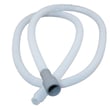
| Not draining / slow drain | Drain hose | Dishwasher drain hose 8269144A |
| Leaking at vent area | Vent gasket | Dishwasher vent gasket WP8269259 |
| Poor cleaning, debris recirculating | Chopper area restriction | Dishwasher chopper assembly W10083957V |
Why it matters
Cleaning, draining, and sealing problems can cascade: restricted wash flow leaves soil behind, soil can contribute to noise, and poor draining can leave odors and standing water. Fixing the root cause protects the pump motor, racks, and door seals.
Last updated: February 2026
How to fix rubber seal on KitchenAid dishwasher?
On the KitchenAid KUDP01FLSS3 dishwasher, fixing the rubber door seal usually means reseating the gasket evenly in its channel and correcting anything that is rubbing, pinching, or tearing it. Once the seal sits flat all the way around, the door should close smoothly and leaks typically stop.
Quick checks before you touch the seal
- Turn off power at the breaker; avoid working around live wiring.
- Open the door and inspect the gasket for twists, gaps, or hardened sections.
- Look for sharp utensils or rack parts that can nick the seal (our manual warns sharp items can damage the door seal).
- Wipe the tub lip and gasket with a damp cloth to remove detergent film and debris.
- Confirm the door closes squarely and latches without forcing.
How to reseat the rubber door seal (most common fix)
- Starting at the top center, press the gasket into the channel using your fingers.
- Work down both sides in small sections, keeping the gasket centered and untwisted.
- Make sure the “bulb” portion of the seal faces the door and sits proud of the channel evenly.
- Close and latch the door for several hours to help the gasket relax into position.
If the gasket is torn, permanently flattened, or won’t stay in the channel, replacement is the correct repair.
Parts that are commonly involved
If you’re addressing leaks at the door perimeter, these model-matched parts are typical suspects:
| Leak area | What to inspect | Model-matched part example |
|---|---|---|
| Door perimeter | Door seal condition and fit | Gasket W11196317 |
| Lower front corners | Splashing, misalignment, worn sealing surfaces | Seal W10864081 |
| Around vent area | Moisture escaping near vent | Dishwasher vent gasket WP8269259 |
Why it matters
A properly seated door gasket prevents leaks that can damage flooring and also helps the dishwasher run quietly and efficiently. Keeping sharp items from contacting the seal is especially important because even small cuts can turn into persistent drips.
Reference for your model
For diagrams, gasket placement, and safety guidance, use the KUDP01FLSS3 owner’s manual.
Last updated: February 2026
What is the life span of a KitchenAid dishwasher?
A KitchenAid dishwasher typically lasts 10 years with normal household use and routine care. For your KitchenAid KUDP01FLSS3, following the maintenance and operating guidance in the KUDP01FLSS3 owner's manual helps you get the most life from key components like the wash system, racks, and door seals.
Typical lifespan and what it means
Most dishwashers reach end-of-life due to wear in moving parts (pump/motor), leaks, or control issues, not because the tub fails.
- Typical service life: 10 years
- Common wear items over time: pump/motor, door gaskets, racks, spray arms
- Stainless tub life can exceed the rest of the machine when properly maintained
What affects lifespan the most
These habits have the biggest impact on how long a KUDP01FLSS3 runs reliably:
- Clean filters and the sump area regularly to prevent debris from stressing the pump.
- Load dishes so they do not strike each other; chipping and breakage often comes from unstable loading.
- Avoid hard objects in the wash module; persistent grinding noises after a full cycle point to a problem that needs service.
- Use the right detergent amount for your water hardness to reduce residue and pump strain.
- Fix small leaks early; a slow drip can damage wiring, the motor, and flooring.
Quick “repair or replace” guide
| What you’re seeing | Most likely issue | Usual next step |
|---|---|---|
| Loud grinding that continues after a full cycle | Debris or wear in wash system | Inspect/clean; service if it persists |
| Poor cleaning plus unusual noise | Chopper or circulation issue | Check the dishwasher chopper assembly W10083957V and spray path |
| Water on the floor near the door | Door seal or vent leak | Inspect seals; replace if torn or deformed |
| Not draining well | Drain path restriction or hose issue | Check the dishwasher drain hose 8269144A routing and clogs |
Why it matters
Knowing the typical 10-year lifespan helps you decide whether to invest in parts like a pump motor, dishrack, or gasket set, or plan for replacement if multiple major symptoms show up at once.
Last updated: February 2026