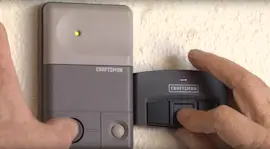
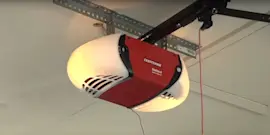
Owner’s manual
 Error Codes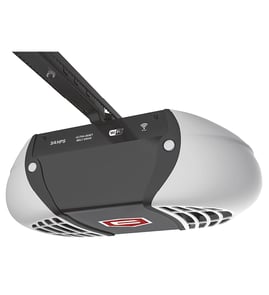
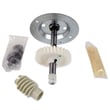


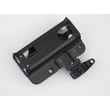

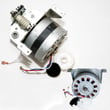
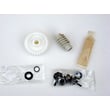
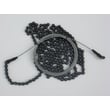

Where can I buy Craftsman garage door opener parts?
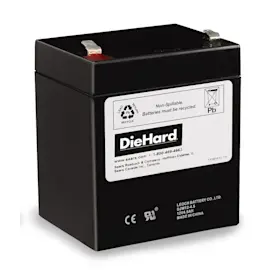
You can buy replacement parts for your Craftsman garage door opener model 13954930 through our parts listings and diagrams, then use the model number to match the exact component you need. For broader Craftsman garage door opener parts searches, use Sears PartsDirect.
Best way to find the right part for model 13954930
We recommend using the model number first, then narrowing by the symptom (remote not working, door reverses, lights blinking, etc.).
- Confirm the opener model number on the motor unit label: 13954930
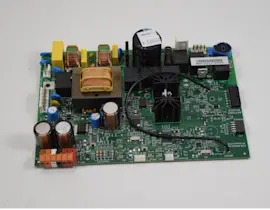
- Use the parts diagrams to identify the exact assembly (logic board, gear kit, rail, wall control)
- Compare your old part’s markings and connector style before ordering
- If the opener is acting up, check diagnostic blink patterns and error codes first
- Keep your 13954930 owner's manual handy for adjustment and safety guidance
Common parts people replace (and what they fix)
These are the most common garage door opener part categories customers look for when troubleshooting Craftsman units.
| Part category | What it typically affects | Common symptom |
|---|---|---|
| Safety sensors | Door closing safety | Door will not close, lights blink |
| Wall control | Command and lock functions | Wall button does nothing or is intermittent |
| Remote/keypad | Wireless operation | Remote range is poor or won’t program |
| Drive gear/worm gear | Motor transfers power to drive | Motor runs but door won’t move |
| Logic board | Controls and diagnostics | Random operation, no response, error codes |
Why it matters
Ordering by model number prevents mismatched electronics and hardware. Garage door opener parts like safety sensors, wall controls, and logic boards can look similar across Craftsman models but use different wiring, programming, or mounting.
Helpful troubleshooting before you order
If you are seeing blinking lights or diagnostic codes, use our code guide to pinpoint the failed circuit or sensor first.
- Check for sensor alignment and obstructions at the door opening
- Verify the wall control is not in “lock” mode
- Replace remote batteries and reprogram if needed
- Inspect the rail and trolley for binding
- Review Craftsman error codes to match the blink pattern to a likely cause
Last updated: February 2026
What are the common problems with Craftsman garage door openers?
Common problems on the Craftsman 13954930 garage door opener fall into three buckets: safety sensor issues (misalignment or blocked beam), drive system wear (chain/belt, sprocket, gears), and control problems (wall button, remote, logic board). Most show up as a door that reverses, won’t move, or lights that blink.
Most common symptoms and what they usually mean
- Door won’t close and reverses: safety sensors blocked, misaligned, or wiring loose
- Door won’t open but motor hums: stripped drive gear, jammed trolley, or a binding door
- Grinding or rattling noise: worn sprocket/gear, loose chain, or dry rail
- Remote/keypad works sometimes: weak battery, interference, or opener needs reprogramming
- Wall control dead: loose connections, damaged low-voltage wiring, or control board issue
- Opener runs but door barely moves: door is heavy/out of balance, force settings off, or travel limits incorrect
Quick checks we recommend first (safe, no parts guessing)
- Clear the photo-eye path and wipe the sensor lenses.
- Confirm sensor alignment: both sensors should be aimed at each other and mounted solidly.
- Pull the emergency release and move the door by hand; it should move smoothly and stay near mid-travel.
- Listen during operation: grinding at the motor head points to gear/sprocket wear.
- Reprogram controls if remotes/keypads are inconsistent; follow the steps in the owner's manual.
Blink codes and diagnostics
Many Craftsman openers use light flashes or diagnostic LEDs to point to the problem area (sensors, travel, force, RPM sensing, or control). Use our Craftsman error codes reference to match the blink pattern to the most likely cause and next step.
| Symptom | Most likely area | Typical fix |
|---|---|---|
| Won’t close, reverses | Safety sensors | Align/clean sensors, repair wiring |
| Loud grinding | Drive gear/sprocket | Inspect and replace worn drive components |
| Runs but door doesn’t move | Trolley/door balance | Reconnect trolley, correct door binding |
| Intermittent remote | Remote/programming | Replace battery, reprogram, reduce interference |
Why it matters
A garage door opener is designed to stop or reverse when it senses resistance or a blocked sensor beam. Fixing sensor alignment, door balance, and force/travel settings prevents nuisance reversals and reduces wear on the motor and drive system.
For replacement parts, start with the parts list for Craftsman model 13954930; you can also search by model number on Sears PartsDirect.
Last updated: February 2026
What is the life expectancy of a Craftsman garage door opener?
A Craftsman garage door opener typically lasts 10 to 15 years in normal residential use. For Craftsman model 13954930, lifespan depends most on door balance, cycle count (opens and closes per day), and basic maintenance like sensor alignment and drive system inspection; see the 13954930 owner's manual for model-specific care and adjustment details.
Typical lifespan and what changes it
Most openers fail early because the door system makes the motor work too hard, not because the motor is “worn out.” These factors have the biggest impact:
- Door balance and spring condition (a heavy door shortens opener life)
- Usage level (multiple daily cycles wear gears and electronics faster)
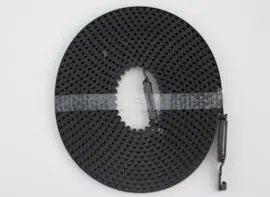
- Drive type and wear (chain/belt tension, sprocket wear, rail alignment)
- Safety sensor reliability (misalignment causes repeated reversals and extra cycles)
- Power quality (surges can damage logic boards)
Signs your opener is near end of life
If you see these repeatedly, replacement or major repair is usually next:
- Door starts moving, then stops or reverses even with a clear path
- Grinding/clicking from the motor head or rail area
- Remote range drops or operation becomes intermittent
- Lights blink and the unit reports a fault pattern (use Craftsman error codes)
- Force or travel settings need frequent readjustment
Maintenance that extends life (high impact)
We recommend these actions 2 to 4 times per year:
- Test door balance: disconnect the trolley and lift the door by hand; it should stay near mid-travel
- Clean and align safety sensors; confirm both sensor LEDs are steady
- Inspect the rail and trolley for binding, loose hardware, or bent sections
- Check chain/belt tension and listen for slapping or squealing
- Verify force and travel settings so the door seals without over-driving
Quick reference: what “normal” looks like
| Item | Normal target | What it prevents |
|---|---|---|
| Door balance | Stays in place mid-travel | Overload on motor/gears |
| Sensor alignment | Steady LEDs | Reversals and no-close issues |
| Rail movement | Smooth, no binding | Stripped gears, overheating |
| Force setting | Just enough to move door | Premature wear and safety trips |
Why it matters
A worn opener can become unreliable at the worst time, but the bigger issue is that a poorly balanced door can quickly damage a new opener too. Fixing door balance and sensor issues first protects the motor, gears, and control board.
For replacement parts and model lookups, start with the parts list for model 13954930, or search by model number on Sears PartsDirect.
Last updated: February 2026
Is it cheaper to repair or replace a garage door opener?
For your Craftsman garage door opener model 13954930, repair costs less when the problem is a single, simple issue (sensor alignment, remote programming, minor wiring). Replacement is the better value when failures repeat or when a major repair total gets close to the price of a new opener.
Quick decision guide
Repair is the better choice when:
- The door will not close because the safety sensors are misaligned or dirty.
- Remotes or keypad stopped working and reprogramming restores operation.
- The door reverses and needs force or travel limit adjustment.
- The wall control wiring is loose or damaged in one spot.
Replace is the better choice when:
- The opener runs but the trolley does not move (drive system wear).
- The unit overheats, stalls, or fails intermittently after adjustments.
- Multiple components are failing (electronics plus drive parts).
- You want newer features (Wi-Fi control, battery backup, quieter operation).
Typical cost ranges
| Scenario | Typical total cost | Best fit |
|---|---|---|
| Minor fix (adjustments, sensor alignment, programming) | $0 to $150 | Newer units with simple symptoms |
| Moderate repair (sensor or wall control, wiring repair) | $100 to $300 | One clear failed component |
| Major repair (motor, logic board, drive gear) | $250 to $500+ | Only if the opener is otherwise in great shape |
| New opener (unit plus installation) | $300 to $1,000+ | Older units, repeated failures, upgrades |
What we recommend doing first
- Clean and align the safety sensors; confirm both indicator lights are steady.
- Test the door balance by hand; a binding door can mimic opener failure.
- Replace remote batteries and reprogram controls.
- Follow the adjustment steps in the 13954930 owner's manual.
- If lights blink or you see a diagnostic pattern, match it in Craftsman error codes.
Why it matters
A garage door opener is a safety system. When repairs become frequent, you risk unreliable closing, unexpected reversing, and mid-travel stops.
If you decide to replace, compare options and parts by model number through Sears PartsDirect.
Last updated: February 2026