Error Codes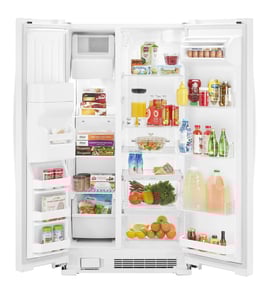


What is the most common problem with a GE refrigerator?
The most common issue we see on GE refrigerators like model GSS25SGMCBS is poor cooling (fresh food too warm, freezer not holding temperature). In many cases, the root cause is restricted airflow or a failing cooling component such as the evaporator fan motor, defrost system, or a temperature sensor.
- Make sure air vents inside both compartments are not blocked by food packages.
- Set temperatures to typical targets: 0°F freezer and 37°F fresh food.
- Clean dust from the condenser area (restricted heat release makes the compressor run longer).
- Confirm the doors seal fully; a small gap can cause constant running and warm temps.
- Listen for the evaporator fan; if it is silent when the compressor is running, airflow is likely the problem.
If basic airflow and cleaning do not help, these model-matched parts are frequent culprits:
| Symptom | Common cause | Example part for this model |
|---|---|---|
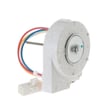
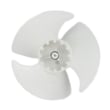
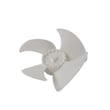
| Fridge warm, freezer cold or uneven temps | Weak/no airflow from evaporator fan | Dc evaporator motor WR60X10185 |
| Temps swing, unit runs too long | Bad sensor feedback | Refrigerator temperature sensor WR55X10025 |
| Frost buildup on back wall, warm fridge | Defrost failure | Refrigerator defrost heater WR51X10055 and refrigerator thermostat WR50X10068 |
When cooling is weak, the compressor and fans often run longer than normal. Fixing airflow restrictions or replacing a failed defrost or sensor part helps the refrigerator stabilize temperature, protect food, and reduce wear on major components.
For display messages or beeping tied to temperature or door events, use our GE refrigerator error codes reference to narrow the problem faster.
Last updated: February 2026
What is the average lifespan of a GE refrigerator?
A GE refrigerator typically lasts 12 to 16 years on average, and many run 10 to 20 years with normal use. For your GE GSS25SGMCBS side-by-side, routine care like keeping airflow clear and staying on top of filtration helps it reach the higher end of that range.
- Average: 12 to 16 years
- Common overall range: 10 to 20 years
- Often shorter when: condenser area is clogged with dust, doors do not seal well, or the ice and water system is neglected
- Often longer when: temperatures stay stable and the cooling system stays clean
| Lifespan range | What it usually looks like | What to do next |
|---|---|---|
| 0 to 7 years | Minor issues, maintenance items | Replace filters, clean, adjust temps |
| 8 to 15 years | More wear on fans, sensors, defrost parts | Diagnose noises, warm temps, icing |
| 16+ years | Higher chance of sealed-system or control issues | Compare repair cost vs. replacement |
- Replace the water filter on schedule (helps water flow and taste) using the refrigerator water filter MWFP.
- Keep the condenser area clean and unobstructed so the compressor does not overwork.
- Watch for early cooling symptoms (warm fridge, frost buildup, loud fan noise) and address them quickly.
- If you see puddles or slow dispensing, check for restricted filtration or a weak valve.
- Use stable temperature settings and avoid overpacking vents.
Refrigerators usually fail early from heat and airflow problems (overworked compressor) or moisture and icing problems (defrost and airflow). Preventive maintenance reduces run time, stabilizes temperatures, and lowers stress on key parts.
If symptoms point to a specific system, these are common wear items for the GSS25SGMCBS:
- Water flow issues: refrigerator water inlet valve assembly WR57X33326
- Defrost and icing issues: refrigerator defrost heater WR51X10055
- Temperature sensing issues: refrigerator temperature sensor WR55X10025
Last updated: February 2026
Are GE side by side refrigerators good?
Yes. GE side-by-side refrigerators like model GSS25SGMCBS are a solid choice for everyday reliability and convenience; they typically offer steady temperatures, easy access to both fresh food and frozen items, and common features like an ice and water dispenser.
A side-by-side design is often considered “good” when it delivers consistent cooling, usable storage, and low day-to-day hassle.
- Temperature stability: Even cooling helps food last longer.
- Organization: Adjustable shelves and door bins make it easier to fit groceries.
- Dispenser convenience: In-door ice and water is a big usability win.
- Serviceability: Common wear parts (filters, valves, sensors) are widely available.
- Noise expectations: Fans and the ice maker can be noticeable during normal operation.
| Feature | Side-by-side (like GSS25SGMCBS) | Common tradeoff |
|---|---|---|
| Fresh food access | Eye-level shelves | Narrower shelf width for pizza platters, trays |
| Freezer access | Easy, no bending | Freezer can feel tighter for bulky items |
| Ice and water | Often built-in | More parts to maintain (filter, valve, chute door) |
| Footprint | Works well in tighter kitchens | Less wide-open space than some French door models |
Most complaints we see come down to normal maintenance items. For this GE model, these parts are commonly involved:
- Replace the water filter on schedule using the refrigerator water filter MWFP.
- If water flow is weak or the ice maker is inconsistent, check the refrigerator water inlet valve assembly WR57X33326.
- If temperatures swing or you see odd cooling behavior, a sensor or control issue can be involved (for example, the refrigerator temperature sensor WR55X10025).
A “good” refrigerator is one that holds safe food temperatures and fits your routine. Side-by-side models are especially strong for frequent access and dispenser use; keeping the filter and water system healthy prevents many of the most common frustrations.
Last updated: February 2026