
What is the 2 stroke mix for the McCulloch chainsaw?
For the Mcculloch WILDCAT chainsaw, use a 40:1 fuel mix (gasoline to 2-cycle oil). That equals 3.2 fl oz of 2-cycle oil per 1 U.S. gallon of gas. Mix only fresh fuel so the saw starts easier and runs cleaner.
Quick mix chart (40:1)
| Gasoline amount | 2-cycle oil to add |
|---|---|
| 1 U.S. gallon | 3.2 fl oz |
| 2 U.S. gallons | 6.4 fl oz |
| 5 U.S. gallons | 16.0 fl oz |
| 1 liter | 25 ml |
How we recommend mixing 40:1 fuel
- Use 2-cycle oil rated for air-cooled 2-stroke engines.
- Use fresh, clean unleaded gasoline; avoid old fuel.
- Add about half the gas to an approved fuel can, then add the measured oil.
- Cap and shake well; add the remaining gas and shake again.
- Label the can “40:1” to prevent mistakes.
If it still runs poorly after mixing
A correct 40:1 mix is critical, but rough running or no-start problems are often fuel-system related.
- Follow tips for a hard to start chainsaw to check common causes.
- If fuel lines are brittle or leaking, use how to replace chainsaw fuel lines.
- If the carburetor is gummed up from stale fuel, use how to replace a chainsaw carburetor.
Why it matters
At 40:1, the engine gets the lubrication it needs. Too little oil can overheat and score the piston and cylinder; too much oil can smoke heavily and foul the spark plug and muffler screen.
Last updated: February 2026
What size bar is on a WILDCAT chainsaw?
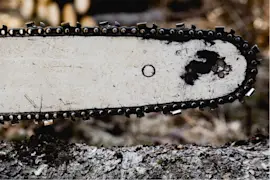
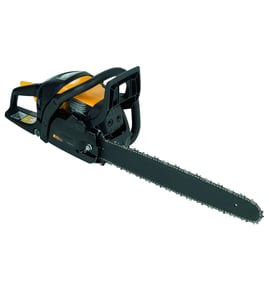
For the Mcculloch WILDCAT chainsaw, the most common factory setup is an 18-inch guide bar. Bar length can vary if a previous owner swapped the bar and chain, so we recommend confirming the actual bar length on your saw before ordering replacements.
How to confirm the bar length on your saw
- Turn the engine off and let the chain stop completely.
- Engage the chain brake and remove the spark plug wire for safety.
- Measure from the front face of the powerhead (where the bar exits the case) to the tip of the bar.
- Round down to the nearest even inch (for example, 18 1/2 inches is typically sold as 18 inches).
- If the bar is stamped, check for markings like 18 in, pitch, and gauge.
Bar length vs. pitch and gauge (what you actually need to match)
Even if your bar is 18 inches, the replacement chain must match the bar’s pitch and gauge.
| Spec | What it means | What to match when buying parts |
|---|---|---|
| Bar length | Cutting length of the guide bar | Match for fit and intended use |
| Chain pitch | Spacing of drive links | Must match sprocket and bar |
| Chain gauge | Thickness of drive links | Must match bar groove |
| Drive link count | Number of drive links | Must match bar length and sprocket setup |
Why it matters
Using the wrong pitch, gauge, or drive link count can cause poor cutting, chain derailment, or damage to the bar and sprocket. Confirming the bar stamp and measuring the bar prevents ordering the wrong chain.
Helpful DIY resources
Last updated: February 2026
What size chain is McCulloch WILDCAT?
For the Mcculloch WILDCAT chainsaw, the exact chain size depends on the bar and sprocket setup currently on your saw. Most homeowner Mcculloch saws in this class commonly use a 3/8 in. low-profile chain with a .050 in. gauge, but you should match the pitch, gauge, and drive link count to your existing bar and chain.
How to identify the correct chain (what to measure)
Use these checks so the replacement chain fits your WILDCAT bar groove and drive sprocket:
- Pitch: often stamped on the bar (commonly 3/8 LP on homeowner saws)
- Gauge: the drive link thickness (commonly .050 in.)
- Drive link count (DL): the number of drive links on the loop (varies by bar length)
- Bar length: measured from the saw body to the bar tip (not the full bar length)
- Sprocket type/condition: a worn rim or spur sprocket can cause poor fit and fast chain wear
Quick reference: common chain setups you may see
These are typical combinations for many 16-inch homeowner chainsaws; use them as a starting point, then confirm by reading the bar stamp or counting drive links.
| Bar length (typical) | Common pitch | Common gauge | Common drive links |
|---|---|---|---|
| 14 in. | 3/8 LP | .050 in. | 52 DL |
| 16 in. | 3/8 LP | .050 in. | 56 DL |
| 18 in. | 3/8 LP | .050 in. | 62 DL |
Why it matters
If pitch or gauge is wrong, the chain will not seat correctly in the bar groove or mesh with the sprocket. That leads to thrown chains, poor cutting, overheating, and accelerated wear on the bar, sprocket, and clutch.
Before you install a new chain
- Verify the bar stamp for pitch and gauge
- Count the drive links on your old chain (or read the DL number on the tie strap if present)
- Inspect the bar rails and sprocket for hooking or heavy wear
- Set correct chain tension (snug on the bar, still pulls around by hand with gloves)
- Confirm the oiler is working; see chainsaw care and troubleshooting tips
Last updated: February 2026