

Are Whirlpool washer parts interchangeable?
Whirlpool washer parts are only interchangeable when the replacement part is listed as compatible with your exact washer model, such as WTW4950HW3. Even within Whirlpool, similar-looking parts can have different mounting points, electrical connectors, or calibration requirements, so we match by model and part ID.
What “interchangeable” really means
Parts can be considered interchangeable only if they match these basics:
- Same Whirlpool model compatibility (WTW4950HW3-SPECIFIC fit)
- Same electrical rating and connector style (for switches, actuators, controls)
- Same mechanical dimensions and mounting pattern (for belts, pulleys, tubs)
- Same revision level or approved substitute part ID
Common WTW4950HW3 parts that must match exactly
These are examples where “close enough” often causes noise, leaks, or no-spin/no-drain symptoms:
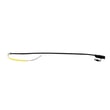
- Washer lid lock W11307244 (lid lock and safety circuit)
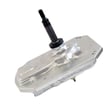
- Actuator, shift W11481722 (shifts between agitate and spin)
- Drive belt W11239857 (belt length and profile matter)
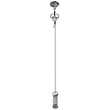
- Whirlpool washer drive pulley W10721967 (pulley diameter and spline fit)
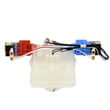
- Washer water inlet valve assembly W11038689 (valve coil and port layout)
Quick compatibility check (what we use)
| Part type | What must match | What can vary |
|---|---|---|
| Lid lock | Connector, mounting, strike engagement | Minor cosmetic differences |
| Belt/pulley | Size, spline, alignment | Color/finish |
| Control boards | Exact part ID and programming | Label placement |
| Valves/hoses | Port size, routing, clamps | Hose length within reason |
Why it matters
Using a non-matching substitute can create new problems (out-of-balance, grinding, fill errors, or lid not locking). Matching by WTW4950HW3 helps ensure proper fit, safe operation, and correct cycle performance.
For troubleshooting symptoms that lead to parts replacement, we also use Whirlpool washer error code resources such as Whirlpool belt drive top load washer error codes.
Last updated: February 2026
Is a 4.7 cubic foot washer big?
Yes. A 4.7 cubic foot washer is considered large capacity; it handles bulky items (like a comforter) and bigger family-sized loads with fewer cycles. For Whirlpool model WTW4950HW3, that size is “big” for a home top-load washer and is designed for larger loads.
What “4.7 cu. ft.” means in real laundry terms
Most large-capacity washers (about 4.5 cu. ft. and up) are built to wash:
- 2 to 3+ standard laundry baskets worth of clothing (depending on fabric and how tightly it’s packed)
- 11 to 21 bath towels in one load (varies by towel thickness)
- A king-size comforter (best on bulky/bedding cycles, not tightly stuffed)
- Larger mixed loads (jeans, hoodies, sweatshirts) without overfilling
How to tell if the load is the “right size”
Even with a big tub, overloading reduces cleaning and can cause off-balance spinning.
- Load items loosely; don’t pack them down
- Keep the top of the load below the tub rim
- Leave about a hand’s width of space at the top so items can circulate
- Mix large and small items to help balance during spin
- Use HE detergent and measure carefully to avoid residue
Capacity quick guide
| Washer capacity | What it’s best for | Typical household fit |
|---|---|---|
| 3.5 to 4.4 cu. ft. | everyday loads | 1 to 3 people |
| 4.5 to 5.3 cu. ft. | bulky items, fewer loads | 3 to 5+ people |
| 5.4+ cu. ft. | extra-large loads | large families, heavy weekly laundry |
Why it matters
A larger-capacity washer like WTW4950HW3 can reduce the number of loads you run each week, but only if you load it correctly. Proper loading helps prevent vibration, improves cleaning, and reduces wear on drive components such as the drive belt W11239857.
Last updated: February 2026
What does F1 and E3 mean on a Whirlpool washer?
On the Whirlpool WTW4950HW3 washer, an F1/E3-style code points to a control sensing a problem with draining or water level feedback. In most cases, we fix it by correcting a drain issue first, then checking the drain pump and pressure-sensing hose connections.
What to do first (fast checks)
- Unplug the washer for 1 minute, then plug it back in and try a Drain/Spin cycle.
- Make sure the drain hose is not kinked, crushed, or shoved too far down the standpipe.
- Confirm the standpipe is not clogged and the washer is not siphoning (gurgling, refilling, then stopping).
- Check for a small load imbalance; redistribute items and retry.
- If the tub is full of water, bail out water as needed before servicing.
Likely causes and the parts that commonly fix them
If the washer will not drain, drains slowly, or stops mid-cycle, these are the most common fixes for this model:
| Symptom you see | Most likely cause | Part to check on WTW4950HW3 |
|---|---|---|
| Hums but will not drain | Pump jammed or failed | Washer drain pump W10919003 |
| Drains but leaks or siphons | Drain hose routed wrong or damaged | Hose asm - d W11244231 |
| Overfills, underfills, or acts “confused” about water level | Pressure hose loose, pinched, or leaking air | Hose WP353244 |
Why it matters
When the washer cannot drain correctly, the control can interpret that as an unsafe condition (water still present, incorrect water level change, or a stalled drain). Fixing the drain path first prevents repeat errors and protects the drive system and control.
When a part replacement is the right next step
Replace the drain pump or related hose when you see any of these:
- Pump impeller is blocked by debris and will not spin freely
- Pump runs loudly, overheats, or intermittently stops
- Drain hose is split, soft, or collapsing
- Pressure hose is brittle, loose at either end, or has pinholes
Last updated: February 2026
What is the life expectancy of a Whirlpool washing machine?
A Whirlpool washing machine like model WTW4950HW3 typically lasts 10 to 14 years with normal household use. Consistent maintenance, correct detergent, and avoiding chronic overloading are the biggest factors that push lifespan toward the high end.
Typical lifespan (what to expect)
Most modern top-load washers fall into a predictable range based on use and care.
| Usage pattern | Typical life expectancy | What usually ends a washer’s life |
|---|---|---|
| Light (1 to 3 loads/week) | 12 to 16 years | Wear parts, minor leaks |
| Average (4 to 7 loads/week) | 10 to 14 years | Drive system wear, drain issues |
| Heavy (8+ loads/week) | 7 to 11 years | Suspension wear, control problems |
What extends the life of a WTW4950HW3 washer
- Keep loads balanced; avoid washing single heavy items (comforters, rugs) by themselves.
- Use HE detergent and measure it; excess suds increases strain and residue.
- Leave the lid open between loads to reduce odor and moisture damage.
- Check fill hoses periodically for bulges or seepage; replace before they burst.
- Level the washer; chronic vibration shortens suspension and drive life.
Parts that commonly wear first (and why)
These are normal wear items on many Whirlpool top-load washers; replacing them can restore performance and extend service life.
- Drive belt W11239857: a worn belt can cause weak spin or agitation.
- Washer lid lock W11307244: a failing lock can prevent starting or spinning.
- Washer water inlet valve assembly W11038689: valve issues can cause slow fill or no fill.
- Washer drain pump W10919003: pump problems can cause no-drain or long drain times.
Why it matters
Knowing the expected lifespan helps you decide whether to repair or replace. If your WTW4950HW3 is under about 10 years old, fixing a single failed part (belt, lid lock, pump, actuator) is often the most cost-effective path.
Last updated: February 2026
What is the most common problem with Whirlpool washers?
The most common Whirlpool washer problem is a no-drain or no-spin condition. On the Whirlpool WTW4950HW3 top-load washer, this is usually caused by a lid lock issue, a drain restriction, or a drive system problem that prevents the basket from reaching spin speed.
Quick checks we recommend first
- Make sure the lid fully closes and locks; a failed lock can stop drain and spin.
- Redistribute the load; bulky items can trigger out-of-balance behavior and reduce or stop spinning.
- Confirm the drain hose is not kinked, crushed, or pushed too far down the standpipe.
- Listen for the drain pump; a humming pump with little water flow points to a clog or failing pump.
- If the washer drains but will not spin, inspect the belt and pulley area for wear or slipping.
Common symptoms and the parts that often fix them
| Symptom | What it usually points to | Example model-matched part |
|---|---|---|
| Won’t start, won’t spin, lid won’t “click” locked | Lid lock not engaging | Washer lid lock W11307244 |
| Won’t drain or drains very slowly | Pump issue or blockage | Washer drain pump W10919003 |
| Spins weakly, squeals, or stops under load | Belt slipping or worn | Drive belt W11239857 |
| Agitates/spins inconsistently | Shift system not moving correctly | Actuator, shift W11481722 |
Why it matters
A washer that cannot drain or spin leaves clothes soaking wet and can strain the motor and control system. Catching the cause early (lid lock, drain pump, belt, or actuator) helps prevent repeat failures and reduces the chance of secondary damage.
Helpful DIY reference
If you are seeing a code or unusual flashing pattern, use our Whirlpool belt drive top load washer error codes guide to match the symptom to the most likely failure area before replacing parts.
Last updated: February 2026