Owner’s manual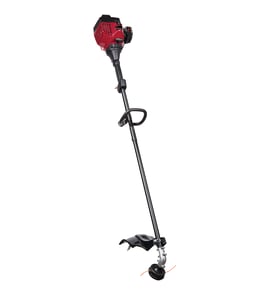




Which fuel line goes where on a weedeater?
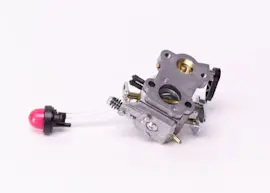
On the Weed Eater XT260, the filtered pickup line in the fuel tank feeds the carburetor (fuel supply), and the return line sends excess fuel back to the tank. Use the routing diagram and service notes in the XT260 owner's manual to match the exact nipple locations on your carburetor.
Typical fuel line routing (most 2-cycle trimmers)
Use this as a reliable way to identify lines even if the hoses were removed:
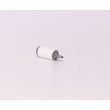
- Supply line (in-tank fuel filter attached): fuel tank to carburetor fuel inlet
- Return line (no filter): carburetor primer/return port back to fuel tank
- Primer bulb rule of thumb: the primer usually pulls fuel through the carb, then pushes it back to the tank through the return line
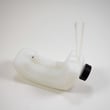
If your XT260 has two tank holes, the smaller hole commonly carries the filtered supply line and the larger hole commonly carries the return line.
Quick identification checklist
Before you reconnect anything, we recommend these quick checks:
- Look for the fuel filter inside the tank; that hose is the supply
- Inspect hoses for cracks, softness, or swelling (replace if any are found)
- Confirm the supply hose reaches the bottom of the tank so it can pick up fuel
- Make sure hoses are not kinked when the tank is installed
- After routing, prime and check for leaks before starting
Common 2-line setup at a glance
| Line | How to identify it | Where it goes |
|---|---|---|
| Supply | Has in-tank fuel filter | Tank to carburetor inlet |
| Return | No filter; often larger ID | Carburetor/primer return to tank |
Why it matters
Correct fuel line routing prevents hard starting, stalling, and fuel leaks. The XT260 manual also emphasizes fuel safety and checking for leaks before use, which is especially important after any fuel system repair.
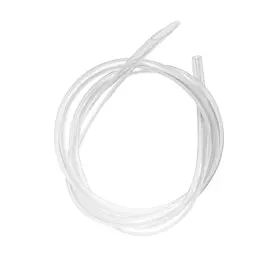
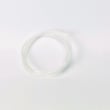
If your hoses are brittle or leaking, replacing them as a set is the fastest fix; the ayp lawn & garden equipment fuel line, large 530069216 is one of the fuel line options listed for this model.
Last updated: January 2026
What is the fuel mixture for a gas trimmer?
For the Weed Eater XT260 gas line trimmer, we mix unleaded gasoline with synthetic 2-cycle air-cooled engine oil at a 40:1 ratio (3.2 oz oil per 1 gallon of gas). This correct fuel mix helps prevent hard starting, poor performance, and engine damage.
Fuel mix ratio and quick measurements
Use this chart to mix accurately every time.
| Gasoline amount | 40:1 oil amount | Notes |
|---|---|---|
| 1 gallon | 3.2 oz (95 ml) | Most common mix size |
| 1/2 gallon | 1.6 oz | Good for small batches |
| 1 quart | 0.8 oz | Useful for testing or short jobs |
How we recommend mixing 2-cycle fuel
Mix in an approved fuel container, not in the trimmer’s tank.
- Use fresh unleaded gasoline.
- Add the measured 2-cycle synthetic oil first.
- Pour in the gasoline, then cap and shake to fully blend.
- Fill the trimmer using the fuel mix fill cap; wipe up any spills.
- If the fuel sits, shake the container again before refueling (oil can separate during storage).
For model-specific fueling and safety steps, follow the XT260 owner's manual.
What not to use
These choices commonly lead to smoking, plug fouling, or internal engine wear.
- Do not use automotive oil.
- Do not use marine 2-cycle oil.
- Do not use old fuel that has been sitting for weeks or months.
- Avoid leaving fuel in the tank for 30 days or longer; drain and run the engine dry for storage.
Why it matters
A 2-cycle trimmer relies on the oil mixed into the gasoline to lubricate the piston, crankshaft, and bearings. Running too little oil can score the cylinder and piston; running too much oil can foul the spark plug and reduce power.
Last updated: January 2026
How to change trimmer line on a gas trimmer?
On the Weed Eater XT260 gas line trimmer, you change the trimmer line by opening the trimmer head, removing the old line or spool, and reloading it with the correct 0.080 inch (2 mm) line; then reassemble the head and verify the line advances properly per the XT260 owner's manual.
Before you start (safety and setup)
- Stop the engine and let it cool.
- Disconnect the spark plug before maintenance.
- Wear eye protection and hearing protection.
- Keep the shield installed; it helps control debris and sets max line length.
- Use only 0.080 inch (2 mm) diameter line; never use wire, rope, or string.
How to replace the trimmer line (general steps)
- Access the head: Press the tabs or remove the cap/cover on the trimmer head.
- Remove old line: Pull out remaining line pieces and clean debris from the spool area.
- Reload line: Wind new 0.080 inch line onto the spool in the direction shown on the spool (most spools have arrows). Leave two equal tails.
- Thread the exits: Feed the line ends through the eyelets in the head.
- Reassemble: Snap the cap back on and pull the line ends to confirm they move freely.
If the line will not advance after reloading
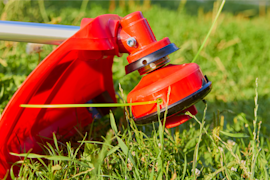
The XT260 bump-feed advances about 2 inches (5 cm) each time you tap the bottom of the head on grass with the engine at full throttle.
| Symptom | Most common cause | What to do |
|---|---|---|
| Line will not feed | Wrong line diameter | Switch to 0.080 inch (2 mm) line |
| Line welds/sticks | Running too fast, overheated spool | Cut at less than full throttle when possible |
| Head wears quickly | Bumping on concrete/asphalt | Tap only on grass |
Why it matters
Correct line size and proper loading prevent feed problems, reduce trimmer head wear, and help the XT260 cut efficiently without excessive vibration or premature line “welding” on the spool.
Last updated: January 2026
Which is better, .080 or .095 trimmer line?
For the Weed Eater XT260, we use the line size specified by the manufacturer: 0.080 inch (2 mm). That size feeds and advances correctly in the trimmer head; 0.095 inch is only “better” on trimmers designed and rated for thicker line.
What to use on the Weed Eater XT260
The XT260 operator guidance calls for 0.080 inch line for proper cutting head operation and safe line advance. Confirm the exact wording and any brand or shape notes in the XT260 owner's manual.
- Use 0.080 inch (2 mm) diameter trimmer line.
- Keep the shield installed so the line limiter controls maximum line length.
- Advance line by tapping the trimmer head on the ground with the engine at full throttle.
- Tap on grass or soil; avoid concrete or asphalt to reduce head wear.
- Never substitute wire, rope, or string.
.080 vs .095: quick comparison
| Line diameter | Best for | What you will notice |
|---|---|---|
| 0.080 in | Routine trimming and edging | Easier line feed, less engine load |
| 0.095 in | Heavier weeds on compatible trimmers | More durability, more load on the head/engine |
Why it matters
Using the specified diameter helps the bump-feed system advance line consistently and keeps the cutting radius matched to the guard and line limiter. Oversize line can feed poorly and can overstress the trimmer head.
Last updated: January 2026