 Owner’s manual


What is the most common problem with a GE dryer?
On the GE DVLR223EE0WW electric dryer, the most common complaint we see is “tumbles but won’t heat.” In many cases the root cause is a failed heating circuit component (often the heating element), or a power supply issue where the dryer has 240V problems but still runs.
Quick checks we recommend first
- Confirm the dryer is fully plugged in and the cord is secure.
- Reset both dryer breakers (most electric dryers use 2 breakers) or replace both fuses.
- Clean the lint screen before every load.
- Check the vent path for kinks, crushing, or heavy lint buildup.
- Make sure the outside vent damper opens freely.
For model-specific troubleshooting steps and symptom charts, use the DVLR223EE0WW owner’s manual.
Most common “no heat” causes (and what they look like)
| Symptom | Likely cause | What to do next |
|---|---|---|
| Drum turns, no heat | One breaker tripped or one fuse blown | Reset/replace both; verify 240V supply |
| Drum turns, no heat | Heating element open | Test element for continuity; replace if failed |
| Heats sometimes, then stops | Thermostat or high-limit issue | Check airflow first; then test thermostats |
| Long dry times | Restricted venting or full lint filter | Clean lint filter and venting; use shortest duct run |
Parts that commonly fix “tumbles but won’t heat”
If power and venting check out, the heating circuit is the next place to look. For this model, a common replacement is the GE dryer heating element assembly WE11M23.
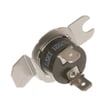
Other parts that can contribute to heat-related symptoms include thermostats and airflow components, but we always start with airflow and power because they are the fastest, most common fixes.
Why it matters
A restricted vent or partial power loss can make the dryer run without heating properly, increase dry times, and over-stress heating components. Keeping venting clear and power correct helps protect the heating element and improves drying performance.
Last updated: January 2026
Why does my GE dryer keep saying clean lint filter?
On the GE DVLR223EE0WW electric dryer, the “clean lint filter” message is a routine reminder tied to normal use, not a sensor that proves the screen is actually clean. GE still instructs cleaning the lint filter before each load to prevent lint buildup and airflow problems (see the DVLR223EE0WW owner's manual).
What to do first (quick checks)
- Remove the lint screen and clear all lint before every load.
- Wash the lint screen with warm water and a soft brush if you use dryer sheets; residue can block airflow.
- Confirm the lint screen is fully seated; the dryer should not be operated without it in place.
- Check the exhaust vent and outside hood for lint buildup or a stuck flap.
- If dry times are long, reduce load size and avoid overpacking the drum.
When the reminder matters (airflow symptoms)
A reminder is normal, but if you also notice poor drying, overheating smells, or the cabinet feels unusually hot, treat it as an airflow issue.
| What you notice | Most common cause | What we recommend |
|---|---|---|
| “Clean lint filter” message only | Normal reminder | Clean screen each load and continue |
| Long dry times | Restricted venting or screen residue | Clean screen, then inspect and clean venting |
| Lint on clothes | Full/blocked lint screen | Clean screen before each load |
| Dryer runs hot | Vent restriction | Stop use and clear venting before running again |
Parts that can help if the screen is damaged
If the lint screen is torn, warped, or no longer fits tightly, replace it so lint does not bypass the filter and collect inside the dryer. The correct replacement for this model is the dryer lint filter WE18X25100.
Why it matters
GE specifically calls out cleaning the lint filter before each use, and also recommends inspecting and cleaning exhaust ducting at least once a year. Good airflow helps drying performance, reduces wear on components like the heating system, and helps prevent lint accumulation.
Last updated: January 2026
What does DVLR223EE0WW stand for?
DVLR223EE0WW is the GE model number that identifies your specific electric dryer configuration (series, features, and production details). We use this exact model number to match the correct parts list and the correct instructions in the DVLR223EE0WW owner’s manual.
What the model number tells us (and what it does not)
The model number is mainly a parts and service identifier. It helps ensure you get the right drive components, heating parts, and controls for your exact dryer.
- Confirms the appliance is a GE electric dryer model
- Narrows down the correct control panel layout and features for the DVLR223 series
- Ensures parts compatibility when ordering items like a belt, idler pulley, or door switch
- Helps us pull the right wiring and component diagrams used for troubleshooting
- Pairs with the serial number to identify production run details
Where to find the model number on the dryer
On GE dryers like DVLR223EE0WW, the model and serial label is located on the front of the dryer behind the door.
- Open the dryer door
- Look along the front frame area behind the door opening
- Write down both the model number and serial number
- Use the full model number (including the “0WW” suffix)
Why the full suffix matters (example)
Small suffix changes can affect which parts fit.
| What you enter | What can happen | Best practice |
|---|---|---|
| DVLR223 | May show multiple variants | Use the full DVLR223EE0WW |
| DVLR223EE0WW | Matches the correct parts list | Use this for parts lookup |
| Serial number only | Not enough by itself | Use model + serial together |
Why it matters
Using the exact DVLR223EE0WW model number prevents wrong-part returns and speeds up repairs, especially for fit-sensitive items like the drive belt WE03X29897 and heating or safety components.
Last updated: January 2026
What are the dimensions of a GE dryer?
Most full-size GE electric dryers, including model DVLR223EE0WW, are built around a standard footprint of about 27 inches wide, 38 inches tall, and 30 to 32 inches deep (depth varies most with the door and venting). For the exact cabinet and clearance dimensions, use the DVLR223EE0WW owner's manual.
Typical GE dryer size ranges (what to expect)
These ranges help you plan a laundry space when you do not have the spec label handy.
- Width: 27 inches (most common for full-size)
- Height: 38 to 39 inches
- Cabinet depth: 30 to 32 inches
- Depth with door open: often 50 to 55 inches
- Recommended side clearance: typically 0 to 1 inch
- Recommended rear clearance: typically 4 to 6 inches for venting space
Quick fit check for your laundry area
Use this checklist before you move the dryer or order a pedestal/stacking kit.
| Measurement | What to measure | Why it matters |
|---|---|---|
| Width | Wall-to-wall opening | Prevents cabinet rub and vibration noise |
| Depth | Back wall to front obstruction | Ensures the door closes and the dryer sits flat |
| Rear space | Dryer back to wall | Leaves room for a 4-inch exhaust duct |
| Door swing | Door fully open arc | Avoids hitting a washer, wall, or door trim |
Why it matters
Dryer “dimensions” are not just the cabinet size. Venting space, door swing, and clearance for airflow affect drying performance and help prevent overheating issues.
Related setup tip
If your DVLR223EE0WW is slow to dry after you confirm it fits correctly, restricted airflow is a common cause. Cleaning the lint screen and checking the exhaust path usually makes the biggest difference.
Last updated: January 2026






