


Where to find model number on Craftsman tiller?
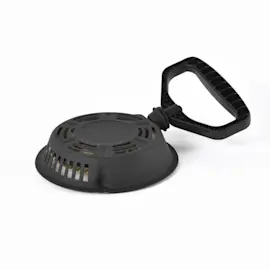
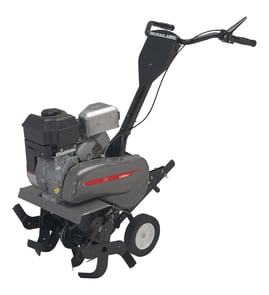
On a Craftsman front-tine tiller like model 917298550, you’ll usually find the model number on the engine area, most often on or near the recoil (pull) starter housing, under the engine shroud, or on the sheet metal near the muffler or spark plug.
Common places to check on model 917298550
Look for a stamped tag, sticker, or metal plate in these spots:
- On the recoil starter cover (pull-start housing)
- Under the engine shroud (top cover) on nearby sheet metal
- Next to the muffler on the engine side panel
- Near the spark plug area
- On the frame rail close to the engine mount
How to read the tag and why it matters
The model number is what we use to match the correct Craftsman tiller parts diagrams and ensure parts fit your exact build.
- Model number identifies the tiller assembly (example: 917298550)
- Engine model/type/code (if shown) identifies the engine itself (useful for engine-specific parts)
- Serial number helps confirm production run when there are mid-series changes
Quick troubleshooting if you can’t find it
If the label is dirty, painted over, or worn:
- Wipe the area with a rag and mild degreaser
- Use a flashlight at an angle to see stamped numbers
- Take a close-up photo and zoom in
- Check multiple locations; some units have more than one tag
What you’ll use the model number for
| What you need | Use this number | Example |
|---|---|---|
| Tiller chassis parts (tines, belts, hardware) | Tiller model number | 917298550 |
| Engine-specific parts (carb, ignition, recoil parts) | Engine model/type | Listed on engine tag |
Why it matters
Using the correct model number prevents ordering the wrong parts and helps us narrow down the exact diagrams for your tiller.
For help confirming you’re reading the tag correctly, use our guide: how to find your appliance model number (and what it means for parts).
Last updated: February 2026
What tiller is made in the USA?
Some tillers are made in the USA, but it varies by brand, model, and even production year. For Craftsman model 917298550 (a 5-hp compact front-tine tiller), the most reliable way to confirm origin is to check the product ID tag and any original packaging or paperwork tied to that exact unit.
How to confirm where a tiller was made
Look for a “Made in …” statement in one of these places:
- The model and serial tag on the frame (often near the engine mount or handle support)
- A label on the engine shroud (engine origin can differ from the tiller frame origin)
- The original carton or included literature
- Stamped markings on major assemblies (tine shield, transmission housing)
Common USA-made tiller examples (by category)
These are commonly cited as USA-made options in certain product lines; always verify the specific model and year:
| Tiller type | Examples often associated with USA manufacturing | Best for |
|---|---|---|
| Lightweight cultivator | Mantis-style compact cultivators | Small gardens, tight rows |
| Heavy-duty farm tiller | Northwest Tillers-style equipment | Large plots, tough soil |
| Commercial-duty | Power Dog-style commercial models | Frequent use, hard ground |
| Classic garden tiller | Merry Tiller-style machines | Home gardens, long service life |
Why it matters
Country of origin can affect parts sourcing, fastener standards, and long-term serviceability. When you are maintaining a Craftsman tiller like 917298550, matching parts by model number is what prevents fit issues.
Parts that often come up during service
If you are doing a tune-up or fixing looseness and drive issues, these are examples of hardware and drive-related parts we list for this model:
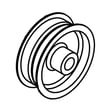
- Tiller engine sheave 592642101 (drive pulley; can affect belt tracking)
- Key 532002649 (used to lock a pulley or hub to a shaft)
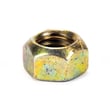
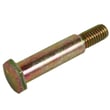
- Gripco nut 596322601 (fastener used in assemblies that can loosen over time)
Last updated: February 2026
What is a front tine tiller for?
A front-tine tiller like the Craftsman 917298550 is designed for light-to-moderate garden work: loosening already-worked soil, mixing in compost, preparing seed beds, and cultivating between rows. It is a compact, easy-to-store style that typically takes more hands-on effort than larger rear-tine tillers.
What a front-tine tiller does best
- Breaks up and aerates soil that is not heavily compacted
- Mixes amendments (compost, fertilizer) into the top few inches of soil
- Prepares seed beds for planting vegetables and flowers
- Cultivates and weeds between established garden rows
- Works well in tighter spaces where a larger tiller is hard to maneuver
When it is the right choice (and when it is not)
Front-tine tillers are a strong fit for small-to-medium gardens and routine seasonal prep. If you are converting hard-packed ground or cutting through thick sod, a heavier-duty tiller style is usually a better match.
| Task | Front-tine tiller (like 917298550) | Heavier-duty tiller (typical) |
|---|---|---|
| Pre-worked soil and annual garden prep | Best choice | Works, but often more than you need |
| Weeding between rows | Very good | Often too large |
| New ground, hard clay, thick sod | Limited | Better choice |
Why it matters
Using the right tiller type helps you get a consistent seed bed without overworking the soil. Over-tilling can lead to poor soil structure, while under-tilling can leave clumps that make planting and watering harder.
Parts that commonly support performance
If your tiller is not pulling itself forward well or seems to slip under load, we typically check the drive and hardware that secures rotating components.
- Inspect the engine drive pulley area for wear and looseness
- Check for missing keys or loose fasteners on rotating shafts
- Replace damaged retaining hardware so adjustments stay locked in
Relevant parts for this model include the tiller engine sheave 592642101 and the key 532002649.
Last updated: February 2026
Are Craftsman tillers any good?
Yes. Craftsman tillers, including the Craftsman 917298550 5-hp compact tiller, are a solid choice for typical home garden work because they generally deliver good digging power and straightforward controls. Long-term satisfaction usually comes down to routine maintenance and replacing wear items before they fail.
What “good” looks like for a tiller
A tiller is doing its job well when it:
- Breaks up soil without constant stalling or belt slip
- Holds a steady tine speed under load
- Tracks straight without excessive handle flex
- Starts reliably (cold and warm)
- Does not shed hardware (nuts, keys, retainers) during vibration
Common pros and common complaints (what we see most)
These points apply broadly to homeowner tillers and match what many owners report over time.
| Area | What owners like | What can become a problem |
|---|---|---|
| Power | Strong bite in compacted soil | Bogging if belt, sheave, or tines are worn |
| Ease of use | Simple, mechanical design | Vibration can loosen fasteners |
| Durability | Good with maintenance | Wear parts can need replacement sooner in rocky soil |
How to keep a Craftsman tiller running strong
Most “durability” complaints trace back to normal wear, vibration loosening, or missed adjustments.
- Recheck and tighten hardware after the first few hours each season (vibration is constant)
- Inspect the drive system for belt slip and pulley wear; a worn sheave can reduce tine speed
- Replace missing or damaged small hardware immediately so larger assemblies do not get damaged
- Keep tines clear of wire, roots, and rocks to prevent sudden shock loads
- Do a quick pre-use walkaround: loose handles, missing pins, and wobbling pulleys show up early
Parts that commonly matter on this model
If you are chasing vibration, slipping, or hardware that will not stay put, these model-listed parts are often involved:
- Tiller engine sheave 592642101 (pulley wear can affect drive performance)
- Key 532002649 (a damaged key can cause slipping or misalignment)
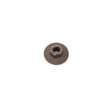
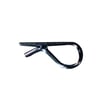
- Spring retainer 532003146 (retainers help keep linkages and pins secured)
Why it matters
A tiller that is slightly loose or slipping today can quickly turn into broken brackets, damaged shafts, or premature belt and pulley wear. Catching small issues early keeps your Craftsman 917298550 working like it should and reduces downtime in the middle of planting season.
Last updated: February 2026
What are the common problems with lawn tillers?
Common problems with a lawn tiller like the Craftsman 917298550 front-tine tiller include fuel delivery issues, ignition problems, and drive or tine engagement troubles. Most “won’t start” or “won’t till” complaints trace back to stale fuel, restricted fuel flow, or a worn spark plug.
Most common symptoms and likely causes
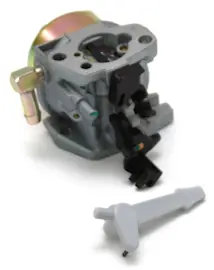
- Engine won’t start: old fuel, fouled spark plug, dirty air filter, carburetor varnish
- Starts then dies: clogged fuel cap vent, restricted fuel flow, debris in carburetor
- Runs rough or surges: partially blocked carburetor jet, air leak, dirty filter
- Tines won’t turn: belt or pulley/sheave issue, misadjusted engagement cable, linkage problem
- Excess vibration or noise: loose hardware, damaged tines, worn key at a rotating joint
Quick checks we recommend (fast, low-cost)
- Drain old gasoline and refill with fresh fuel; confirm the oil level is correct.
- Remove and inspect the spark plug; clean or replace if carbon-fouled.
- Check the air filter; replace if dirty or oil-soaked.
- Verify the tine/drive control fully engages and returns freely.
- Tighten loose fasteners and replace missing retainers or nuts.
Parts on this model that often matter for “tines won’t turn”
If the engine runs but the tines do not move, start with the belt and pulley/sheave system. These parts from the Craftsman 917298550 parts list are commonly involved in drive and tine engagement issues:
| What you notice | What to inspect | Example part on this model |
|---|---|---|
| Engine runs, tines do not | Pulley/sheave wear, belt routing and tension | Tiller engine sheave 592642101 |
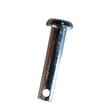
| Rattling or looseness | Retainers and nuts on linkages/shafts | Spring retainer 532003146, gripco nut 596322601 |
| Clunking at a joint | Keyed connection wear | Key 532002649 |
Why it matters
Restricted fuel flow makes starting harder and can cause overheating from a lean-running engine. A slipping drive system quickly wears belts and sheaves, and loose hardware can damage shafts and linkages during operation.
Last updated: February 2026