
How to fix centralized AC?
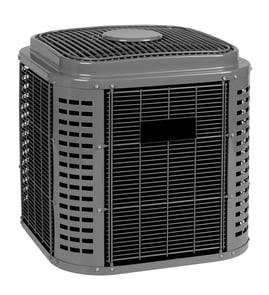
For a Coleman BRCQ0301CB central air conditioner, the fastest “fix” is usually restoring power, correcting thermostat settings, or clearing an airflow problem. Start with safe, basic checks (breaker, disconnect, filter, outdoor coil) before moving to electrical tests or sealed-system issues.
Safety first (before any troubleshooting)
- Turn OFF power at the breaker and the outdoor service disconnect before opening panels.
- Capacitors can hold a charge; avoid touching electrical terminals.
- If you smell burning, see melted wires, or hear loud buzzing at the contactor, stop and arrange service.
Quick checks that solve most “AC not working” calls
- Thermostat: Set to Cool, fan to Auto, and lower setpoint 3 to 5 degrees.
- Breaker/disconnect: Reset a tripped breaker once; confirm the outdoor disconnect is fully seated.
- Air filter and vents: Replace a clogged filter; open supply registers and return grilles.
- Outdoor unit: Clear leaves and debris; make sure the condenser fan can spin freely.
- Drain/float switch (if equipped): A backed-up condensate drain can shut cooling off.
If it runs but does not cool
What to look for
- Indoor blower running but outdoor unit not running (often contactor, capacitor, or wiring).
- Outdoor unit running but weak cooling (often dirty coil, restricted airflow, or refrigerant issue).
Simple symptom guide
| Symptom | Most common cause | What we do next |
|---|---|---|
| Outdoor unit silent | No power, failed contactor, failed capacitor | Verify voltage, inspect wiring, test components |
| Outdoor fan runs, compressor not | Weak capacitor, compressor start issue | Test capacitor, check amp draw |
| Icing on lines/coil | Dirty filter, low airflow, low refrigerant | Fix airflow first; then evaluate charge |
Electrical testing (DIY only if you are trained)
Use a meter to confirm power and component health:
- Check for a blown fuse and confirm voltage at the disconnect.
- Inspect thermostat and low-voltage wiring for loose or damaged connections.
- Use a multimeter correctly before condemning parts: how to use a multimeter to test electrical parts video
Why it matters
Running a central AC with low airflow or electrical faults can damage the compressor, increase energy use, and turn a small repair (filter, capacitor, wiring) into a major breakdown.
Last updated: February 2026
How much should a central air conditioner cost?
A central air conditioner typically costs $3,500 to $8,500 installed for many homes, with higher prices when you need ductwork repairs, electrical upgrades, or a higher-efficiency system. For your Coleman model BRCQ0301CB, the exact total depends on capacity, SEER2 rating, and installation complexity.
Typical cost ranges (installed)
These ranges help you sanity-check quotes for a split-system central AC (outdoor condenser plus indoor coil).
- Equipment only: $1,800 to $5,500
- Installed total (most common): $3,500 to $8,500
- High-efficiency or complex installs: $8,500 to $15,000+
- Ductwork repair or replacement (if needed): add $1,500 to $6,000+
- Electrical upgrades (disconnect, breaker, wiring): add $300 to $2,000+
What drives the price the most
A “good” price is the one that matches your home’s needs and includes the right scope of work.
- System size (tons/BTU): Oversizing raises cost and can reduce comfort (short cycling).
- Efficiency (SEER2): Higher SEER2 costs more up front but lowers operating cost.
- Indoor coil and refrigerant line set: Reusing old components can add risk and labor later.
- Refrigerant type and charging: Leak repair, evacuation, and recharge can add significant labor.
- Permits and code items: Pad, disconnect, whip, surge protection, and drain safety.
Quick quote checklist (use this before you sign)
- Model numbers for outdoor unit and indoor coil are listed on the quote
- Load calculation or sizing method is documented (not guesswork)
- Line set condition is addressed (reuse vs replace)
- Warranty terms and labor coverage are written out
- Start-up checks included (static pressure, temperature split, refrigerant charge)
Cost comparison table
| Scenario | What’s included | Typical installed cost |
|---|---|---|
| Basic replacement | Swap outdoor unit and coil, minimal changes | $3,500 to $6,500 |
| Mid-range upgrade | Higher efficiency, some electrical or line set work | $5,500 to $9,500 |
| Major project | Ductwork, electrical upgrades, complex access | $9,000 to $15,000+ |
Why it matters
Central AC cost is mostly installation quality and scope, not just the condenser price. A properly sized, correctly charged system runs longer, dehumidifies better, and avoids premature compressor and capacitor failures.
For help confirming your exact model number before ordering repair parts, use how to find your appliance model number (and what it means for parts).
Last updated: February 2026
What is the most expensive part to replace on an AC unit?
On most central AC systems (including the Coleman BRCQ0301CB), the compressor is typically the most expensive single part to replace because it is the sealed, labor-intensive “heart” of the refrigerant system. When a compressor fails, the repair often includes refrigerant work and electrical diagnostics.
What usually makes the compressor the costliest
- It is a sealed component in the refrigerant circuit; replacement involves recovery and recharging refrigerant.
- Labor time is higher than most repairs (disconnecting lines, brazing, evacuation, leak checks).
- A compressor failure can be caused by other issues (capacitor, contactor, airflow problems), so troubleshooting matters.
- Many compressor jobs also require replacing the filter-drier and addressing contamination.
Other expensive AC parts (common runners-up)
Depending on the system design and what failed, these can also be high-cost repairs:
- Condenser coil (outdoor coil)
- Evaporator coil (indoor coil)
- Control board (on some systems)
- Blower motor (air handler or furnace blower)
- Refrigerant leak repair (labor plus refrigerant)
Quick comparison: typical “high-cost” repairs
| Component | Why it gets expensive | What you may notice |
|---|---|---|
| Compressor | Refrigerant work plus high labor | Outdoor unit hums, trips breaker, no cooling |
| Evaporator coil | Refrigerant work plus access difficulty | Weak cooling, icing, refrigerant leak signs |
| Condenser coil | Large part plus labor | Poor cooling, high head pressure, visible damage |
| Blower motor | Motor cost plus setup | Weak airflow, overheating, no air from vents |
Before replacing a compressor (what we check first)
These steps often prevent unnecessary major repairs:
- Verify thermostat call for cooling and correct settings
- Check the disconnect, breaker, and fuses (if equipped)
- Test run capacitor and contactor operation
- Confirm condenser fan runs and coil is not blocked
- Measure supply voltage and inspect wiring connections
For safe electrical testing basics, use our guide: how to use a multimeter to test electrical parts video.
Why it matters
A compressor replacement is a “big-ticket” repair; confirming the root cause (electrical, airflow, or refrigerant-related) helps prevent repeat failures and protects the rest of the Coleman BRCQ0301CB system.
Last updated: February 2026
What are the disadvantages of centralised AC?
Central (ducted) AC, including systems like the Coleman BRCQ0301CB, can be less efficient and less flexible than room-by-room options because it relies on ductwork and a single system to condition the whole home. The most common downsides are duct energy losses, uneven temperatures, and higher upfront repair complexity.
Common disadvantages (what homeowners notice)
- Energy loss through ducts: Leaky or poorly insulated ducts waste cooled air, especially in attics, crawlspaces, and garages.
- Uneven temperatures: Long duct runs, undersized returns, or closed registers can leave some rooms warmer than others.
- Less room-by-room control: One thermostat often drives comfort for the whole house unless you add zoning.
- Air quality can suffer if ducts are dirty: Dust, insulation debris, or moisture in ductwork can circulate through the home.
- Higher impact when something fails: A bad capacitor, contactor, blower issue, or refrigerant problem can take down cooling for the entire house.
Quick comparison: central AC vs. room-by-room cooling
| Feature | Central (ducted) AC | Room-by-room systems |
|---|---|---|
| Efficiency risk | Duct leakage and heat gain can reduce efficiency | No duct losses in the home |
| Temperature control | Whole-home average | Per-room control |
| Maintenance | Filters plus duct and airflow checks | Filters and indoor unit cleaning |
| Failure impact | Whole home affected | One area affected |
Why it matters
Most “central AC problems” are actually airflow and duct problems. If your ducts leak or your return air is restricted, the system runs longer, costs more to operate, and struggles to keep set temperature.
What we recommend to reduce the downsides
- Replace or clean the air filter on schedule.
- Keep supply registers open and returns unblocked.
- Seal obvious duct leaks and insulate ducts in unconditioned spaces.
- Keep the outdoor condenser coil clear of debris and maintain clearance.
- Use a multimeter safely to confirm electrical issues (fuses, capacitors, contactor) before replacing parts.
For electrical troubleshooting basics that apply to central air conditioners, use our guides: how to tell if a fuse is blown and how to use a multimeter to test electrical parts video.
Last updated: February 2026
Is it cheaper to have AC units or central air?
Central air is usually cheaper per hour of cooling for the same comfort level, but it often costs more overall because it cools the whole home. For a Coleman Evcon central air conditioner like model BRCQ0301CB, central air typically wins on efficiency; window or portable AC units can be cheaper when you only cool 1 to 2 rooms.
Quick cost comparison (what usually changes the bill)
- Area cooled: central air cools many rooms; a room AC cools a single zone
- Efficiency: central systems often have higher seasonal efficiency than older room units
- Duct losses: leaky or uninsulated ducts can raise central air operating cost
- Thermostat habits: big setbacks and frequent temperature swings can increase runtime
- Home factors: insulation, air leaks, sun exposure, and humidity load drive cost either way
Typical “cheaper” scenarios
| Your situation | Usually cheaper to run | Why |
|---|---|---|
| You cool most of the house daily | Central air | Better whole-home efficiency and comfort control |
| You cool only a bedroom/office | Room AC units | You avoid conditioning unused rooms |
| Ductwork is leaky or poorly insulated | Room AC units (until ducts are fixed) | Central air loses cooled air before it reaches rooms |
| You need even temperatures everywhere | Central air | Balanced airflow and humidity control |
How to lower cost with central air (BRCQ0301CB or similar)
- Replace or clean the air filter on schedule
- Keep the outdoor condenser coil clear of debris and vegetation
- Seal obvious duct leaks and insulate accessible duct runs
- Use a steady setpoint; avoid frequent large adjustments
- Use ceiling fans to feel cooler at a higher thermostat setting
Why it matters
“Cheaper” depends on whether you are paying to cool unused space. Central air is designed for whole-home comfort; room units are a targeted solution. Matching the system to how many rooms you actually use is what controls operating cost.
For general DIY safety and planning before you work around HVAC electrical components, review are diy appliance repairs safe.
Last updated: February 2026