Owner’s manual
 Error Codes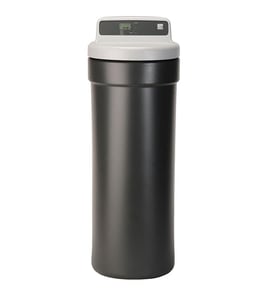




What is the average lifespan of a water softener?
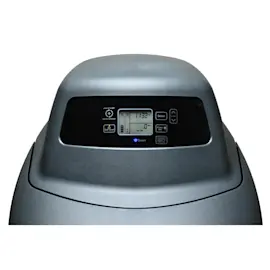
Most water softeners last 10 to 15 years. For the Kenmore 625348490 water softener, regular care (keeping salt in the tank, cleaning when needed, and protecting it from freezing) helps you reach the high end of that range; see the 625348490 owner's manual for model-specific care steps.
What affects lifespan the most
- Water hardness and iron: harder water and iron make the system work more and can shorten life.
- Salt quality and consistency: using the recommended salt type and keeping the brine tank filled prevents poor regeneration.
- Maintenance habits: periodic cleaning and resin care reduce wear on the valve and resin bed.
- Installation conditions: freezing conditions can damage internal components if the unit is not drained.
- Water pressure and temperature: staying within the rated limits reduces stress on seals and valve parts.
Quick maintenance checklist (best ROI)
- Keep salt above the water level in the brine tank; refill before it runs low.
- Break up salt bridges and crusting so brine can form correctly.
- If your water has iron, clean the resin bed on a regular schedule.
- Protect the softener from freezing; drain it if installed where it can freeze.
- Watch for leaks around the valve area; worn seals are a common age-related issue.
Common “end-of-life” symptoms and likely causes
| Symptom | What it often points to | What we typically replace |
|---|---|---|
| No soft water or inconsistent soft water | Valve not cycling correctly, restricted venturi/nozzle, resin issues | Cleaning first; then valve-related parts |
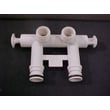
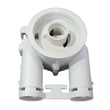
| Leaks at the valve/head | Worn seals or valve body wear | Kenmore water softener seal kit 7129716 |
| Unit seems to run but performance is poor | Metering/turbine issues or control sensing problems | Turbine or switch depending on symptom |
Why it matters
A softener near the end of its lifespan can waste salt and water during regeneration and still leave you with hard-water scale. Staying on top of salt, cleaning, and leak checks helps the Kenmore 625348490 deliver consistent soft water longer.
Last updated: January 2026
Is it worth repairing a water softener?
Repairing a Kenmore water softener model 625348490 is worth it when the problem is a common wear item (seals, venturi, turbine, switch) and the unit is otherwise in good condition; these repairs typically restore soft water and stop leaks without the cost of a full replacement.
Quick way to decide
We use these checkpoints to decide whether to repair or replace:
- Repair when the issue is a leak at the valve, poor brine draw, or inconsistent regeneration
- Repair when parts are available and the cabinet, resin tank, and brine tank are intact
- Repair when the softener still powers on and runs cycles (even if an error code appears)
- Replace when the resin tank or salt storage drum is leaking, or the unit has repeated major failures
- Replace when repair cost approaches about half the price of a comparable new softener
Common repairs that usually pay off
These are frequent fixes on demand water softeners like this one:
- Valve leaks or internal bypassing: replace seals using the Kenmore water softener seal kit 7129716
- Brine draw problems (nozzle/venturi restriction): service the venturi and gaskets (often resolves “no soft water”)
- No soft water due to flow sensing issues: inspect/clean the turbine and screen
- Stuck cycle or position errors: test/replace the rotor position switch
Repair vs replace comparison
| Situation | What it usually means | Best next step |
|---|---|---|
| Softener runs but water stays hard | Settings, venturi restriction, turbine/sensor issue | Repair and verify hardness settings in the 625348490 owner’s manual |
| Water leaking at valve area | Worn seals, cover gasket, fittings | Repair (seal kit is a common fix) |
| Tank or salt drum leaking | Structural failure | Replace the unit |
| Display blank or time flashing | Power interruption or power supply issue | Restore power, reset time, then retest |
Why it matters
A working softener protects plumbing and water-using appliances from scale buildup, and it helps your softener regenerate on schedule (the manual notes regeneration commonly occurs overnight and can be adjusted). Using the right repair parts also prevents repeat leaks and wasted salt.
Last updated: January 2026
What water softeners do plumbers recommend?
Plumbers typically recommend water softeners that are easy to service, have readily available parts, and use proven control valves. For a Kenmore water softener like model 625348490, we focus on correct sizing (grain capacity), reliable regeneration, and straightforward maintenance using the guidance in the 625348490 owner's manual.
What plumbers usually look for (and what to compare)
- Correct capacity for your household (based on hardness and water use)
- Reliable valve and regeneration performance (consistent soft water, fewer service calls)
- Serviceability (common wear parts like seals, venturi, and switches are replaceable)
- Parts availability (so repairs do not require replacing the whole unit)
- Clear programming and diagnostics (helps troubleshoot “no soft water” and error codes)
Brand and valve names you will hear most often
Many plumbers recommend systems built around well-known control valves (often Fleck or Clack) and established softener brands. Kenmore units are also common in homes because they are designed to be maintained with replaceable internal parts.
| What you’re comparing | Why it matters | What to check |
|---|---|---|
| Grain capacity | Determines how long soft water lasts between regenerations | Hardness setting and household size |
| Regeneration control | Impacts salt use and consistency | Metered vs timed regeneration |
| Service parts | Reduces long-term cost | Seals, venturi, rotor/switch availability |
| Installation fit | Prevents leaks and flow restriction | Bypass valve, drain routing, freezing protection |
If you already own Kenmore 625348490: what to maintain first
If your goal is “plumber-recommended reliability,” maintenance matters as much as brand. For this Kenmore model, keeping the nozzle and venturi clean and keeping the unit protected from freezing are key themes in the manual.
Common service items that often restore performance:
- Gaskit kit 7187772 (nozzle and venturi gaskets and related sealing surfaces)
- Kenmore water softener seal kit 7129716 (seals that help prevent internal bypass and leakage)
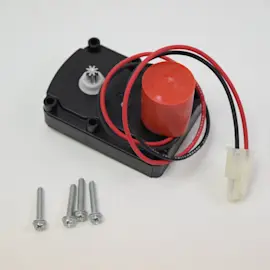
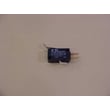
- Waterworks water softener rotor position switch 7030713 (helps the control know valve position)
Why it matters
A “recommended” softener is the one that matches your water hardness and flow needs, then stays consistent through proper regeneration and routine cleaning. When those basics are right, you get steady soft water, better appliance protection, and fewer salt and service headaches.
Last updated: January 2026