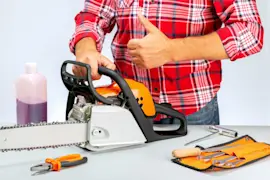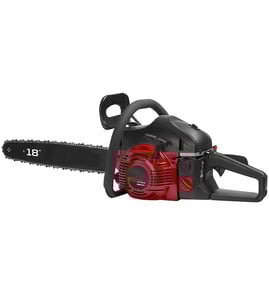



Can you still get parts for Homelite chainsaws?
Yes. We still offer replacement parts for Homelite chainsaws, including the Homelite Z3850-18 gas chainsaw, as long as the specific part is available for your model. Common service items like fuel system parts and carburetor-related hardware are often still obtainable.
Parts you can still get for Homelite Z3850-18
These are examples of parts currently listed for this model that commonly solve “won’t start,” “runs rough,” or “leaks fuel” complaints:
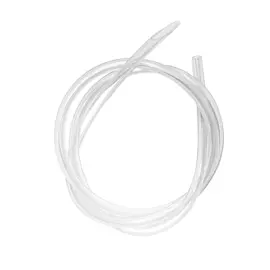
- Fuel line 0745416 for cracked, soft, or leaking fuel hose issues
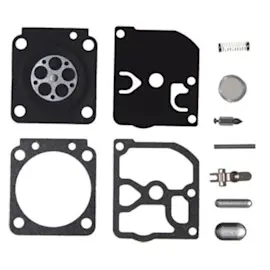
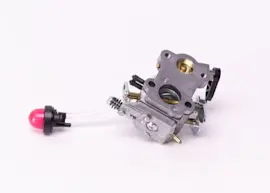
- Chainsaw carburetor assembly 06839 when the saw won’t idle or won’t stay running
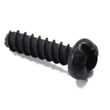
- Carburetor screw 06852 for damaged or missing carburetor mounting/adjustment hardware
- Filter 49422 when restricted airflow or fuel flow causes poor performance
- Cylinder assembly A08666 for low compression or severe internal wear
How to make sure you order the right part
Homelite chainsaws can have similar-looking components across models, so matching by model number and part ID matters.
- Confirm your model number is Z3850-18
- Match the part by part ID, not just the description
- Compare your old part’s shape, length, and connection style
- Replace fuel lines if they feel gummy, brittle, or loose on fittings
- If you are chasing a running issue, check fuel line, filter, and carburetor condition together
Quick “symptom to part” guide
| Symptom | Most common checks | Parts on this model page that may help |
|---|---|---|
| Won’t start | Fresh fuel mix, spark plug condition, fuel delivery | Fuel line, filter, carburetor assembly |
| Runs rough / won’t idle | Air/fuel restriction, carburetor issues | Filter, carburetor assembly |
| Leaking gas | Cracked line, loose connections | Fuel line |
Why it matters
Using model-matched parts helps your Z3850-18 start easier, run more consistently, and reduces fuel leaks that can damage components and create unsafe operating conditions.
For step-by-step repair help, use our DIY guide: how to replace chainsaw fuel lines.
Last updated: February 2026
How big of a tree will an 18 inch chainsaw cut?
An 18-inch bar on your Homelite Z3850-18 chainsaw typically cuts trees up to about 16 inches in diameter in a single pass. You can cut larger trunks by cutting from two sides, but the job gets slower and requires solid technique, a sharp chain, and strict safety habits.
What “18-inch” really means
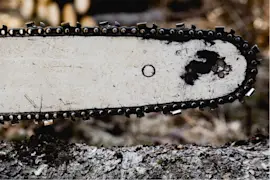
The 18-inch measurement is the guide bar length, not the maximum tree size. Real cutting capacity depends on:
- Bar length (usable cutting length)
- Chain sharpness and correct depth gauges
- Engine power and how hard you push the saw
- Wood hardness (oak cuts differently than pine)
- Whether you can safely reposition for a second cut
Practical diameter guidelines
Use these as reliable, real-world targets for an 18-inch gas chainsaw:
| Tree diameter | What to expect with an 18-inch bar | Recommended approach |
|---|---|---|
| Up to ~16 in. | Straightforward | One-pass cut when access is good |
| ~16 to ~24 in. | Very doable | Cut from both sides; keep the bar straight |
| Over ~24 in. | Possible but demanding | Only with experience; plan your cuts carefully |
Tips that make a big difference
- Keep the chain sharp; a dull chain forces you to push and increases kickback risk.
- Maintain proper chain tension; too loose can derail, too tight overheats.
- Let the saw do the work; steady throttle, light pressure.
- Avoid burying the bar tip; that is where kickback starts.
- If the saw bogs down, stop and reassess (chain condition, fuel mix, air flow).
Why it matters
Trying to cut a tree that is too large for your bar length increases binding, pinching, and kickback risk. For bigger diameters, performance depends more on chain condition and technique than on “raw bar length.” If your saw is running rough or lacks power, address that first before tackling larger wood.
Helpful DIY reading: how to prevent chainsaw injuries
Last updated: February 2026
How powerful is a 58cc chainsaw?
A 58cc gas chainsaw is a strong homeowner to light pro class saw; it typically produces about 3.0 to 4.0 horsepower, which is enough for storm cleanup, firewood, and felling or bucking small to medium trees with the right chain and bar setup. For your Homelite Z3850-18, overall cutting performance also depends heavily on fuel delivery and tune.
What “58cc” really tells you
58cc is the engine displacement (cubic centimeters). More cc usually means more torque, but real-world power depends on carburetor tuning, compression, exhaust flow, and how sharp the chain is.
Typical 58cc capability:
- Pulls an 18 to 20 inch bar well for most homeowner cutting
- Handles hardwood firewood with proper chain and raker depth
- Cuts faster with a sharp chain than with extra engine “cc”
- Feels noticeably stronger than many 40 to 50cc saws
What affects power on the Homelite Z3850-18
If your Z3850-18 feels weak, the issue is often fuel or air related, not the engine size.
Check these common power killers:
- Old fuel or incorrect 2-cycle mix ratio
- Restricted air filter or clogged spark arrestor screen
- Cracked or soft fuel line causing a lean condition
- Carburetor metering issues or out-of-adjustment mixture screws
- Low compression from wear (hard starting plus low power)
If you find fuel line damage, replacing the fuel line 0745416 restores consistent fuel flow and helps the saw accelerate and hold RPM under load.
Quick “power” comparison table
| Engine size | Typical horsepower | Common bar range | Best use |
|---|---|---|---|
| 40 to 45cc | 2.0 to 2.5 HP | 14 to 16 in. | Limbing, light firewood |
| 50 to 55cc | 2.7 to 3.5 HP | 16 to 18 in. | Firewood, storm cleanup |
| 58cc | 3.0 to 4.0 HP | 18 to 20 in. | Heavier firewood, small-medium trees |
Why it matters
Matching engine size to bar length and keeping the fuel system tight (no air leaks) prevents bogging, reduces overheating risk, and gives you safer, more predictable cutting.
For step-by-step starting and performance tips, use tips for a hard to start chainsaw.
Last updated: February 2026
What is an 18 inch chainsaw good for?
An 18-inch gas chainsaw like the Homelite Z3850-18 is best for medium-to-heavy cutting jobs: felling and bucking small-to-medium trees, cutting thick limbs, and processing firewood. It balances reach and cutting speed while still being manageable for most homeowners.
Best uses for an 18-inch bar
- Cutting firewood rounds and logs (typical backyard firewood work)
- Limbing and bucking after a tree is down
- Felling small-to-medium trees (when the trunk diameter fits safe cutting techniques)
- Storm cleanup and clearing downed branches
- Cutting dense brush and thicker saplings
When an 18-inch chainsaw is not the best choice
An 18-inch saw can be more tool than you need for light pruning. For frequent overhead limbing or tight spaces, a shorter bar is usually easier to control.
- Light pruning and small branches (a shorter bar is typically safer and less fatiguing)
- Extended overhead cutting (added reach increases fatigue and kickback risk)
- Very large trunks (you may need a longer bar and higher-power saw)
Quick sizing guide (typical homeowner tasks)
| Bar length | Best for | Typical tradeoff |
|---|---|---|
| 12 to 14 inch | Pruning, small limbs | Limited reach and cut capacity |
| 16 to 18 inch | Firewood, storm cleanup, medium trees | Heavier; more kickback potential |
| 20 inch and up | Larger trees, frequent bucking | More weight; needs more power |
Why it matters
Choosing the right bar length helps you cut faster with better control. With an 18-inch bar, sharp chain, proper chain tension, and reliable fuel delivery make a bigger difference in performance than raw bar length alone.
If your Z3850-18 struggles under load, common fixes include replacing cracked fuel tubing with the fuel line 0745416 and addressing fuel or carburetor issues using tips for a hard to start chainsaw.
Last updated: February 2026