Installation guide
 Owner’s manual


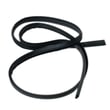
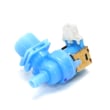
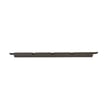
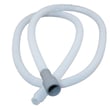
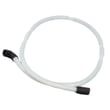
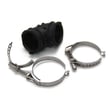
What are the parts of a Maytag dishwasher?
A Maytag dishwasher like model MDB4949SHW1 is built around a fill system, wash system, drain system, heating/drying system, and door/rack hardware. These assemblies work together to bring water in, spray and filter it, heat it, then drain it out while keeping the door sealed.
Main dishwasher systems and common parts
- Water fill system: water inlet valve, fill line, float/overfill protection
- Wash system: circulation pump and motor, sump, spray arms, filtration
- Heating and drying: heating element, thermostat/sensors (model dependent), rinse aid system
- Drain system: drain pump, drain hose, check valve/air gap (if installed)
- Door and racks: door latch, door seals, hinges/balance links, upper and lower racks, rack wheels
Model MDB4949SHW1 parts you will commonly see
Here are examples of real parts used on MDB4949SHW1 that match the systems above:
| System | Example part name | Part ID |
|---|---|---|
| Drain | Drain pump | WPW10348269 |
| Fill | Valve-water | WPW10327249 |
| Heating | Element assembly | W10703867 |
| Door | Dishwasher door latch | WPW10653840 |
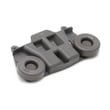
| Racks | Whirlpool dishwasher dishrack wheel | W10195416V |
Quick troubleshooting: which part to suspect
- Not draining: check the drain hose routing and air gap (if used); then suspect the drain pump
- Not filling: confirm water supply is on; then suspect the water inlet valve
- Not drying: verify heated dry options and rinse aid use; then suspect the heating element
- Door won’t latch or cycle won’t start: suspect the door latch
- Rack won’t roll smoothly: suspect worn rack wheels
Why it matters
Knowing the major assemblies helps you diagnose symptoms faster and order the correct replacement part for Maytag MDB4949SHW1, especially when issues involve water flow (fill or drain), heating, or door sealing.
For diagrams and model-specific component locations, we recommend checking the MDB4949SHW1 user instructions manual.
Last updated: February 2026
Does my Maytag dishwasher have a filter that needs to be cleaned?
Yes; the Maytag MDB4949SHW1 uses a built-in filtration system (Clean Water Wash) that continuously removes food particles, so there’s no routine filter removal or cleaning required for normal operation. For care steps and cycle guidance, follow the MDB4949SHW1 user instructions manual.
What you should clean instead (regular maintenance)
Even without a removable filter to scrub, cleaning these areas prevents odors, poor washing, and draining issues:
- Scrape large food scraps off dishes before loading.
- Wipe the door gasket area and inner door edges to remove residue.
- Check the bottom of the tub for labels, glass, bones, or debris.
- Clean the drain air gap (if your installation has one) when draining is slow.
- Use rinse aid as recommended to improve drying and reduce spotting.
Quick check: symptoms and what they usually point to
| Symptom | Most common cause | What to do first |
|---|---|---|
| Water left in bottom | Drain restriction or air gap clog | Clean air gap; check drain path |
| Dishes gritty | Heavy soil load or spray obstruction | Improve pre-scrape; verify spray arms spin freely |
| Poor drying | Rinse aid low or heat/dry issue | Refill rinse aid; confirm heated dry settings |
| Won’t start | Door not fully latched | Close firmly; follow start steps in the manual |
When a “filter problem” is really a drain problem
If you’re seeing standing water or hearing a hum during drain, the issue is typically the drain path or drain pump, not a dirty filter. On this model, a common repair part is the dishwasher drain pump WPW10348269.
Why it matters
This dishwasher’s filtration is designed to keep wash water cleaner automatically; focusing on loading, drain-path checks, and periodic interior cleaning keeps performance high without unnecessary disassembly.
Last updated: February 2026
What is the most common problem with a Maytag dishwasher?
The most common Maytag dishwasher complaints (including model MDB4949SHW1) are poor cleaning, not draining, and leaks. In many cases, the cause is loading, detergent, or maintenance (filter and spray-arm debris) rather than a failed component; start with the checks in the MDB4949SHW1 owner's manual.
Most common issues and what usually causes them
- Not cleaning well: blocked spray arms, overloaded racks, low water temperature, or detergent and rinse aid issues
- Not draining: clogged filter area, blocked drain hose or air gap, or a weak drain pump
- Leaking: door not fully latched, door seals worn, or loose hose connections
- Won’t start or stops: door not fully closed and latched, or items interfering with the door
- Not drying: rinse aid empty, heat option not selected, or heating circuit problem
Quick checks we recommend first (fast, no parts)
- Confirm the door closes fully and latches; remove anything that prevents the door from shutting.
- Clean the filter area and check the drain air gap (if your sink setup has one) when draining is slow.
- Use high-quality, premeasured detergent packs and keep rinse aid filled for daily care.
- Run hot water at the sink before starting a cycle to help cleaning performance.
- If you need to stop a cycle, use the Cancel/Drain steps in the manual so the tub can drain properly.
When a part is the likely cause
| Symptom | Common part involved | Example part for MDB4949SHW1 |
|---|---|---|
| Standing water, won’t drain | Drain pump or drain hose restriction | Dishwasher drain pump WPW10348269 |
| Not filling or fills slowly | Water inlet valve | Valve-water (WPW10327249) |
| Door won’t stay closed, won’t run | Door latch | Dishwasher door latch (WPW10653840) |
Why it matters
Catching the simple causes first (loading, filter, air gap, detergent, and door latch engagement) prevents repeat wash failures and helps you avoid unnecessary part replacement. It also protects the pump and hoses from working against clogs.
Last updated: February 2026
How to fix f9 e1 error code Maytag dishwasher?
On a Maytag MDB4949SHW1 dishwasher, the F9 E1 error points to a drain problem. We fix it by restoring proper water flow out of the tub: clear the drain path (air gap, hose, disposer or waste tee) and then test a short cycle per the MDB4949SHW1 installation guide.
What to check first (fast drain-path fixes)
- Turn off power at the breaker before accessing wiring or pumps.
- If you have a drain air gap, remove the cap and clean it (a common clog point).
- Inspect the drain hose for kinks, crushing, or a sag that traps water.
- If connected to a garbage disposer, confirm the disposer inlet knockout plug was removed.
- Check the sink drain or waste tee for blockage where the dishwasher hose connects.
Drain hose setup details that matter
The drain hose routing and connections affect how well the unit drains. The installation instructions call out using the rubber end of the drain hose, not cutting the ribbed section, and clamping connections securely.
| Item to verify | What “good” looks like | What causes F9 E1 symptoms |
|---|---|---|
| Hose routing | No kinks, smooth path | Kinked or pinched hose |
| Air gap (if used) | Clear and unobstructed | Grease or debris clog |
| Connection point | Tight clamp, no leaks | Loose clamp, partial blockage |
When a part is likely needed
If the hose and air gap are clear but the dishwasher still leaves water in the bottom, the drain pump can be the failure point.
- Loud humming with little or no draining
- Intermittent draining (works sometimes, then stops)
- Water remains after Cancel/Drain
For this model, the drain pump is dishwasher drain pump WPW10348269.
Why it matters
A restricted drain can leave dirty water in the sump, trigger repeated drain attempts, and cause poor cleaning and odor. Fixing the drain path usually clears the F9 E1 condition and prevents leaks at hose connections.
Last updated: February 2026