


Are Whirlpool washer parts interchangeable?
Whirlpool washer parts are sometimes interchangeable across models, but we only recommend using parts that are listed as compatible with your exact washer model, WFW90HEFC1. Even small design changes (connectors, mounting points, software revisions) can make a “similar” part fit poorly or cause leaks, noise, or error codes.
Parts can be interchangeable only when the replacement is an approved substitute for the same function and revision level.
Common examples where exact matching matters:
- Drain components: pump housing, electrical connector style, and flow rate
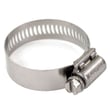
- Door sealing parts: boot shape, drain ports, and clamp sizes
- Suspension parts: damping rate and mounting geometry
- Electronic parts: control board and user interface programming
- Safety parts: door lock sensing and latch alignment
Use this checklist before ordering:
- Match the model number exactly: WFW90HEFC1
- Confirm the part is listed for the same symptom and location (drain, door, suspension)
- Compare connector count and plug shape on electrical parts
- Compare hose diameter and clamp style on water and drain parts
- Replace related wear items together when appropriate (boot plus clamp)
| If your issue is… | Part that often fixes it | Notes |
|---|---|---|
| Won’t drain, drains slowly | Pump asm,dra WPW10605427 | Also check for a clogged filter/coin trap and kinked drain hose. |
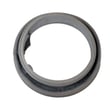
| Leaking at the door, mildew smell | Washer bellow W11106747 | Inspect for tears at the bottom folds and clean residue regularly. |
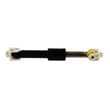
| Banging, walking, heavy vibration | Washer shock absorber W11415987 | Worn shocks can mimic an out-of-balance load. |
| Door won’t lock or won’t start | Washer door lock WPW10443885 | A misaligned strike can cause intermittent lock errors. |
Using the correct Whirlpool-compatible part for WFW90HEFC1 protects wash performance and prevents repeat failures. A “close enough” drain pump or door boot can create leaks, nuisance stopping, or premature wear on the tub and motor system.
If your washer is showing a code, start with Whirlpool duet he front load washer error codes to narrow the failure to the right system before ordering parts.
Last updated: February 2026
Can a clogged drain cause the F9E1 error?
Yes. On the Whirlpool WFW90HEFC1 washer, a clogged drain path is one of the most common reasons for an F9E1 drain error because the washer cannot pump water out fast enough to finish the cycle.
- Cancel the cycle and unplug the washer.
- Check the standpipe or sink drain for a slow household drain (water backing up).
- Inspect the drain hose for kinks, crushing, or being pushed too far down the standpipe.
- Look for lint, coins, socks, or debris in the pump cleanout area (if accessible).
- Run a Drain/Spin after clearing the blockage to confirm normal draining.
| Where it clogs | What you might notice | Typical fix |
|---|---|---|
| Drain hose | Slow drain, gurgling, intermittent F9E1 | Straighten hose, clear obstruction |
| Drain pump area | Hums but won’t drain, water left in tub | Clear debris; replace pump if damaged |
| House drain/standpipe | Washer drains then backs up | Clear plumbing restriction |
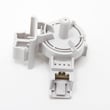
If the drain path is clear but the washer still drains slowly, the drain pump can be weak, jammed, or electrically failing. For WFW90HEFC1, the drain pump assembly commonly replaced is the pump asm,dra WPW10605427.
Other symptoms that point to a pump issue:
- Pump runs loudly or makes grinding noises
- Drains sometimes, then fails on the next load
- Leaves water in the tub even with an empty hose
F9E1 is not just an inconvenience; repeated slow-drain events can leave water in the tub, cause odor, and stop the washer from advancing to spin, which leaves clothes soaking wet.
Last updated: February 2026
What is the average life expectancy of a front load washer?
Front-load washers typically last 10 to 11 years with normal household use. For a Whirlpool front-load washer like WFW90HEFC1, consistent cleaning, correct detergent use (HE), and quick repairs to leaks or draining problems are what most often push lifespan closer to the high end.
- Loads per week: more cycles equals faster wear on bearings, shocks, and the drain system.
- Overloading: strains the tub, suspension, and motor drive components.
- Moisture and residue: leads to odor, mold, and boot deterioration.
- Water quality: hard water increases scale and can shorten valve and pump life.
- Small issues left unfixed: slow drains and minor leaks often become major failures.
| Usage pattern | Typical life | Notes |
|---|---|---|
| Light (1 to 3 loads/week) | 11 to 14 years | Best case with good care |
| Average (4 to 7 loads/week) | 10 to 11 years | Most households |
| Heavy (8+ loads/week) | 7 to 10 years | Higher wear on suspension and drain parts |
- Run a monthly cleaning cycle; wipe the door area afterward.
- Leave the door slightly open between loads to dry the bellow.
- Use HE detergent and avoid overdosing.
- Check pockets; coins and debris commonly damage the drain pump.
- Inspect the door seal for tears and residue; replace if it starts leaking.
A front-load washer’s most expensive repairs often involve water leaks, vibration, or no-drain conditions. Catching those early can prevent secondary damage to the control, motor system, and cabinet.
| Symptom | Common part involved | Example for this model |
|---|---|---|
| Won’t drain, loud humming | Drain pump | Pump asm,dra WPW10605427 |
| Water leaking at door, odor buildup | Door boot/bellow | Washer bellow W11106747 |
| Excessive shaking or banging | Shock absorber | Washer shock absorber W11415987 |
If you’re seeing an error code along with the problem, use Whirlpool duet he front load washer error codes to narrow the failure down before ordering parts.
Last updated: February 2026
What is the most common problem with front load washers?
The most common problem we see with front-load washers like Whirlpool WFW90HEFC1 is odor caused by moisture, detergent residue, and buildup around the door seal area. Over time, that same damp environment can also lead to visible mildew on the door boot and occasional small leaks.
Odor and mildew are typically a maintenance and airflow problem, not a “broken washer” problem.
- Water stays trapped in folds of the door boot after cycles
- Too much HE detergent or too much fabric softener leaves residue
- Frequent cold-water washing allows buildup to accumulate
- The door stays closed between loads, so the tub cannot dry
- A partially restricted drain path can leave extra water behind (sometimes tied to the drain pump)
These habits reduce smells and help protect parts such as the door boot and drain system.
- Leave the door cracked open for a few hours after the last load
- Wipe the door boot folds dry, especially at the bottom
- Use the correct amount of HE detergent (less is usually better)
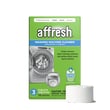
- Run a monthly cleaning cycle (hot water cycle with washer cleaner)
- Check pockets and avoid excess suds that can slow draining
| Symptom | Most likely area | What to check first |
|---|---|---|
| Musty smell | Door boot and tub | Drying habits, cleaning cycle |
| Black spots on rubber | Door boot | Clean boot folds, improve drying |
| Small drip at door | Door boot or clamp | Inspect boot lip and seating |
| Water left in tub | Drain system | Filter/coin trap area, pump noise |
If the boot is torn, deformed, or won’t seal after cleaning, replacement is the lasting fix; for this model, the matching part is the washer bellow W11106747. If the washer is not draining well and you hear humming or intermittent draining, the pump asm,dra WPW10605427 is a common suspect.
Odor and mildew can transfer to clothes, and residue buildup can eventually contribute to leaks, poor draining, and longer cycle times. Keeping the door area clean and dry helps your Whirlpool front-load washer run more efficiently and protects high-wear parts.
Last updated: February 2026