Owner’s manual
 Error Codes


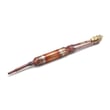

Are KitchenAid side by side refrigerators good?
KitchenAid side-by-side refrigerators, including model KRSF705HPS01, are a strong choice when you want consistent cooling, easy access to both fresh food and freezer items, and widely available maintenance parts like filters and ice maker components. Long-term performance depends most on proper setup, airflow, and routine filter changes.
What “good” means for a side-by-side refrigerator
A side-by-side design is usually a good fit when you prioritize organization and convenience over extra-wide shelves.
Common strengths
- Narrow door swing compared to many French door models (helpful in tighter kitchens)
- Eye-level access to fresh food and freezer sections
- Built-in dispenser models make water and ice convenient
- Straightforward routine maintenance (air filter, water filter, cleaning)
Common tradeoffs
- Less space for very wide platters or pizza boxes
- Freezer can feel narrower for bulky items
- Performance drops if vents are blocked or doors do not seal tightly
What we look for on KRSF705HPS01 specifically
KitchenAid supports this platform with standard consumables and serviceable components.
| What to maintain | What it affects | Example part for KRSF705HPS01 |
|---|---|---|
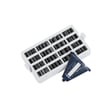
| Air filtration | Odors, food freshness | Refrigerator air filter W10311524 |
| Water delivery | Dispenser flow, ice production | Refrigerator water inlet valve WPW10341320 |
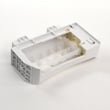
| Ice production | Ice output and harvesting | Refrigerator ice maker W10873791 |
How to keep it “good” for years
These steps prevent the most common complaints (warm temps, odors, slow water, weak ice production).
- Set temps to typical targets: 37°F fresh food, 0°F freezer
- Keep air vents clear in both compartments
- Replace filters on schedule and reset the filter indicator when required
- Confirm doors close fully and gaskets seal all the way around
- Clean condenser area periodically to support efficient cooling
Why it matters
Most “bad refrigerator” experiences come from restricted airflow, dirty heat-exchange surfaces, or overdue filters, not from the brand itself. Following the care and use guidance in the KRSF705HPS01 owner’s manual helps maintain stable temperatures and reduces odor and dispenser issues.
Last updated: February 2026
Do I need to empty the refrigerator drain pan?
For our KitchenAid KRSF705HPS01 side-by-side refrigerator, you typically do not need to empty the drain pan. During normal operation, defrost water drains into the pan and evaporates from condenser heat; you only deal with the pan when there’s an odor, overflow, or a leak condition (see the KRSF705HPS01 owner's manual).
When you would empty or clean the drain pan
Plan to access and clean the pan if you notice any of the following:
- Water puddles under or behind the refrigerator
- Sour or “spoiled milk” odors that persist after cleaning the interior
- Evidence of a door seal leak or frequent door left ajar (excess moisture)
- A recent spill that ran into vents or down the back wall
- Pet hair and dust buildup around the condenser area that traps moisture and odor
Quick checks before you touch the drain pan
In many cases, the pan is a symptom, not the root cause. We recommend these checks first:
- Confirm doors close fully and aren’t held open by bins or food packages
- Make sure the refrigerator is level so water drains correctly
- Check for ice buildup in the freezer that could indicate a defrost drain restriction
- Clean condenser area dust buildup (improves evaporation and reduces odor)
- If you have dispenser dripping after filter changes, flush the water system per the manual
What to do if the pan smells or overflows
- Unplug the refrigerator (or switch off the breaker) before servicing.
- Remove the toe grille or rear access panel (access varies by installation).
- Slide out the drain pan carefully and avoid spilling.
- Wash with warm water and mild detergent; dry completely.
- Reinstall the pan and restore power.
Helpful reference
| Symptom | Most common cause | Best next step |
|---|---|---|
| Pan smells | Old spill or stagnant water | Clean pan and condenser area |
| Pan overflowing | Drain restriction or excess humidity | Check drain path and door sealing |
| Water on floor | Leak, drain issue, or door left open | Inspect source before cleaning pan |
Why it matters
The drain pan is designed to evaporate water automatically. If it’s filling or smelling, addressing airflow, door sealing, and drain flow prevents repeat puddles, odors, and moisture-related issues.
Last updated: February 2026
How do I tell how old my KitchenAid is?
To tell how old your KitchenAid refrigerator is, we use the model and serial number from the ID tag on your KitchenAid KRSF705HPS01. The serial number contains the manufacturing date code; once you record it, you can match it to the date chart in the KRSF705HPS01 owner's manual.
Where to find the model and serial number
On most KitchenAid side-by-side refrigerators, the ID tag is inside the fresh food compartment (often on a side wall) or near the door opening.
Use this quick checklist:
- Open the refrigerator door and look along the cabinet walls near the front edge
- Check near the crisper drawer area and side walls
- Write down the full serial number exactly as shown (letters and numbers)
- Confirm the model reads KRSF705HPS01 (not a similar model)
- Take a clear photo of the tag for reference
How to decode the age from the serial number
KitchenAid refrigerators commonly use a serial format where specific characters represent the production year and production week.
Typical decode approach:
- Identify the year code character in the serial number
- Identify the week-of-year digits that follow (often two numbers)
- Convert the week number to an approximate build date range
- If the year code repeats across decades, use the refrigerator’s features and purchase timeframe to select the correct decade
Quick example (format only)
| Serial number piece | What it usually means | What you do with it |
|---|---|---|
| Year code (letter/number) | Production year | Match to the year chart |
| Week digits (01-52) | Production week | Estimate build month |
Why it matters
Knowing the build date helps us choose the right KitchenAid parts (like a water inlet valve, door switch, or ice maker) and confirm which version of a component your KRSF705HPS01 uses before you order.
Last updated: February 2026
What is the disadvantage of a side-by-side fridge?
A key disadvantage of a side-by-side refrigerator like the KitchenAid KRSF705HPS01 is the tall, narrow layout; it limits space for wide items (pizza boxes, party platters) and can make it harder to organize large fresh-food containers. For model-specific features and control details, use the KRSF705HPS01 user guide.
Common drawbacks you will notice day to day
- Narrow shelves: wide containers often will not sit flat without rearranging.
- Less “full-width” storage: large trays and sheet pans are harder to fit than in many French door designs.
- More door swing clearance: both doors need room to open fully for easy access to bins and drawers.
- Dispenser tradeoffs (if equipped): ice and water features can reduce door-bin space.
- Organization can feel split: groceries spread across two tall compartments instead of one wide fresh-food area.
Quick comparison: side-by-side vs French door (typical)
| Feature | Side-by-side (like KRSF705HPS01) | French door (typical) |
|---|---|---|
| Fits wide platters/pizza boxes | Lower | Higher |
| Frozen-food visibility | Higher (eye-level shelves) | Medium (drawer style) |
| Fresh-food “full-width” space | Medium to lower | Higher |
| Door-bin storage | Medium (often reduced by dispenser) | Medium to higher |
Why it matters
If you regularly store wide leftovers, meal-prep trays, or entertaining platters, the side-by-side format can create more reshuffling and temperature swings from longer door-open time. On the other hand, many owners prefer the easy access to freezer shelves at eye level.
Last updated: February 2026
What is the life expectancy of a KitchenAid refrigerator?
Most KitchenAid refrigerators, including the KitchenAid KRSF705HPS01 side-by-side, have a typical life expectancy of 12 to 15 years with normal household use and basic maintenance. Many units run 10 to 17 years, and consistent cleaning, correct temperatures, and timely filter changes help you reach the higher end.
Typical lifespan and what to expect
Refrigerators usually wear out from sealed-system strain, airflow problems, or water and ice system issues. Your KRSF705HPS01 documentation also highlights long coverage on the sealed refrigeration system, which is the most expensive group of components to repair.
- Typical range: 10 to 17 years
- Most common average: 12 to 15 years
- Best-case outcomes: 15+ years with steady maintenance
- Most important habits: stable temps, clean airflow paths, replace filters on schedule
Maintenance that extends life (and prevents common failures)
Use these habits to reduce compressor run time, prevent frost buildup, and keep the ice maker and dispenser reliable:
- Keep fresh food near 37°F and freezer near 0°F (avoid frequent setting changes)
- Clean condenser area and ensure good airflow around the cabinet
- Don’t block interior vents; keep the air tower and return vents clear
- Replace the air filter regularly (odor control also reduces “stale” airflow complaints)
- Replace water filters on schedule and purge air after changes
- Fix door sealing issues quickly (warm air causes frost and longer run times)
Helpful model-related resources
- For model-specific care, temperature guidance, and warranty details, use the KRSF705HPS01 user guide.
- For water filter replacement steps, use how to replace the water filter in a KitchenAid refrigerator.
Parts that commonly affect longevity
These parts do not define the full lifespan by themselves, but they are frequent sources of performance complaints when they get dirty, worn, or restricted.
| System | What you notice | Example part for KRSF705HPS01 |
|---|---|---|
| Odor and airflow freshness | Food odors linger, “stale” fridge smell | Refrigerator air filter W10311524 |
| Water and ice fill | Slow ice production, no water at dispenser | Refrigerator water inlet valve WPW10341320 |
| Cooling airflow | Warm spots, noisy airflow, uneven temps | Refrigerator evaporator fan blade WP2169142 |
Why it matters
A refrigerator that runs warmer than normal or runs constantly wears the sealed system harder. Keeping airflow clear, doors sealing, and filters fresh helps the KRSF705HPS01 cool efficiently, which directly supports a longer service life.
Last updated: February 2026
What is the most common problem with a KitchenAid refrigerator?
For the KitchenAid KRSF705HPS01 side-by-side refrigerator, the most common service issues we see are ice maker and water dispensing problems, followed by cooling complaints caused by restricted airflow or frost buildup. Many of these symptoms trace back to water supply parts, fan airflow, or routine maintenance covered in the KRSF705HPS01 owner's manual.
Most common symptoms customers report
- Ice maker not making ice, slow ice production, or hollow cubes
- Water dispenser slow, sputtering, or not dispensing
- Refrigerator section too warm (often the upper area)
- Unusual noises (fan-related buzzing or rubbing)
- Water leaks or puddles (inside or under the unit)
Quick checks that solve a lot of “common problems”
We recommend starting with these basics before replacing parts:
- Confirm the water shutoff valve is fully open and the supply line is not kinked.
- Replace the water filter on schedule; then flush the water system after installing the new filter (the manual calls this out after filter installation).
- Make sure vents inside the fresh food and freezer sections are not blocked by food packages.
- Clean condenser coils (dust buildup can cause warmer temps and longer run times).
- If you hear a fan noise, check for frost or ice contacting the fan area.
Parts that commonly relate to these problems
If troubleshooting points to a failed component, these model-compatible parts are often involved:
| Problem area | Common suspect part | What it affects |
|---|---|---|
| No water or no ice | Refrigerator water inlet valve WPW10341320 | Water flow to dispenser and ice maker |
| Ice maker not working | Refrigerator ice maker W10873791 | Ice production and harvest |
| Warm temps, noise | Refrigerator evaporator fan blade WP2169142 | Air circulation across the evaporator |
| Odors (not a failure, but common) | Refrigerator air filter W10311524 | Helps reduce food odors |
Why it matters
Ice and water issues can look like “the refrigerator is broken,” but they are often caused by a filter change that needs flushing, low water pressure, or a valve that is not opening fully. Cooling complaints are frequently airflow-related; restoring airflow prevents temperature swings and helps protect food.
Last updated: February 2026
Why is my KitchenAid side by side refrigerator leaking water?
For a KitchenAid KRSF705HPS01 side-by-side refrigerator, water leaks usually come from the defrost drain (ice buildup and overflow), a water supply connection or valve issue, or a filter/housing that is not fully seated. Start by identifying whether the leak is clean water (supply side) or dirty water (defrost/drain side) using the steps in the KRSF705HPS01 owner’s manual.
Quick checks to pinpoint the leak source
- Look at the water:
- Clear, clean water usually points to the water line, filter area, or inlet valve.
- Cloudy water or water with debris often points to the defrost drain pan/drain tube.
- Check where it appears:
- Under the front near the dispenser: often filter/housing or inlet valve.
- Under the freezer side: often defrost drain or ice maker fill.
- Inside the fresh food section (bottom shelf/crisper area): often clogged drain.
- Inspect the filter area: make sure the filter cover door closes fully and the filter is seated; the manual notes you may need to press firmly to snap it into place.
Most common causes (and what to do)
| Likely cause | What you’ll notice | What we recommend |
|---|---|---|
| Clogged/iced defrost drain | Water pooling inside or leaking after defrost cycles | Clear ice/debris from the drain opening; flush with warm water |
| Loose or damaged water line connection | Drips behind unit or under cabinet | Tighten fittings; inspect tubing for cracks/kinks |
| Water inlet valve leaking | Slow seep even when not dispensing | Test/replace the refrigerator water inlet valve WPW10341320 |
| Filter housing or filter not seated | Leak near filter compartment | Reseat filter; inspect/replace the refrigerator water filter housing WPW10394053 if cracked |
Step-by-step: what we do first
- Turn off the water supply to the refrigerator.
- Pull the unit forward and check the water line and fittings for active drips.
- Dry everything, then place paper towels under suspect areas to see where water returns.
- Reseat the water filter and flush the system per the dispenser instructions in the manual.
- If the leak persists, inspect the inlet valve and the filter housing for hairline cracks.
Why it matters
A small leak can warp flooring, cause ice buildup in the freezer, and lead to poor ice maker or water dispenser performance. Fixing the source early also helps protect the sealed system area from corrosion and moisture damage.
For filter-related leaks or recent filter changes, follow our how to replace the water filter in a KitchenAid refrigerator steps to confirm correct installation.
Last updated: February 2026