Installation guide
 Owner’s manual
 Error Codes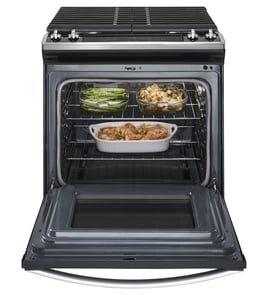


What kind of gas is used for a gas stove?
The Hotpoint RGB530DEP1WW gas range is set up from the factory for natural gas. It can also be converted to LP (liquid propane) gas, but the pressure regulator and burner orifices must be converted before operating on LP. See the installation guide.
Gas types you can use (and what that means)
Most home gas ranges use one of these fuels:
- Natural gas (NG): piped utility gas; this model is set for NG by default
- LP (propane): bottled/tank gas; requires a conversion on this model
- Do not mix parts/settings: running LP through NG settings (or vice versa) causes poor combustion and unsafe flames
Quick comparison
| Fuel type | Typical home supply | RGB530DEP1WW setup | What you must do |
|---|---|---|---|
| Natural gas | Utility line | Factory setting | Install and adjust per instructions |
| LP (propane) | Tank/bottle | Convertible | Convert regulator and orifices before use |
How to tell if your range is burning the right gas
After installation or conversion, flame appearance is a practical check:
- Bake and broil flames should have an inner cone roughly 1/2 to 3/4 inch long
- Soft blue flames are normal for natural gas
- With LP gas, some yellow tipping on the outer cone is normal
- Large yellow flames, soot, or strong odor means the air shutter and/or conversion settings need attention
Why it matters
Using the correct gas type and correct conversion parts protects the oven burner and surface burners, helps the range heat properly, and reduces the chance of soot, carbon monoxide, and overheating from incorrect flame size.
Last updated: February 2026
Why is my GE gas stove not igniting?
On the Hotpoint RGB530DEP1WW gas range, a “won’t ignite” problem is usually caused by no electrical power to the ignition system, a dirty or misaligned burner/igniter area, or a gas supply issue (shut-off valve closed or incorrect gas type setup). Use the owner's manual for model-specific lighting and safety steps.
Quick checks (start here)
- Confirm the range has power (electric ignition needs electricity for spark and oven ignition).
- Make sure the gas shut-off valve is fully open.
- Verify the burner cap is seated correctly and the burner ports are not clogged.
- Clean and dry the igniter area; moisture and food debris can block sparking.
- If you recently moved the range, confirm it is level; use a range leveling leg WB02K10182 if a leg is missing or damaged.
Power and ignition basics for this model
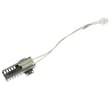
Electric ignition models require electrical power to operate. During a power outage, the oven and broiler cannot be lit, and gas will not flow to the oven burner unless the igniter (glow bar system) is hot.
What you should see
| Symptom | Most likely cause | What to do |
|---|---|---|
| No clicking/sparking at any top burner | No power, failed ignition circuit, or wiring issue | Check outlet/breaker; inspect wiring; test components safely |
| Clicking but no flame | Gas off, clogged ports, wet burner | Open gas valve; clean and dry burner parts |
| One burner won’t light, others do | Dirty burner, bad valve/igniter at that burner | Clean burner; inspect the burner valve and igniter area |
Gas type and conversion (important)
This range ships set up for natural gas. If you are using LP (propane), the pressure regulator and burner orifices must be converted before operating, or you can get high flames and unsafe combustion.
- If flames are unusually high or yellow, stop using the range and follow the conversion steps in the installation guide.
- For burner fuel metering parts, see items like the range surface burner orifice WB28K10023 in the parts list for this model.
Why it matters
Ignition problems are not just inconvenient; unburned gas, improper flame, or operating on the wrong fuel setup can create unsafe conditions and poor cooking performance.
Last updated: February 2026
Is it worth fixing a gas stove?
Yes, it’s worth fixing a Hotpoint gas range like model RGB530DEP1WW when the problem is a single, diagnosable failure (burner ignition, oven temperature control, door seal, or light) and the repair cost is clearly lower than replacing the range. Replacement makes more sense when multiple major gas or control components are failing or the range has ongoing safety-related performance issues.
Quick decision checklist
- The range heats normally and the issue is isolated (one burner, oven light, door not sealing).
- You can identify the failed part and access it safely.
- The repair restores safe combustion (steady blue flame for natural gas; slight yellow tipping is normal on LP).
- The repair is not a major gas-system overhaul.
- The range is otherwise in good condition (no repeated breakdown pattern).
Common “worth fixing” repairs for RGB530DEP1WW
These are typical, targeted fixes that often bring the range back to normal operation:
| Symptom | Likely area | Example part on this model page |
|---|---|---|
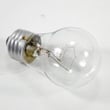
| Oven light out | Bulb or socket | 40a15bulb 40A15, range light socket WB08T10026 |
| Oven door leaks heat, uneven baking | Door seal | Door gasket WB35X29720 |
| Range rocks or won’t sit level | Leveling hardware | Range leveling leg WB02K10182 |
When replacement is the better call
Choose replacement when one or more of these apply:
- You smell gas, see persistent yellow flames on natural gas, or flames are unstable (service is required before continued use).
- Multiple high-cost components are failing (for example, gas valve plus controls).
- The oven temperature control system is failing repeatedly (thermostat/control issues can add up).
- The range needs conversion work you are not equipped to do safely.
Why it matters
A gas range must burn fuel cleanly and vent properly. The manual notes that properly adjusted burners show a bluish flame (natural gas) and that ventilation helps minimize exposure to combustion byproducts. Use the owner's manual for flame-quality guidance and safe operating practices.
Last updated: February 2026