


What is the rough opening for a GE dishwasher?
For a GE dishwasher like model GDF570SSJ5SS, the rough cabinet opening is typically 24 inches wide, 24 inches deep, and about 34-1/2 inches high (floor to underside of the countertop). Plan for about 25-1/2 inches of clearance in front so the door can open fully.
- Width: 24 inches minimum between cabinets
- Depth: 24 inches minimum from cabinet face to back wall
- Height: about 34-1/2 inches from finished floor to countertop underside
- Front clearance: about 25-1/2 inches minimum for door swing
- Flooring: measure with the finished floor in place (tile, LVP, etc.)
| Measurement | Typical minimum | Why you need it |
|---|---|---|
| Opening width | 24 in. | Lets the tub and frame slide in without binding |
| Opening depth | 24 in. | Prevents the unit from sticking out past cabinets |
| Opening height | ~34-1/2 in. | Ensures the dishwasher fits under the countertop |
| Door clearance | ~25-1/2 in. | Allows the door to open for loading and service |
- Opening is too short: Check if new flooring raised the unit; adjust leveling legs or confirm countertop height.
- Unit won’t slide in: Look for a pinched drain hose or power cord behind the dishwasher.
- Door hits an adjacent cabinet or wall: Confirm the dishwasher is centered and the cabinet faces are square.
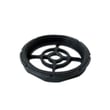
- Leaks after install: Recheck the tub seal area; a worn gasket can contribute (see dishwasher tub gasket WD08X23477).
A correct rough opening prevents installation headaches, reduces vibration and rubbing, and helps the door seal and latch align properly so the dishwasher fills, washes, and drains normally.
Last updated: January 2026
What is the most common problem with GE dishwashers?
The most common problems we see on GE dishwashers like model GDF570SSJ5SS are draining failures (water left in the tub), start issues (often tied to the door not latching), and poor cleaning from low spray pressure caused by clogs or worn spray components.
- Won’t drain or drains slowly: clogged filter area, blocked drain hose, or a weak drain pump.
- Has power but won’t start: door not fully latched, latch switch problem, or control issue.
- Not cleaning well: clogged spray arm holes, low circulation, or diverter problems.
- Not drying: heater circuit issue, rinse aid problems, or cycle selection.
- Leaks: tub gasket wear, loose hose connections, or door sealing issues.
- Cancel the cycle and run a drain function; listen for the drain pump running.
- Check the bottom of the tub for standing water and clear visible debris.
- Inspect the drain path for kinks or a high loop issue under the sink.
- Spin the spray arms by hand; they should rotate freely and not be clogged.
- Close the door firmly; if it feels “mushy” or doesn’t click, focus on the latch area.
| Symptom | Common fix area | Example part for this model |
|---|---|---|
| Water left in tub | Drain system | Drain pump asm WD19X24829 |
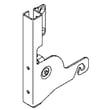
| Won’t start or stops mid-cycle | Door latch circuit | GE dishwasher door latch lock WD21X10490 |
| Poor cleaning, gritty dishes | Wash circulation and spray | Dishwasher spray arm, lower WD22X33499 |
| Not drying | Heating circuit | Dishwasher heating element WD05X30818 |
If your display is showing a fault code, match it to the symptom before replacing parts. We use these references most often for GE electronic models:
Drain and wash-pressure problems can look like “bad detergent” or “bad cycles,” but they usually come from a restriction (clog), a failing pump, or a door latch that prevents the dishwasher from running correctly. Fixing the root cause restores cleaning, prevents odors, and avoids repeat shutdowns.
Last updated: January 2026
Is it worth fixing a GE dishwasher?
Yes, it’s usually worth fixing a GE dishwasher like model GDF570SSJ5SS when the problem is a common wear item or a single failed component and the total repair cost stays well below the cost of replacement; it’s less worth it when multiple major systems are failing at the same time.
- Repair when the dishwasher is cleaning well overall and you’re dealing with one clear failure (drain, heat, latch, spray).
- Replace when you’re stacking multiple symptoms (won’t start plus leaks plus poor cleaning) or you’ve already replaced major parts recently.
- Decide by total cost: parts + labor + your time.
These are frequent fixes that can restore performance without replacing the whole unit:
- Poor cleaning from a clogged or cracked spray arm: dishwasher spray arm, lower WD22X33499
- Not drying or not heating properly (after confirming hot water supply): dishwasher heating element WD05X30818
- Won’t start because the door won’t latch consistently: GE dishwasher door latch lock WD21X10490
- Not draining due to a weak pump (after checking filters and hose routing): drain pump asm WD19X24829
If you’re seeing any of these patterns, replacement is typically the better value:
- Repeated electrical issues (dead UI, intermittent power, random stopping)
- Multiple leaks from different areas (door, tub seal, hoses)
- Loud grinding plus poor wash performance (often points to pump or diverter wear)
- Rusted racks and chronic odor issues combined with other failures
| Scenario | Typical complexity | Typical outcome |
|---|---|---|
| Spray arm or latch issue | Low | Restores cleaning or starting reliability |
| Drain problem (hose, pump) | Medium | Restores draining and prevents standing water |
| Heat problem (element) | Medium | Improves drying and wash temperature |
| Control or UI problem | Medium to high | Can fix “won’t start”, but costs more |
A dishwasher that can’t heat, drain, or spray correctly will waste water and detergent and leave residue on dishes. Fixing the specific failed part often brings the GE GDF570SSJ5SS back to normal performance without the cost and hassle of a full replacement.
For troubleshooting help before you buy parts, use GE dishwasher error codes.
Last updated: January 2026
How long should dishwashers run?
A typical run time for the GE GDF570SSJ5SS dishwasher is about 1.5 to 3 hours on Normal, with longer times (often 3 to 4+ hours) on heavy or energy-saving cycles. Longer cycles are normal because the dishwasher uses lower water and energy while still reaching cleaning temperatures.
Cycle length varies by soil level, incoming water temperature, and options like heated dry.
- Normal: about 1.5 to 3 hours
- Heavy: about 2.5 to 4 hours
- 1-hour/express (if equipped): about 1 to 1.5 hours
- Auto/Smart (if equipped): about 2 to 4 hours (adjusts based on soil)
- Sanitize/High temp options: add 20 to 60+ minutes
| What you see | What it usually means | What to do |
|---|---|---|
| Cycle seems “too long” | Energy-saving wash logic, extra heating time | Let it finish; check hot water supply |
| Time jumps up or down | Sensor-based adjustments | Normal behavior |
| Stops and sits quietly | Heating or pause between wash/drain | Wait 10 to 20 minutes |
| Ends but dishes are wet | Drying option not selected or heater issue | Try heated dry; check heater circuit |
These steps help the GE GDF570SSJ5SS finish on time and clean well.
- Run the kitchen hot water until it is hot before starting the cycle.
- Avoid overloading; keep spray paths clear (especially the lower spray arm).
- Clean the filter area and remove debris from the sump.
- Use fresh detergent and the right amount for your water hardness.
- If you see an error, use GE electronic dishwasher error codes to match symptoms to likely causes.
If the dishwasher is repeatedly extending cycles or not heating, these parts are common suspects.
- Dishwasher heating element WD05X30818 (water not heating, poor drying)
- Dishwasher circulation pump assembly WD26X23258 (weak wash pressure, long wash)
- Dishwasher spray arm, lower WD22X33499 (clogged jets reduce cleaning efficiency)
Cycle time is tied to cleaning and drying performance. When the dishwasher has to reheat water, compensate for low wash pressure, or rewash due to poor circulation, it can add significant time and still leave spots or moisture.
Last updated: January 2026





