Installation guide
 Owner’s manual
 Error Codes


How do I find the model number on my JES9800BAS?
On a Jenn-Air range like JES9800BAS, the model number is printed on a rating label attached to the appliance. We use that exact model number to match the correct diagrams and replacement parts for your specific configuration.
Most common places to check on a range
- Door frame: Open the oven door and look along the frame (often on the left or right side)
- Storage drawer area: Pull out the bottom drawer and look on the frame behind it
- Lower front frame: Near the anti-tip bracket area behind the toe kick (if accessible)
- Side trim: Occasionally on the side frame just inside the door opening
What the label looks like
- A silver or white sticker or metal plate
- Shows MODEL and often SERIAL
- May include electrical ratings (volts/amps) and manufacturing codes
Tips to avoid mix-ups
- Copy the model number exactly, including any letters at the end
- If the label is greasy or faded, wipe gently and use a flashlight
- Take a clear photo; it helps when ordering parts like a control panel or bake element
Model vs. serial number
| Label item | What it’s used for | Example |
|---|---|---|
| Model number | Correct parts and diagrams | JES9800BAS |
| Serial number | Production run details | Varies |
Why it matters
Ranges can look identical but use different elements, controls, or wiring harnesses. Using the exact model number prevents ordering the wrong part and saves time on repairs.
For a visual walkthrough, use how to find your appliance model number (and what it means for parts) or check the identification section in the JES9800BAS owner's manual.
Last updated: March 2026
How do I troubleshoot my JES9800BAS?
To troubleshoot your Jenn-Air electric range JES9800BAS, start by identifying whether the problem is power, heating, door/lock, or downdraft ventilation. Then do a few safe checks (breaker, settings, visible damage) before testing parts like elements, switches, or thermostats.
Step 1: Do the fast, safe checks
- Confirm the range has power; check the double breaker (ranges typically use 240V)
- Make sure the control is not in a timed mode or locked mode
- Inspect for a burning smell or melted wiring; stop using the range if present
- For downdraft models, check airflow and clean the grease filter
Step 2: Match symptoms to likely causes
| Symptom | Most likely causes | Parts often involved |
|---|---|---|
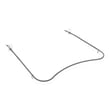
| Oven will not bake | Failed bake circuit | Bake element WPW10310274, safety thermostat |
| Oven heats poorly/uneven | Weak element, heat leak | Door gasket WPW10162384, bake element |
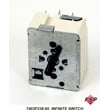
| Surface burner stuck high/low | Failed infinite switch | Surface element control switch |
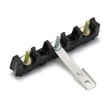
| No power or intermittent power | Loose cord connection | Terminal block WPW10245259 |
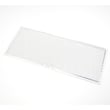
| Downdraft weak | Clogged filter, blower issue | Range downdraft vent grease filter WP71002111, blower wheel |
Step 3: Basic testing approach (when you are comfortable)
- Unplug the range or shut off the breaker before accessing wiring
- Visually inspect elements for blisters, cracks, or burn spots
- Use a meter to check continuity on heating elements and thermostats
- Recheck wire terminals for tight, clean connections
For meter basics, use how to use a multimeter to test electrical parts video. For wiring repairs, use how to repair broken or damaged wires video.
Why it matters
Troubleshooting by symptom prevents unnecessary part swaps and helps you focus on the highest-failure items first (heating elements, door seals, switches, and power connections).
For model-specific operating steps and any diagnostic notes, use the JES9800BAS owner's manual.
Last updated: March 2026
What is the average lifespan of JES9800BAS?
A Jenn-Air electric range like model JES9800BAS typically lasts 13 to 15 years with normal household use and basic maintenance. Keeping the oven door seal tight, elements heating evenly, and electrical connections secure helps you reach that lifespan; see the JES9800BAS owner's manual for care and operating guidance.
What affects lifespan most
- Heavy high-heat use (broil and self-clean cycles) shortens component life
- Power surges and loose wiring can damage controls and terminal connections
- Worn door seals let heat escape, forcing longer bake times
- Spills and grease buildup can stress surface controls and ventilation
- Overheating from blocked airflow can trip safety devices
Quick maintenance checklist (high impact)
- Wipe up spills promptly; avoid letting sugary spills bake onto the oven floor
- Keep the door closing firmly; replace a torn seal if you feel heat leaking
- Use cookware that matches burner size to reduce cycling and overheating
- Clean and reinstall the downdraft grease filter regularly if your range uses downdraft
- If you smell hot wiring or see discoloration at the power cord connection, stop using the range and inspect the power connection
Common wear items and what they do
| Part | What it affects | Typical symptom when worn |
|---|---|---|
| Door gasket WPW10162384 | Oven heat retention | Long preheat, uneven baking, hot exterior door |
| Bake element WPW10310274 | Baking heat | Slow heat, no heat, uneven browning |
| Terminal block WPW10245259 | Power connection | Intermittent power, burning smell near cord |
Why it matters
Knowing the expected lifespan helps you decide whether to repair a heating or control issue now or plan for replacement later. On a range, restoring safe, consistent heating usually delivers the biggest day-to-day improvement.
Last updated: March 2026