Error Codes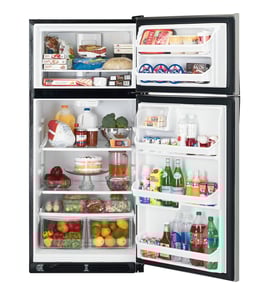





Can I replace fridge parts myself?
Yes. On the Amana ART318FFDW03 top-mount refrigerator, we recommend DIY replacement for many non-sealed-system parts (like door gaskets, light switches, shelves, and some fan components) as long as you unplug the refrigerator first and work carefully. Sealed-system and refrigerant-related repairs belong with a technician.
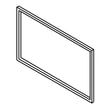
- Door gasket replacement and sealing checks (example: refrigerator door gasket (white) W10861499)
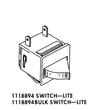
- Interior light issues (example: refrigerator light switch W11384469)
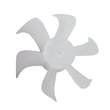
- Evaporator fan noise from a worn blade or motor (examples: fan blade WP2163777, refrigerator evaporator fan motor WP2315539)
- Basic door alignment and leveling using the front rollers/feet
- Cleaning condenser area and checking airflow around the cabinet
- Compressor, refrigerant leaks, or any sealed-system work
- Electrical diagnosis beyond basic checks (control board, wiring harness damage)
- Refrigerant charging or brazing
- Unplug the refrigerator (or switch off the breaker).
- Move food to a cooler if the door will be open for long.
- Wear cut-resistant gloves around sheet metal and evaporator fins.
- Use a towel to protect flooring and catch melting frost.
- Take a photo of wire connectors before disconnecting anything.
| Symptom | Most likely area | Example part for ART318FFDW03 |
|---|---|---|
| Warm fridge, freezer OK | Evaporator fan/airflow | Refrigerator evaporator fan motor WP2315539 |
| Door won’t seal, frost buildup | Door gasket | Refrigerator door gasket (white) W10861499 |
| Light stays off or won’t turn off | Door/light switch | Refrigerator light switch W11384469 |
DIY repairs can restore proper cooling, reduce frost and moisture problems, and prevent food spoilage. Choosing the right repair level also helps avoid electrical shock risks and sealed-system damage.
Last updated: February 2026
How old is my Amana refrigerator by serial number?
For Amana refrigerators (including model ART318FFDW03), the serial number date code is typically built in: the first 2 digits indicate the year, and the next 2 digits indicate the week of manufacture. Once you decode those four digits, you can estimate the refrigerator’s age from that build week.
- Locate the model and serial tag (commonly inside the fresh food compartment on a side wall or ceiling, or on the cabinet frame near the door).
- Write down the full serial number.
- Decode the first four digits:
- Digits 1 to 2 = year (YY)
- Digits 3 to 4 = week (WW)
If your serial number starts with 2315:
- 23 = 2023
- 15 = 15th week of the year
- Built around mid-April 2023
| Week range | Approximate time of year |
|---|---|
| 01 to 13 | Jan to Mar |
| 14 to 26 | Apr to Jun |
| 27 to 39 | Jul to Sep |
| 40 to 52 | Oct to Dec |
- Use the first four digits only for the date code; the remaining characters identify the production sequence.
- If your serial begins with 00 to 99, treat it as 20XX for modern units (for example, 19 = 2019, 23 = 2023).
- If the tag is worn or hard to read, take a photo and zoom in; one misread digit changes the year.
Knowing the manufacture week helps when you are matching parts and planning repairs, especially for cooling issues tied to components like the refrigerator electronic control W11436574 or the refrigerator evaporator fan motor WP2315539.
Last updated: February 2026
What is the average lifespan of an Amana refrigerator?
Most Amana refrigerators, including the Amana ART318FFDW03 top-mount refrigerator, typically last 10 to 15 years with normal household use. Consistent cleaning, good airflow around the cabinet, and fixing cooling or sealing issues early are what most often push a fridge toward the higher end of that range.
A refrigerator’s life is mainly driven by compressor run time, door-seal condition, and how well the unit can move heat away.
- Maintenance habits: cleaning spills, keeping vents clear, and defrosting issues addressed quickly
- Door seal health: torn or warped gaskets cause long run times and temperature swings
- Airflow and fan performance: weak airflow can lead to warm sections and frost buildup
- Room conditions: hot garages, tight enclosures, and dusty environments shorten life
- Usage patterns: frequent door openings and overpacking reduce cooling efficiency
| Item | Good target | Why it matters |
|---|---|---|
| Expected service life | 10 to 15 years | Typical range for modern household refrigerators |
| Fresh food temperature | 37°F to 40°F | Food safety and stable cycling |
| Freezer temperature | 0°F | Proper freezing and ice production |
These steps reduce strain on the sealed system and help prevent premature failures.
- Vacuum dust from the condenser area and surrounding vents regularly
- Keep the refrigerator level so doors close fully and don’t drift open
- Avoid blocking interior air vents with tall containers or tightly packed food
- Check for air leaks and correct sealing problems using how to fix a fridge door seal
- If you notice warm temperatures or unusual fan noise, troubleshoot airflow and consider the refrigerator evaporator fan motor WP2315539
When an Amana refrigerator runs longer to maintain temperature (often from poor airflow or a leaking door gasket), the compressor and controls cycle more aggressively. That extra workload is one of the most common reasons overall lifespan drops below the typical 10 to 15 years.
Last updated: February 2026
Is a dual ice maker worth it?
Yes, a dual ice maker is worth it when your household regularly runs out of ice or you entertain often; it boosts daily ice capacity and can keep ice available even when demand spikes. For an Amana top-mount like model ART318FFDW03, it is most valuable if you want faster recovery and a larger ice reserve.
- You host frequently (weekends, holidays, game nights) and need steady ice output.
- You use a lot of ice daily (large family, insulated tumblers, smoothies).
- You want a bigger “buffer” so the bin does not empty between cycles.
- You prefer separating uses (everyday ice vs. party cooler ice).
- You already have a compatible add-on kit option, such as an refrigerator ice maker kit W11700559.
A second ice maker typically improves convenience more than it improves taste or quality. The main tradeoffs are cost, space, and a few more parts that can eventually need service.
| Factor | Single ice maker | Dual ice maker |
|---|---|---|
| Ice availability | Good for light to moderate use | Best for heavy use and entertaining |
| Freezer space | More space for food | Less space (extra hardware and storage) |
| Complexity | Fewer components | More components to maintain |
| Best fit for | 1 to 3 people | 4+ people or frequent guests |
Ice production is limited by freezer temperature, airflow, and how often the door opens. If your freezer is packed or airflow is restricted, improving cooling performance (not just adding an ice maker) can make a bigger difference. If you suspect weak airflow, checking the evaporator fan system (motor and blade) is a smart first step.
- Keep the freezer near 0°F and the fresh food section near 37°F.
- Avoid blocking vents; leave space around the rear wall for airflow.
- Dump old ice weekly to reduce clumping and stale odors.
- Replace clogged water filtration on schedule if your setup uses a filter.
- If ice is slow and the freezer is warm, troubleshoot airflow and frost buildup.
For cooling-fan related ice and temperature issues, we recommend starting with how to fix your evaporator cooling fan.
Last updated: February 2026
How to fix Amana refrigerator not cooling?
If your Amana ART318FFDW03 top-mount refrigerator is not cooling, the fastest fix is usually restoring airflow and heat transfer: confirm the temperature settings, clear blocked vents, clean condenser coils, and check that the evaporator fan runs. If airflow is weak, focus on the evaporator fan and defrost system.
- Make sure the refrigerator and freezer controls were not set to “warm” or “off.”
- Confirm both doors close tightly and the gaskets seal all the way around.
- Do not block the air vents between the freezer and fresh-food section.
- Listen for the evaporator fan in the freezer; it should run when the compressor is running.
- Pull the unit out and clean dust from the condenser area (dirty coils cause poor cooling).
| Symptom | Most likely cause | What we recommend |
|---|---|---|
| Freezer cold, fridge warm | Airflow problem | Clear vents; check evaporator fan operation; inspect for frost buildup |
| Frost blanket on freezer back wall | Defrost problem | Manually defrost, then troubleshoot heater/controls |
| No fan sound, warm temps | Failed evaporator fan | Test and replace the refrigerator evaporator fan motor WP2315539 |
| Temps swing, runs too long | Sensor/control issue | Check the refrigerator thermistor W11438736 and the control board |
| Runs but never gets cold | Sealed system/compressor issue | Schedule service; sealed system repairs require certified equipment |
- Unplug the refrigerator.
- Check the freezer rear panel for heavy frost. If it is packed with frost, do a full manual defrost (doors open, towels down) until all ice is gone.
- After restarting, verify strong airflow from the freezer vents into the refrigerator section.
- If the fan is not running or is noisy, replace the fan motor; also inspect the fan blade for damage.
This model cools the fresh-food section by moving cold air from the freezer. When the evaporator fan, defrost heater, thermistor, or door seal fails, temperatures rise even though the refrigerator still “runs.”
Use our how to fix your evaporator cooling fan walkthrough to diagnose fan power, noise, and airflow problems safely.
Last updated: February 2026
What are signs of a failing refrigerator?
Common signs your Amana ART318FFDW03 top-mount refrigerator is failing include warm temperatures, food spoiling faster than normal, heavy frost in the freezer, water leaks, and new or louder noises. These symptoms usually point to airflow, defrost, temperature-sensing, or sealed-system problems.
- Fridge section is warm but freezer seems cold (or the opposite)
- Food spoils quickly, milk turns early, or produce freezes in the fresh-food section
- Frost or ice buildup on the freezer back wall
- Puddles under the refrigerator or water collecting inside
- Clicking, buzzing, grinding, or a fan that gets noisy or stops
- Compressor runs almost constantly, or the cabinet feels unusually hot on the sides
| Symptom | Most common cause | First checks we recommend |
|---|---|---|
| Warm fridge, freezer OK | Poor airflow from freezer | Listen for the evaporator fan; check vents for blockage |
| Heavy frost in freezer | Defrost system issue | Look for ice on the back panel; check door seal for gaps |
| Temps swing up and down | Sensor or control issue | Verify settings; watch for erratic cycling |
| Leaks or puddles | Drain or door seal issue | Check for ice-clogged drain, level unit, inspect gasket |
| Loud fan noise | Fan motor or blade issue | Inspect for ice hitting the blade; check for wobble |
If your troubleshooting points to a specific failure, these model-matched parts are often involved:
- Refrigerator evaporator fan motor WP2315539 (no/weak airflow, warm fresh-food section)
- Fan blade WP2163777 (rattling, ticking, vibration, airflow noise)
- Refrigerator defrost heater WPW10316428 (frost buildup, poor cooling after a few days)
- Refrigerator thermistor W11438736 (temperature swings, inconsistent cooling)
- Refrigerator door gasket (white) W10861499 (condensation, frost, warm temps from air leaks)
A refrigerator that cannot hold safe temperatures can spoil food quickly and overwork the compressor. Catching airflow, gasket, or defrost issues early often prevents bigger cooling failures.
Last updated: February 2026