Owner’s manual




What does FGA stand for?
For the KitchenAid model FGA, “FGA” identifies the food grinder attachment that connects to a KitchenAid stand mixer’s power hub; it is not a programming or security term in this context. For model-specific naming and included components, use the FGA owner's manual.
What “FGA” means on KitchenAid attachments
On KitchenAid stand mixer attachments, the model code (like FGA) is the product identifier used to match the correct parts and accessories for that attachment.
Common ways you’ll see it used:
- On the attachment’s packaging or label
- In parts lists and diagrams for ordering replacements
- In the manual when describing assembly and use
- When matching plates, knife, and body components
Parts that commonly relate to the FGA food grinder attachment
If you are asking because you need a replacement, these are some of the most common FGA-RELATED parts we see customers replace:
- Body-fg W10901591 (main grinder housing)
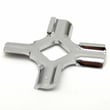
- Knife WPW10408733 (cutting blade)
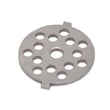
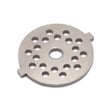
- Plate-3/16 WP9709028 (fine grind plate)
- Plate-3/8 WP9709030 (coarse grind plate)
- Stomper W10845763 (food pusher)
Quick check: “FGA” vs other meanings
| Term | Where you’ll see it | Meaning here |
|---|---|---|
| FGA | KitchenAid parts pages, manuals, packaging | Food grinder attachment model code |
| FGA (in tech) | Software/security content | Not related to this KitchenAid attachment |
Why it matters
Using the correct model identifier (FGA) helps ensure you get parts that fit and function correctly, especially for wear items like the knife and grinding plates.
Last updated: February 2026
What is the FGA used for?
The KitchenAid FGA is a food grinder attachment used with a KitchenAid stand mixer to grind foods (commonly meat and firm produce) and push them through a grinding plate for consistent texture. For model FGA, assembly, use, and cleaning steps are covered in the owner's manual.
What you can do with the FGA attachment
Common uses depend on the plate you install and how you prep the food:
- Grind meat for burgers, meatballs, or sausage blends
- Process firm vegetables (for example, onions or peppers) for recipes
- Create coarse or fine textures by changing the grinding plate
- Feed ingredients safely using the stomper (food pusher)
- Replace worn cutting parts to restore performance
Parts that control grind quality (and what they do)
If grinding is slow, mushy, or uneven, the cutting and plate surfaces are the first things we check.
| Part (for KitchenAid FGA) | What it affects | Typical symptom when worn/dull |
|---|---|---|
| Knife WPW10408733 | Cuts food before it reaches the plate | Smearing, mushy output, extra strain |
| Plate-3/16 WP9709028 | Finer grind size | Clogging, slow feed if packed too tight |
| Plate-3/8 WP9709030 | Coarser grind size | Chunky output, inconsistent texture |
Quick tips for better grinding results
These steps prevent jams and help protect the stand mixer’s drive system.
- Chill meat and the grinder parts briefly so fat stays firm
- Cut food into small strips or cubes before feeding
- Use steady, light pressure with the stomper (do not force)
- Keep the knife and plate clean and dry between batches
- Reassemble so the knife sits flat against the plate (proper seating matters)
Why it matters
Using the FGA correctly improves texture and reduces wear on key components like the knife, plates, and grinder body. It also helps prevent binding that can make the mixer work harder than it should.
Last updated: February 2026
What is the most common problem with the KitchenAid mixer?
For the KitchenAid FGA food grinder attachment, the most common problem is poor grinding performance caused by a dull or incorrectly installed cutting knife and plate, or by food that is too warm or not prepped correctly. Assembly and cleaning steps in the FGA owner's manual prevent most issues.
Most common FGA attachment problems and causes
- Smearing or mushy output: meat is too warm, fat is soft, or the knife is dull.
- Slow grinding or clogging: sinew, skin, or connective tissue is wrapping on the knife.
- Uneven grind size: plate holes are partially blocked or the wrong plate is installed.
- Excessive effort or strain on the mixer: feed rate is too fast or the knife and plate are worn.
- Metal-on-metal squeal: knife and plate are installed but not seating flat (often from residue or incorrect orientation).
Quick checks and fixes we recommend
- Chill meat and grinder parts; cold fat cuts cleanly and reduces smearing.
- Trim sinew and cut food into small strips before feeding.
- Disassemble and clean; dried residue behind the plate prevents proper seating.
- Replace worn cutting parts when edges are nicked or rounded: knife WPW10408733.
- If grind size is inconsistent, switch plates based on the result you want: plate-3/16 WP9709028 (finer) or plate-3/8 WP9709030 (coarser).
Plate selection (what to use when)
| Part | Typical result | Best for |
|---|---|---|
| Plate-3/16 (WP9709028) | Finer grind | patties, spreads, some sausages |
| Plate-3/8 (WP9709030) | Coarser grind | chili meat, rustic sausage texture |
Why it matters
A sharp knife and a clean, flat knife-to-plate contact surface are what actually “cut” the food. When that cutting set is dull, dirty, or warm, the grinder smears and clogs, and it can overload the stand mixer’s power hub.
Last updated: February 2026