Get free shipping on your order, with any water filter subscription. Find my filter

Open Hamburger Menu
Sears Parts Direct
Tips to find your model number
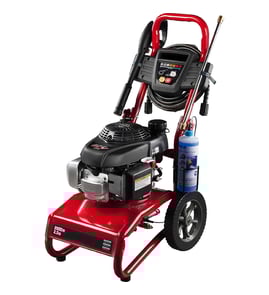
Troybilt 020208 pressure washer

Troybilt 020208 pressure washer Parts

Here are the diagrams and repair parts for Troybilt 020208 pressure washer, as well as links to manuals and error code tables, if available.

By Schematic
SELECT DIAGRAM
?

This is the number corresponding to the part on the diagram / schematic

Browse Parts for 020208 Pressure Washers

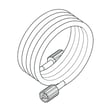
  • Briggs & Statton Pressure Washer Water Hose for Troybilt 020208 - Part 84006753

    Unit diagram

    Hose

    Part #190249GS

    Replaced by #84006753

    Info Icon
    Manufacturer substitution
    This part replaces 190249GS. Substitute parts can look different from the original.
    In Stock
    $94.05
    6% OFF Phone Price : $100.05Info Icon
    Minus Item
    Qty
    Plus Item
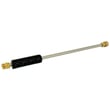
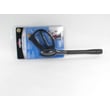
  • Pressure Washer Extension Wand for Troybilt 020208 - Part 207796GS

    Unit diagram

    Extension

    Part #192199GS

    Replaced by #207796GS

    Info Icon
    Manufacturer substitution
    This part replaces 192199GS. Substitute parts can look different from the original.
    In Stock
    $81.44
    Minus Item
    Qty
    Plus Item
  • Plug, Pipe 1 for Troybilt 020208 - Part 190581GS

    Pump diagram

    Pressure Washer Cap

    Part #190581GS

    Replaced by #190581GS

    Info Icon
    Manufacturer substitution
    This part replaces 190581GS. Substitute parts can look different from the original.
    In Stock
    $15.17
    Minus Item
    Qty
    Plus Item
  • Billboard, for Troybilt 020208 - Part 187606GS

    Unit diagram

    Snapper Billboard

    Part #187606GS

    Replaced by #187606GS

    Info Icon
    Manufacturer substitution
    This part replaces 187606GS. Substitute parts can look different from the original.
    In Stock
    $105.88
    Minus Item
    Qty
    Plus Item
  • Kit, Mntng for Troybilt 020208 - Part 192134GS

    Unit diagram

    Briggs & Stratton Craftsman Pressure Washer Vibration Kit

    Part #192134GS

    Replaced by #192134GS

    Info Icon
    Manufacturer substitution
    This part replaces 192134GS. Substitute parts can look different from the original.
    In Stock
    $44.42
    Minus Item
    Qty
    Plus Item
  • Briggs & Stratton Generac Pressure Washer Pump Oil for Troybilt 020208 - Part 190585GS

    Pump diagram

    Briggs & Stratton Generac Pressure Washer Pump Oil

    Part #190585GS

    The manufacturer no longer makes this part, and there's no substitute part

  • Pressure Washer Inlet Check Valve Kit for Troybilt 020208 - Part 190592GS

    Pump diagram

    Pressure Washer Inlet Check Valve Kit

    Part #190592GS

    The manufacturer no longer makes this part, and there's no substitute part

  • Handle for Troybilt 020208 - Part P187602GS

    Unit diagram

    Handle

    Part #P187602GS

    The manufacturer no longer makes this part, and there's no substitute part

  • Manifold for Troybilt 020208 - Part 190673GS

    Pump diagram

    Manifold

    Part #190673GS

    The manufacturer no longer makes this part, and there's no substitute part

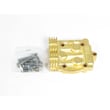
  • Base for Troybilt 020208 - Part P190156GS

    Unit diagram

    Base

    Part #P190156GS

    The manufacturer no longer makes this part, and there's no substitute part

Troybilt Pressure Washer 020208 FAQs

For a gas pressure washer, 1.2 GPM is considered light-duty; it works for quick rinsing and small jobs, but it cleans slower than higher-flow units. Your Troybilt 020208 is rated at 2.5 GPM, so it delivers faster rinsing and better overall cleaning performance (with the right spray tip and technique). See the 020208 owner's manual for the model’s operating details.

What GPM means (and what “good” depends on)

GPM (gallons per minute) is the water volume. More GPM usually means faster cleaning because it carries loosened dirt away more effectively.

  • 1.2 GPM: light-duty, slower cleaning, best for small surfaces
  • 1.8 to 2.5 GPM: solid homeowner range for patios, siding, and driveways
  • 2.5+ GPM: faster rinsing and better productivity for larger areas
How 1.2 GPM compares to your Troybilt 020208

Your 020208 is a higher-flow unit than 1.2 GPM, so you should notice quicker rinsing and less time per section.

Flow rate Typical use What you’ll notice
1.2 GPM cars, patio furniture more passes, longer rinse time
2.5 GPM (020208) decks, siding, driveways faster rinsing, better coverage
Tips to get better results (even if GPM is low)
  • Use the correct spray tip for the job; start with a wider fan tip to avoid damage.
  • Keep the nozzle about 8 to 24 inches from the surface and test a small area first.
  • Purge air from the pump by holding the trigger until water flows steadily.
  • Make sure your garden hose supply is strong; this model calls for more than 3.5 GPM supply and at least 20 PSI at the washer end of the hose.
  • If your high-pressure hose is worn, leaking, or restricting flow, replace it with the correct hose 84006753.
Why it matters

PSI helps break dirt loose, but GPM determines how quickly you rinse and how efficiently you finish the job. Matching flow, spray tip, and water supply prevents weak performance and helps protect the pump.

Last updated: January 2026

The most common issues we see on the Troybilt 020208 gas pressure washer are low or surging pressure, water leaks at the hose or wand connections, detergent not siphoning, and hard starting or stalling. Most problems trace back to clogged spray tips, air leaks on the inlet side, or pump valve and unloader issues.

Common symptoms and what usually causes them
  • Low pressure or pressure surging: clogged nozzle, restricted water supply, worn pump check valves, unloader valve sticking
  • Water leaking at connections: worn O-rings, loose couplers, damaged high-pressure line
  • Detergent not drawing: wrong spray tip (needs low-pressure soap tip), clogged injector, air leak at hose fittings
  • Engine won’t start or dies under load: stale fuel, dirty air filter, spark plug issues, carburetor varnish, pump overloading from a blocked nozzle
  • Pulsing and hammering in the hose: air in the inlet line, kinked garden hose, inlet screen debris
Quick checks we recommend first

Use these steps before replacing parts; they solve most pressure washer complaints.

  • Confirm full water flow from the garden hose before starting the engine
  • Clean the spray tip and try a different tip to rule out a clog
  • Inspect the inlet screen and flush debris from the pump inlet
  • Check for drips at the high-pressure line and couplers; replace the line if it’s damaged
  • Verify the wand and extension are fully seated and locked
Parts that commonly get replaced

If you find damage or persistent leaks, these are frequent wear items for this model.

Problem area What you’ll notice Example part on this model page
High-pressure line Leaks, bulges, loss of pressure Hose 84006753
Wand/extension connection Drips at the gun, poor spray control Extension 207796GS
Why it matters

Running the 020208 with a clogged tip or restricted water supply can overheat the pump and make the engine bog down. Fixing flow and sealing issues early protects the pump, unloader valve, and fittings.

Helpful repair and troubleshooting guides

For deeper diagnosis, we follow the same flow charts used in these guides:

For model-specific operating and maintenance steps (starting procedure, winterizing, and tip selection), use the owner's manual.

Last updated: March 2026

For the Troy-Bilt pressure washer model 020208, we recommend using fresh, unleaded gasoline in the 84 to 90 octane range, with 10% ethanol or less. Avoid higher-ethanol fuels (such as E15) to help prevent hard starting, rough running, and fuel-system issues.

Recommended fuel guidelines
  • Use unleaded gasoline, 84 to 90 octane
  • Choose fuel with 10% ethanol (E10) or less
  • Use fresh fuel (do not store it for long periods before use)
  • Keep the fuel container clean and sealed to reduce moisture contamination
  • Fill the tank outdoors with the engine off and cooled down
Quick fuel compatibility table
Fuel type Use it in model 020208? Why
Unleaded 84 to 90 octane, E0 to E10 Yes Best balance of performance and fuel-system protection
E15 (15% ethanol) No Higher ethanol can cause running and starting problems
E85 (flex fuel) No Too much ethanol for small engines
Old or stale gasoline No Can gum the carburetor and cause surging or no-start
Why it matters

Gas pressure washers rely on a small engine and carburetor that are sensitive to fuel quality. Using the right octane and limiting ethanol helps the engine run smoothly and reduces common problems like surging, loss of power, and hard starting.

Related help for common running issues

If the engine runs poorly even with the correct fuel, these guides help you narrow down the cause:

Where to confirm model-specific operating details

For safety steps and operating guidance for your Troy-Bilt 020208, use the 020208 owner’s manual.

Last updated: January 2026
Most common symptoms to help you fix your pressure washers

Choose a symptom to see related pressure washer repairs.

Main causes: overfilling engine with oil, improper fuel/air mixture, choke system problems, dirty carburetor, engine nee…

Main causes: using a high-pressure spray tip when applying detergent, clogged siphon tube, chemical injection system fai…

Main causes: dirty air filter, stale fuel, clogged or dirty carburetor, bad unloader valve…

Main causes: damaged recoil starter, oil inside cylinder, locked up engine piston…

Main causes: stale fuel, gummed up carburetor, engine needs tune up, throttle and choke controls need adjustment, bad re…

Main causes: pump running for more than 5 minutes when the spray wand isn't being used, faulty pressure relief valve, ba…

Things to do: tune up the engine, inject pump saver into the water pump when storing the pressure washer for the winter…

Main causes: insufficient water supply, clogged water inlet screen, clogged pressure hose, faulty pump check valves, stu…

Main causes: faulty unloader valve, bad pressure regulator…

Repair guides for gas pressure washers

These step-by-step repair guides will help you safely fix what’s broken on your pressure washer.

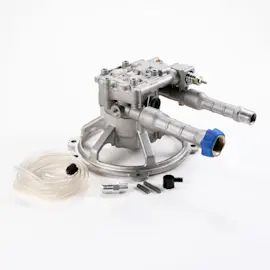
How to replace a pressure washer pump

How to replace a pressure washer pump

The pump can be damaged by air in the inlet water supply or by chemicals that remain in the pump body after using the ch…

Repair time and Difficulty

 15 minutes or less
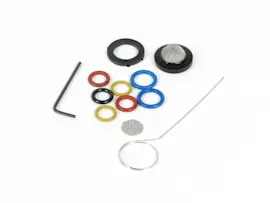
How to install a pressure washer O-ring kit

How to install a pressure washer O-ring kit

O-rings seal fittings on the pressure washer pump. Damaged seals allow water to leak from the pump. Follow these steps t…

Repair time and Difficulty

 45 minutes or less
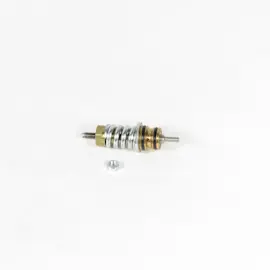
How to replace a pressure washer unloader valve

How to replace a pressure washer unloader valve

The unloader valve recirculates water to protect the pump from damage. If the unloader valve is defective, replace it us…

Repair time and Difficulty

 15 minutes or less

Effective articles & videos to help repair your pressure washers

Use the advice and tips in these articles and videos to get the most out of your pressure washer.

How to enjoy all the online benefits we offer on our Sears PartsDirect website

How to enjoy all the online benefits we offer on our Sears PartsDirect website

Learn about all the convenient features on our Sears PartsDirect website that make your parts purchases easier.…

Tapping into a new feature in the Search Bar on Sears PartsDirect

Tapping into a new feature in the Search Bar on Sears PartsDirect

Learn about a new feature added to the Search Bar on Sears PartsDirect…

Top questions about Sears and Sears PartsDirect

Top questions about Sears and Sears PartsDirect

Get answers to frequently asked questions about Sears and Sears PartsDirect.…

Parts & More

Dishwasher
Electric Cooktop
Electric Range
Farming Equipment
Front-Engine Lawn Tractor
Garbage Disposal
Gas Line Trimmer
Gas Walk-Behind Mower
Lawn Vacuum
Parts
Range
Storm & Screen Doors
Table Saw
Treadmill
Washer
Water Softener