 Error Codes
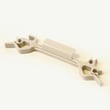



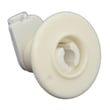
What are the parts of a Maytag dishwasher?
A Maytag dishwasher like model DWU8270AAE is built around a fill system, wash (circulation) system, drain system, and door safety/sealing parts. Together, these components bring water in, spray and filter it for cleaning, then drain it out while keeping the door latched and leak-free.
Main dishwasher parts (what they do)
- Water fill and level control: brings water in and stops filling at the right level (float, water switch)
- Wash circulation: moves water through the spray system to clean dishes (pump/impeller)
- Filtration: traps food soil so it does not redeposit on dishes (filter)
- Drain system: pushes used water out through the drain hose
- Door system: keeps the unit safe and sealed during operation (latch, door switch, door seal, springs)
- Racks and rack hardware: holds dishes and keeps racks aligned (rack stop, track)
Common DWU8270AAE parts you may replace
Here are examples of real, model-matched parts customers often look for:
- Dishwasher door seal WP902894 to help stop leaks around the door
- Door switch 99002254 if the dishwasher will not run when the door is closed
- Float WP99002363 if the dishwasher overfills or will not fill correctly
- Filter WP99001791 if cleaning performance drops due to restricted flow
- Drain hose WPY913158 if the dishwasher will not drain or has a drain leak
Quick “system to symptom” guide
| If you notice this | Likely system to check first | Example related part |
|---|---|---|
| Leaks at the front | Door sealing | WP902894 door seal |
| Will not start | Door safety/latched | 99002254 door switch |
| Poor cleaning | Circulation/filtration | WP902461 circulating (impeller), WP99001791 filter |
| Overfilling | Fill level control | WP99002363 float, WP99002560 water switch |
| Not draining | Drain path | WPY913158 drain hose |
Why it matters
Knowing which “system” a part belongs to helps you troubleshoot faster, order the right replacement, and avoid replacing good parts. For example, a no-start problem is often door-latch or switch related, while poor cleaning is usually circulation or filtration related.
For troubleshooting steps tied to fault patterns, use Maytag microclean he dishwasher error codes.
Last updated: February 2026
What does e1 f9 mean on a Maytag dishwasher?
On a Maytag dishwasher, the E1 F9 code points to a water fill or water level problem; the dishwasher is not sensing the expected water coming in, or it is not reaching the correct level during the fill portion of the cycle.
What to check first (fast, no parts)
- Make sure the house water shutoff valve under the sink is fully open.
- Confirm the supply line is not kinked or crushed behind the dishwasher.
- Run the hot water at the sink for 30 to 60 seconds before starting a cycle (helps initial fill).
- Check the tub for standing water that could confuse fill sensing; drain issues can overlap.
- Power reset: turn off the breaker for 1 minute, then restore power and try a normal cycle.
Common causes and the parts that relate
If the basics look good, these model-relevant parts are commonly involved in fill and level sensing on DWU8270AAE:
- Stuck float or float obstruction: inspect and clean around the float; replace if damaged using float WP99002363.
- Faulty water level sensing: a failed pressure or level switch can misread fill; consider water switch WP99002560.
- Door not fully latched: some models will not fill correctly if the door switch is intermittent; check door switch 99002254 and the latch alignment.
Quick symptom-to-likely-cause table
| What you notice | Most likely cause | What to do |
|---|---|---|
| Dishwasher is quiet, no water sound | Shutoff closed, kinked line, inlet issue | Open valve, straighten line, retry |
| Water trickles in slowly | Low pressure or restricted supply | Verify pressure, check supply line |
| Fills a little then stops and errors | Float stuck up or level sensing issue | Clean float area; test/replace switch |
| Starts then stops when door is moved | Door switch/latch issue | Inspect latch and switch mounting |
Why it matters
A fill/level error can leave dishes dirty and can also cause the dishwasher to stop mid-cycle. Fixing the water supply, float movement, or level sensing restores normal wash action and prevents repeated cycle interruptions.
For model-specific troubleshooting patterns, we use the Maytag code reference in Maytag microclean he dishwasher error codes.
Last updated: February 2026
What is the most common problem with a Maytag dishwasher?
The most common Maytag dishwasher problems (including model DWU8270AAE) are not draining, poor cleaning, and leaks. In most homes, these start with a clogged filter or drain path, blocked spray arms, or a worn door seal, before any major component fails.
Most common symptoms and what usually causes them
- Dishwasher won’t drain: food debris in the sump, a kinked/blocked drain hose, or a stuck float
- Dishes come out dirty: clogged filter, blocked spray arm holes, or overloading that prevents water flow
- Water leaking at the door: worn or mis-seated door seal, or door not latching tightly
- Detergent cup not opening: dispenser actuator issue or dishes blocking the dispenser door
- Stops mid-cycle or won’t start: door switch or latch not closing consistently
Quick checks we recommend before replacing parts
- Cancel the cycle and confirm the tub is draining; remove standing water if needed.
- Clean the filter area and check for broken glass, labels, or seeds.
- Spin spray arms by hand and clear clogged holes.
- Inspect the door perimeter for gaps, tears, or hardened rubber.
- Verify the float moves freely up and down.
Parts that commonly fix these problems on DWU8270AAE
| Symptom | Common fix | Example part for this model |
|---|---|---|
| Leaks at the door | Replace door seal | Dishwasher door seal WP902894 |
| Won’t start or stops when door moves | Check latch and door switch | Latch W10131752, door switch 99002254 |
| Overfills or won’t fill correctly | Check float and water switch | Float WP99002363, water switch WP99002560 |
| Poor wash action | Inspect circulation components and filter | Filter WP99001791, circulating WP902461 |
Error codes can speed up the diagnosis
If your Maytag dishwasher is flashing lights or showing an error, match the code to the failure first, then test the related part.
Why it matters
Drain, wash, and leak issues often get worse quickly: a restricted drain can leave dirty water in the tub, and a small door-seal leak can damage nearby flooring or cabinets. Catching the root cause early usually keeps the repair simple.
Last updated: February 2026





