 Installation guide
 Owner’s manual



What is the average lifespan of a GE dishwasher?
A GE dishwasher typically lasts 10 to 12 years. With normal household use and basic care (keeping the wash system clean and using the right detergent), many units reach the low teens; heavy daily use and poor maintenance shorten life.
What affects lifespan the most
- How often you run it (multiple loads per day wears pumps, seals, and racks faster)
- Water quality (hard water increases mineral buildup on the heater and in the wash system)
- Cleaning and upkeep (filters and spray arms kept clear reduce strain on the circulation pump)
- Loading habits (overloading blocks spray and can stress racks and rollers)
- Drying heat use (more heated drying can add wear to the heater circuit over time)
Practical care steps that help a GE dishwasher last longer
Use these habits on your GE GDF510PGD0BB to reduce common wear issues:
- Clean the wash system regularly; follow the cleaning guidance in the GDF510PGD0BB owner’s manual.
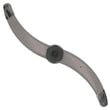
- Keep spray holes clear; remove and rinse the dishwasher spray arm, lower WD22X33499 if you see poor wash coverage.
- Use dishwasher detergent and rinse aid recommended for dishwashers (the manual notes approved detergent and rinse aid use).
- Scrape off hard soils (bones, toothpicks, seeds) instead of pre-rinsing everything.
- Check for leaks early; a small door or tub seal leak can shorten the life of electrical parts.
Typical lifespan expectations (quick reference)
| Usage pattern | Typical lifespan | What usually wears first |
|---|---|---|
| Light (few loads/week) | 12 to 15 years | Racks/rollers, door seals |
| Average (1 load/day) | 10 to 12 years | Drain pump, circulation components |
| Heavy (2+ loads/day) | 8 to 10 years | Pumps, heater, door latch parts |
Why it matters
Knowing the expected lifespan helps you decide whether to repair or replace when issues show up (for example, draining problems, poor cleaning, or heating and drying complaints). If your unit is near the 10 to 12 year mark, investing in maintenance can prevent a major failure.
Last updated: January 2026
What is the most common problem with GE dishwashers?
The most common problems we see with the GE GDF510PGD0BB dishwasher are drainage-related issues (food debris in filters or a restricted drain path), “won’t start” symptoms tied to the door not latching, and cleaning performance drops when filters and spray arms are dirty. Use the GDF510PGD0BB owner’s manual troubleshooting section to match symptoms to the right checks.
Most common issues and what to check first
- Not draining or standing water: check the filter area for debris and confirm the drain hose is not kinked.
- Won’t start or beeps: confirm the door is fully closed and latched; the manual notes beeping can occur when the door is left open during operation.
- Poor cleaning or gritty dishes: clean the filters; the manual recommends inspecting and cleaning periodically (often every other month, depending on use).
- Not drying well: verify rinse aid use and settings; low rinse aid commonly reduces drying performance.
- Leaks: inspect the door seal area and tub gasket for damage or misalignment.
Parts that commonly solve these symptoms (when a component is failing)
If cleaning and basic checks do not fix the issue, these model-matched parts are frequent culprits:
| Symptom | Common part to inspect | What it affects |
|---|---|---|
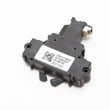
| Won’t start, stops mid-cycle | GE dishwasher door latch lock WD21X10490 | Door must latch for the control to run safely |
| Poor cleaning on lower rack | Dishwasher spray arm, lower WD22X33499 | Spray coverage and water pressure distribution |
| Not draining | Dishwasher drain pump kit WD49X23779 | Pumps water out through the drain hose |
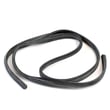
| Leaking at door/tub edge | Tub gasket WD08X23476 | Seals the tub opening to prevent drips |
Why it matters
Drain restrictions and dirty filters can make a GE dishwasher seem “broken” when it is really a flow problem; that same restriction can also cause gritty residue and longer cycle times. A door latch issue can prevent starting entirely, even when the unit has power.
Helpful reference
- Use GE electronic dishwasher error codes to interpret any displayed or blinking error indicators before replacing parts.
Last updated: January 2026
What is GE's best dishwasher?
GE’s “best” dishwasher depends on what you value most: quiet operation, drying performance, or price. For most households, GE Profile models are the best all-around choice; for value, standard GE models are strong performers; for premium finishes and ultra-quiet kitchens, GE Café is the top tier. For feature details and cycle options similar to your GE GDF510PGD0BB, use the GDF510PGD0BB owner’s manual.
How to choose the best GE dishwasher for your needs
- Quietest kitchen: prioritize low dBA ratings (quieter is better).
- Best drying: look for enhanced drying systems and a rinse aid option.
- Best cleaning for heavy soil: choose models with strong wash systems and hard-food handling.
- Best value: focus on core cycles, reliability, and parts availability.
- Smart features: consider Wi-Fi/app control only if you will use it.
Quick comparison (what “best” usually means)
| GE line | Best for | Typical tradeoff |
|---|---|---|
| GE (standard) | Budget-friendly reliability | Fewer premium features |
| GE Profile | Best overall balance | Higher cost than standard |
| GE Café | Premium look and quiet operation | Highest price |
What to look for on your current dishwasher first (GDF510PGD0BB)
If your GE GDF510PGD0BB is not cleaning or drying well, you can often get “best dishwasher” results by restoring performance:
- Clean the filters and check for debris in the sump area.
- Confirm spray arms spin freely and jets are not clogged.
- Use a quality dishwasher detergent and add rinse aid.
- Scrape off hard soils (bones, toothpicks, seeds) instead of pre-rinsing.
- Verify hot water supply to the dishwasher is consistent.
If you suspect a wash performance issue, a worn or clogged spray arm is a common fix; the dishwasher spray arm, lower WD22X33499 is a model-matched part to consider.
Why it matters
“Best” is not one model; it is the best match to your kitchen priorities. Quietness affects daily comfort, drying affects unload time, and cleaning power reduces rewashing. Getting your current unit back to spec can deliver a big upgrade without replacing the dishwasher.
Last updated: January 2026
How to fix failure to drain on GE dishwasher?
On the GE GDF510PGD0BB dishwasher, a failure to drain is usually caused by a blocked disposer connection (drain plug still installed), a clogged air gap, or a kinked drain hose. We fix most no-drain problems by clearing the drain path and confirming the correct drain setup.
Quick checks (fastest fixes)
- Press and hold Start/Reset for 3 seconds to cancel; the dishwasher should begin draining.
- If the drain hose connects to a garbage disposer, remove the disposer inlet drain plug.
- Check that the drain hose is not kinked under or behind the dishwasher.
- If you have an air gap, remove the cap and clear debris.
- Confirm the drain method (air gap vs high drain loop) matches the installation guide.
Clear the drain path (step-by-step)
- Turn off power at the breaker.
- Under the sink, disconnect the dishwasher drain hose from the disposer or waste tee.
- Check the hose and disposer inlet for food sludge; flush the hose with hot water.
- Reconnect the hose, run a short cycle, then cancel again to force a drain.
When a part is likely the problem
If the drain path is clear but you hear a hum with little or no water movement, the drain pump is the most common failure.
- Replace a failed pump with the dishwasher drain pump kit WD49X23779.
- Replace a split, soft, or permanently kinked hose with the dishwasher drain hose WD24X10062.
- If water level sensing seems off, inspect the dishwasher float switch WD21X10519.
| What you notice | Most likely cause | What we do next |
|---|---|---|
| Water remains after cancel/drain | Disposer plug, air gap clog, kinked hose | Clear plug/air gap; reroute hose |
| Hums but barely drains | Drain pump issue or blockage at pump | Inspect sump; replace pump |
| Drains slowly | Partial clog in hose or disposer inlet | Flush hose; clear inlet |
Why it matters
Standing water causes odors, poor cleaning, and repeat clogs. Correct hose routing and the right drain method help the GDF510PGD0BB drain consistently and prevent siphoning.
Last updated: January 2026





