Owner’s manual
 Error Codes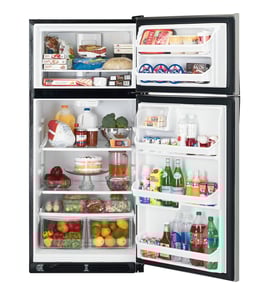




What are the disadvantages of a top mount fridge?
Top-mount refrigerators like Kenmore model 10662159110 are reliable and space-efficient, but the main drawbacks are convenience and organization: fresh-food items sit lower (more bending), freezer access is higher, and premium features are less common. For model-specific features and care tips, use the 10662159110 owner's manual.
Common disadvantages (what most owners notice)
- More bending for daily use: the refrigerator section is below the freezer, so produce and drinks often require stooping.
- Less fresh-food visibility: shelves and crisper drawers can feel harder to scan quickly compared to bottom-freezer layouts.
- Fewer built-in features on many models: in-door water and ice, advanced temperature zones, and wide pantry drawers are less common.
- Freezer organization can be tighter: top freezers often have fewer bins and dividers than larger bottom-freezer designs.
- Can feel smaller for bulky items: pizza boxes, party trays, and tall bottles may take more rearranging.
Quick comparison: top-mount vs. bottom-freezer
| Feature | Top-mount refrigerator | Bottom-freezer refrigerator |
|---|---|---|
| Fresh-food access | Lower, more bending | Higher, easier daily access |
| Freezer access | Eye-level to overhead | Lower pull-out drawer |
| Organization | Often simpler | Often more flexible |
| Typical cost | Often lower | Often higher |
Why it matters
If you use fresh food more than frozen food (most households do), the layout affects comfort and how often the door stays open. Better visibility and easier access can also help reduce temperature swings and food waste.
Tips to reduce the downsides
- Keep everyday items at mid-shelf height to minimize bending.
- Use clear bins to group snacks, deli items, and breakfast foods.
- Set freezer “zones” (meat, vegetables, ice cream) to cut search time.
- Check door seal condition if temperatures fluctuate; a worn gasket can make any layout feel worse.
Last updated: January 2026
What is the average lifespan of a Kenmore refrigerator?
Most Kenmore refrigerators, including model 10662159110, typically last 12 to 15 years with normal household use. Regular maintenance (especially keeping airflow and seals in good shape) is what most often determines whether you land closer to 12 years or push beyond 15.
What affects lifespan the most
- Condenser coil cleanliness: dirty coils make the compressor run hotter and longer.
- Door gasket condition: air leaks force longer run times and can cause frost issues.
- Temperature settings: overly cold settings increase run time and wear.
- Airflow inside the cabinet: blocked vents reduce cooling efficiency.
- Power quality: frequent outages or surges can stress the control board and compressor.
Maintenance checklist (simple, high impact)
Use these habits to extend the life of a top-mount refrigerator like Kenmore 10662159110:
- Vacuum/brush condenser coils on a routine schedule.
- Keep door gaskets clean; wipe with mild soap and water, then dry.
- Confirm doors close fully and stay aligned.
- Leave space around the refrigerator for ventilation.
- Follow the care and cleaning guidance in the 10662159110 owner's manual.
Common “wear” items vs. major components
| Category | Examples | What it means for lifespan |
|---|---|---|
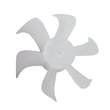
| Wear/maintenance items | Door gaskets, light switch, fan blade | Replacing these can keep the refrigerator efficient and reduce strain |
| Cooling system components | Compressor, evaporator, condenser | Failures here are more costly and often drive replacement decisions |
Why it matters
A refrigerator that runs efficiently cycles less, holds temperature better, and puts less stress on high-cost parts like the compressor and electronic control board. Small maintenance steps often prevent the “runs constantly” pattern that shortens service life.
Last updated: January 2026
Which is better, top mount or bottom mount refrigerator?
A top-mount refrigerator (like Kenmore 10662159110) is usually the better pick if you want lower cost, simpler design, and strong energy efficiency; a bottom-mount is usually better if you want fresh-food items at eye level and easier access to the refrigerator section.
Quick comparison
| Feature | Top-mount (freezer on top) | Bottom-mount (freezer on bottom) |
|---|---|---|
| Everyday access | Freezer is easiest to reach | Refrigerator is easiest to reach |
| Typical price | Lower | Higher |
| Complexity | Simpler, fewer premium features | Often more features, more parts |
| Organization | Basic shelves and bins | Often better fresh-food organization |
| Best for | Frozen-food heavy households | Fresh-food heavy households |
How to choose for your kitchen
- If you open the refrigerator door far more than the freezer, a bottom-mount usually feels more convenient.
- If you want a reliable, straightforward layout with fewer “extras,” a top-mount is a strong choice.
- If you have limited space, compare door swing clearance and handle depth before deciding.
- If you store lots of frozen foods, a top-mount keeps the freezer at a comfortable height.
- If bending is a concern, a bottom-mount reduces how often you crouch for fresh items.
What to check on your Kenmore 10662159110
Even if you are comparing styles, it helps to confirm how your current top-mount is intended to be used and adjusted.
- Recommended temperature settings and control locations
- Airflow and vent locations (blocking vents affects cooling)
- Door closing and gasket sealing tips
- Shelf and bin configuration options
For model-specific operating details, use the 10662159110 owner's manual.
Why it matters
The “better” style is the one that matches how you cook and shop. Choosing the right layout can reduce door-open time, improve temperature stability, and help your refrigerator run more efficiently.
Last updated: January 2026
What are the common problems with Kenmore Elite refrigerators?
Kenmore Elite refrigerators most often have cooling problems, frost buildup, water leaks, or unusual noises. On Kenmore model 10662159110 (top-mount), these symptoms commonly trace back to airflow issues (fan or ice blockage), defrost system failures, dirty condenser coils, or a door seal that is not closing tightly; use the 10662159110 owner's manual for model-specific checks.
Most common symptoms and what they usually mean
- Not cooling or warm fridge/freezer: restricted airflow, failed evaporator fan motor, dirty condenser coils, or a sealed-system issue.
- Heavy frost or ice on the back wall/freezer: defrost heater, defrost thermostat, or control problem.
- Buzzing, clicking, or rattling: fan blade hitting ice, failing fan motor, or compressor start components.
- Water under the crisper or on the floor: clogged defrost drain or an ice maker/water line leak.
- Door not sealing: warped gasket, misalignment, or debris on the sealing surface.
Quick checks we recommend before replacing parts
- Set temperatures to typical targets: 0°F freezer, 37°F refrigerator.
- Clean condenser coils and confirm the condenser area has good airflow.
- Listen for the evaporator fan in the freezer; it should run when the compressor is running.
- Inspect for frost blocking vents or the evaporator cover.
- Check door gaskets for gaps using the “paper test” (paper should drag when pulled).
Parts that commonly fix these problems on model 10662159110
| Symptom | Common suspect part | Example part for this model |
|---|---|---|
| Warm temps, weak airflow | Evaporator fan motor | Refrigerator evaporator fan motor WP2315539 |
| Frost buildup, no defrost | Defrost heater or thermostat | Refrigerator defrost heater WPW10316428, refrigerator bi-metal thermostat WPW10392132 |
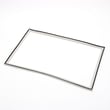
| Door not sealing | Door gasket | Gasket panel (white) 2159061 |
Why it matters
Cooling and frost issues usually get worse over time: poor airflow and defrost failures can cause temperature swings, food spoilage, and extra compressor run time. Catching the root cause early often prevents more expensive repairs.
Last updated: January 2026