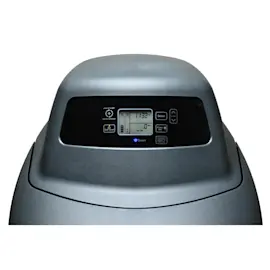
Installation guide
 Owner’s manual
 Error Codes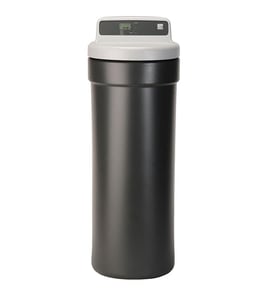
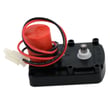


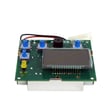




Is it worth repairing a water softener?
Yes, repairing a Kenmore water softener like model 625383001 is usually worth it when the problem is limited to common wear parts (seals, venturi, bypass) and the resin tank and salt tank are still sound. Replacement makes more sense when repairs are frequent or major components are failing.
Quick decision guide
- Repair when you have one clear symptom (leak at the valve, no brine draw, stuck in regen) and the unit otherwise runs normally.
- Repair when the issue points to serviceable parts such as seals, O-rings, or the nozzle/venturi.
- Replace when the softener has repeated failures (multiple repairs in a short time) or the cost approaches a large share of a new unit.
- Replace when the resin is exhausted and you also have other valve or control problems.
- Repair first if the softener is still within the typical service life for this product type.
What we know about this Kenmore model
The installation documentation for this Kenmore softener includes a one-year limited warranty on the appliance and a ten-year limited warranty against leaks for the tank or salt storage drum (with conditions and possible trip charges after the first year). Details and eligibility are outlined in the installation guide.
Typical “repairable” problems and parts
| Symptom | Common cause | Example part for model 625383001 |
|---|---|---|
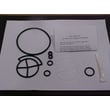
| Leaks at valve area | Worn seals/O-rings | Kenmore water softener seal kit 7129716 |
| No soft water, poor regeneration | Clogged venturi/nozzle | Water softener nozzle and venturi with gasket 7187772 |
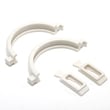
| Hard water during service or install | Bypass not fully set or leaking internally | Kenmore elite water softener bypass valve 7278434 |
Why it matters
A properly working softener reduces scale buildup in plumbing and water-using appliances, and it helps soaps and detergents work better. Keeping the unit maintained also helps avoid issues caused by salt problems; the installation instructions recommend using nugget or pellet salt and avoiding rock salt, which can introduce dirt and sediment.
Cost and effort tips before you decide
- Confirm the softener is getting power from the transformer and a continuously live outlet.
- Check for salt bridging and keep salt levels reasonable (often half-full in humid areas).
- If you see leaking, put the unit in bypass and inspect the valve area for seal wear.
- Use the Kenmore error codes resource if the control shows an error.
Last updated: January 2026
What is the average lifespan of a water softener?
Most water softeners last 10 to 15 years. For the Kenmore 625383001 water softener, regular maintenance (keeping the salt tank clean, using the right salt, and preventing leaks) helps you reach that typical lifespan and avoid early valve and seal wear.
Typical lifespan and what usually wears out first
A water softener is a system of wear parts (seals, valve components, and controls) plus long-life components (tanks). In many homes, the parts that drive regeneration and sealing wear out before the resin tank does.
- 10 to 15 years: common overall lifespan for many residential softeners
- Earlier failures often come from:
- Salt bridging and poor brine draw
- Leaks at fittings, O-rings, or valve seals
- High water pressure stressing seals and valve parts
- Power issues affecting the electronic controller
Maintenance that extends life (and prevents common failures)
The installation guidance for this model calls out several conditions that directly affect longevity.
- Keep incoming water pressure in range (this softener is designed for 20 to 125 psi)
- Keep incoming water temperature in range (40°F to 120°F) and do not install on hot water
- Use pellet or nugget water softener salt (avoid rock salt because sediment can cause problems)
- Clean out the salt storage tank about every 2 to 3 years
- Use a continuously “live” outlet so the transformer is not accidentally switched off
Quick reference: what to check when performance drops
| Symptom | Common cause | What we check first |
|---|---|---|
| Hard water returns | Salt bridging, incorrect settings, poor brine draw | Salt type/level, nozzle and venturi condition |
| Softener leaks | Worn seals or O-rings, loose fittings | Valve seals and O-rings |
| Unit not regenerating correctly | Valve wear or control issue | Error codes and power to transformer |
Parts that commonly restore performance
If your Kenmore 625383001 is otherwise in good shape, replacing wear parts often extends service life.
- Water softener seal kit 7129716 (common fix for internal leaking and sealing issues)
- Water softener o-ring kit 7112963 (helps address seepage at O-ring sealing points)
- Water softener nozzle and venturi with gasket 7187772 (helps restore proper brine draw)
Why it matters
A softener that is maintained and operating within the correct pressure and temperature ranges regenerates more reliably, uses salt more efficiently, and avoids premature valve and seal damage. That is what typically determines whether you get 10 years or closer to 15.
For model-specific operating and care details, use the 625383001 owner's manual.
Last updated: January 2026
What water softeners do plumbers recommend?
Plumbers typically recommend water softeners that are correctly sized for your water hardness and household demand, have a proven control valve design, and can be serviced with readily available parts. If you already own a Kenmore 625383001, correct installation and setup often matter more than switching brands; use the 625383001 installation guide to confirm placement, pressure, and electrical requirements.
What plumbers usually look for (and what you can check)
- Correct grain capacity for your hardness level and daily water use
- Reliable valve and metering (consistent regeneration and accurate flow sensing)
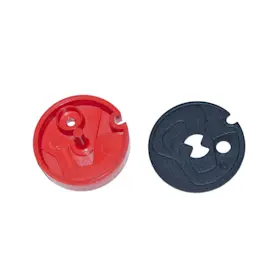
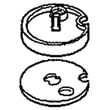
- Easy-to-service wear items (seals, rotor/disc, venturi/nozzle)
- Proper bypass capability for maintenance
- Clear diagnostics and error codes
Quick install and compatibility checks for Kenmore 625383001
From the installation requirements, this model is designed to run within specific limits:
- Water pressure: 20 to 125 psi
- Water temperature: 40°F to 120°F (do not install on hot water)
- Power: 24V, 60 Hz via the included plug-in transformer
| What to verify | Target for this model | Why it matters |
|---|---|---|
| Incoming pressure | 20 to 125 psi | Too high can damage valves and seals |
| Supply temperature | 40°F to 120°F | Hot water can damage internal parts |
| Location | Near main line and a drain | Helps regeneration drain properly |
When “recommended” really means “serviceable”
If your current softener is not performing, plumbers often repair common wear points before recommending replacement. For the Kenmore 625383001, common service items include the water softener seal kit 7129716 and the water softener nozzle and venturi with gasket 7187772.
Why it matters
A top-rated brand can still deliver poor results if it is installed in the wrong spot, exposed to freezing/heat, or running outside pressure and temperature limits. A properly installed Kenmore 625383001 can provide consistent soft water and reduce scale when it is set up and maintained correctly.
Last updated: January 2026