 Installation guide
 Owner’s manual


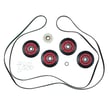
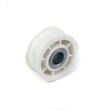
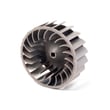
How do I tell what model my Kenmore dryer is?
Your Kenmore dryer’s model number is printed on the model and serial number label; on model 11068832700, that label is located at the top inside the dryer door well. Once you have the full model number, we can match the correct parts, diagrams, and specifications.
Where to look on Kenmore model 11068832700
Check these spots in this order:
- Top inside the dryer door well (primary location for this model)
- Around the door opening on the cabinet frame
- On the rear panel (less common, but possible)
- Near the lint screen housing (some designs place labels nearby)
Use the format exactly as shown on the label (for example, 11068832700), including all digits.
What to write down (and why)
The label typically includes both a model number and a serial number. Record both in a safe place using the 11068832700 owner's manual.
| Item to record | Example format | Why it matters |
|---|---|---|
| Model number | 11068832700 | Ensures correct part fit and correct wiring/venting guidance |
| Serial number | Letters and numbers | Helps identify production series and compatible revisions |
| Purchase date | Month/day/year | Useful for maintenance history and service records |
Quick tips to avoid ordering the wrong part
- Match every digit of the model number; one missing digit can change the parts list
- Use the model number to confirm whether your dryer is gas or electric before buying heating parts
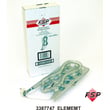
- If you’re troubleshooting heat issues, confirm your exact model before ordering a heater like the dryer heating element WP3387747
- Keep the model number handy when following setup steps in the 11068832700 installation guide
Why it matters
Kenmore model numbers (like the 110-prefix family) identify the exact design and component set. Using the complete model number is the fastest way to get the right dryer timer, door switch, drum support roller, and other common replacement parts.
Last updated: February 2026
What are the most common issues with 11068832700?
The most common problems we see on Kenmore dryer model 11068832700 are no heat or poor heat, won’t start, long dry times from airflow restrictions, and loud squealing or thumping from worn drive parts. These issues usually trace to the heating circuit, door/start switches, venting, or drum support system.
Most common symptoms and likely causes
- Dryer won’t start: door switch, push-to-start switch, timer, motor
- No heat or weak heat: heating element, thermal cut-off, thermistor, wiring at the heater
- Long dry times: clogged venting, lint buildup in ducting or blower wheel, restricted lint duct
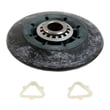
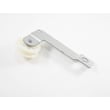
- Loud squeal or rumble: idler pulley, belt and support wear (often serviced as a kit)
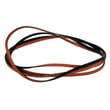
- Drum not turning: broken belt, failed idler pulley, motor or pulley issue
Quick checks we recommend first
- Clean the lint screen and confirm strong airflow at the outside vent.
- Verify the door fully closes and the latch engages; a failed dryer door switch WP3406107 can prevent starting.
- If it runs but does not heat, inspect the heating circuit; the common replacement is the dryer heating element WP3387747.
- If it is noisy, inspect the belt path and idler; many owners use a dryer repair kit 4392067 to refresh wear items together.
Symptom-to-part guide
| Symptom | Common part to check | What it does |
|---|---|---|
| Won’t start | Door switch | Confirms door is closed for safe operation |
| No heat | Heating element | Produces heat for drying |
| Overheats or cycles oddly | Thermistor | Senses temperature for control and safety |
| Squeals | Idler pulley | Maintains belt tension |
Why it matters
A dryer that runs with restricted airflow or failing drum support parts can overheat and cause repeat failures. Fixing airflow and the root cause reduces drying time, protects clothing, and prevents damage to the motor and heater.
For model-specific troubleshooting steps and wiring diagrams, use the installation guide.
Last updated: March 2026
What is the average lifespan of 11068832700?
A Kenmore dryer like model 11068832700 typically lasts 13 years with normal household use and basic maintenance (good airflow, clean lint path, and not overloading). Keeping the heating and drive systems in good shape is what most directly extends service life.
What affects lifespan the most
- Vent airflow: restricted venting overheats the dryer and shortens heater, motor, and thermostat life
- Lint buildup: lint in the blower housing and ducting increases heat and strain
- Load size: chronic overloading wears the drum support and drive components faster
- Heat settings: high heat on every load increases thermal cycling on safety cutoffs and the heater
- Preventive part replacement: replacing worn wear items early prevents secondary damage
Maintenance checklist (best return for the effort)
- Clean the lint screen every load; replace a damaged screen such as screen W10120998.
- Inspect and clean the exhaust ducting; replace crushed or torn ducting such as dryer exhaust duct WP8563749 when needed.
- Vacuum lint from the lint duct and blower area during periodic deep cleaning.
- Keep the dryer level to reduce vibration and drum wear.
- If you hear squealing or thumping, service the belt and support system before it damages the motor.
Common wear items and what they impact
| Wear item | What you notice | Why it matters |
|---|---|---|
| Idler pulley | Squeal, belt slip | Prevents belt failure and motor strain |
| Blower wheel | Rattle, weak airflow | Restores airflow and drying performance |
| Heating element | No heat, long dry times | Restores proper heating |
| Thermistor | Overheating or poor temperature control | Protects fabrics and components |
Why it matters
Most “dryer died early” situations trace back to poor airflow or ignored noise. Addressing venting and early drive wear keeps your 11068832700 running closer to its full expected lifespan.
For model-specific care and cleaning intervals, follow the owner's manual.
Last updated: March 2026









