
What is the lifespan of a sharp microwave?
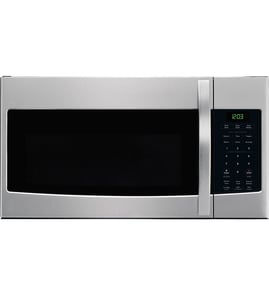
A Sharp microwave, including the Sharp R-1514 microwave/hood combo, typically lasts 7 to 10 years with normal household use. Heavy daily use, poor ventilation, and running the oven empty can shorten life; consistent cleaning and proper use help it reach the upper end of that range.
Most over-the-range and microwave/hood combo units wear out from heat stress, door-switch wear, and high-voltage component aging.
- 7 to 10 years is the typical service life for a household microwave
- Frequent cooking (multiple long cycles per day) shortens lifespan
- Grease buildup and blocked airflow raise internal temperatures
- Slamming the door can damage door latches and interlock switches
- Power surges can damage the control board
If your R-1514 shows these symptoms repeatedly, repair vs. replace becomes a practical decision.
| Symptom | What it often points to | What we recommend |
|---|---|---|
| Runs but does not heat | High-voltage system issue | Use the checks in why is my microwave not heating |
| Dead display, no response | Fuse, door switch, or control issue | Start with safe power checks; see how to replace a microwave fuse |
| Sparks or burn marks inside | Waveguide cover or cavity damage | Stop using it; see how to repair arc or burn marks in a microwave video |
| Loud buzzing/humming | High-voltage component strain | Discontinue use and have it serviced |
These habits reduce heat and electrical stress on a microwave/hood combo.
- Keep the grease filters clean so airflow stays strong
- Wipe the cavity after splatters; grease and food carbonize and cause arcing
- Use microwave-safe containers; avoid metal trim and foil
- Never run the microwave empty
- Use the hood fan when cooking on the range to reduce heat buildup
Microwaves can appear to “work” even when heating performance is dropping. Catching early symptoms helps prevent repeat failures and avoids damage from overheating, arcing, or poor ventilation.
Last updated: February 2026
What parts can be salvaged from a microwave?
From a Sharp R-1514 microwave/hood combo, you can salvage several reusable non-heating components (like switches, motors, and hardware) for repairs or projects; we recommend avoiding high-voltage parts because they can stay dangerous even after the unit is unplugged.
These are the most practical items to keep because they are easy to identify and commonly reused:
- Door interlock switches (microswitches) and mounting brackets
- Turntable motor (if your model uses a rotating tray) and coupler
- Cooling fan motor and fan blade
- Interior light socket, lens, and wiring connectors
- Control panel buttons, knobs, and plastic trim pieces
- Mounting screws, sheet-metal brackets, and wire harness clips
Microwaves contain a high-voltage circuit that can injure you even when unplugged. We treat these parts as non-DIY salvage items:
- High-voltage capacitor
- High-voltage transformer
- High-voltage diode
- Magnetron
| Part type | Typical reuse value | Why people keep it |
|---|---|---|
| Switches and small hardware | High | Easy to test and repurpose; common failure items |
| Motors (fan, turntable) | Medium | Useful if bearings are quiet and windings test good |
| Control panel plastics | Medium | Good for cosmetic repairs and missing pieces |
| High-voltage components | Low | Safety risk; failures can be hard to diagnose |
On an over-the-range microwave/hood combo like the Sharp R-1514, many “small” parts (switches, fan pieces, brackets) solve common symptoms such as no-start, door issues, or noisy ventilation. Salvaging the right items can save time on future troubleshooting.
- How to replace a microwave fuse
- Why is my microwave not heating
- Never do these things with a microwave
Last updated: February 2026
Where to find model number on Sharp microwave?
On a Sharp microwave (including the Sharp R-1514 microwave/hood combo), the model number is usually printed on a rating label inside the door opening. Open the door and look along the door frame area (often on the left or right side) for a sticker that lists the model and serial numbers.
- Inside the door opening on the oven front frame (the most common spot)
- On the side wall just inside the cavity opening
- Along the bottom edge of the door opening (near the latch area)
- Behind the control panel trim area (less common)
- On the back of the unit (harder to see on over-the-range installs)
The label is typically a white or silver sticker/plate. For parts lookup and troubleshooting, we recommend writing down:
- Model number (example format: R-1514)
- Serial number
- Any additional code on the tag (sometimes shown as a product or manufacturing code)
The model number ensures you get the correct Sharp microwave/hood combo parts and the right repair instructions. Even small model variations can use different door switches, fuses, filters, or control components.
| If you see this | Do this |
|---|---|
| Multiple numbers on the tag | Use the one labeled MODEL for parts lookup |
| Tag is greasy or faded | Clean gently, then take a photo for zooming |
| Microwave is mounted over the range | Check the door frame first before trying to access the back |
For more help identifying the correct model tag location and using it for parts lookup, use our guide: how to find your appliance model number (and what it means for parts).
Last updated: February 2026