Error Codes



What's the most common problem with a Whirlpool dishwasher?
The most common Whirlpool dishwasher problem is a drain issue: the unit finishes with water left in the bottom because the drain path is restricted or the drain system is not moving water. On the Whirlpool GU980SCGT3, we also commonly see poor cleaning from spray-arm blockage and leaks from a worn door seal.
Most common symptoms and what they usually mean
- Water left in the tub: clogged drain hose, blocked sump area, or a drain pump/impeller problem
- Dishes not clean: spray arm holes plugged, low water fill, or weak wash circulation
- Leaking at the door: door seal worn, torn, or not seated evenly
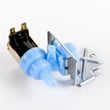
- Not filling well: inlet valve not opening fully or household water supply issue
- Stops mid-cycle or won’t run: door not latching, control senses the door as open
Quick checks we recommend first (fast, no parts)
- Cancel/drain the cycle and listen for a strong drain sound.
- Check the sink/disposer connection for a clog (especially if draining is slow).
- Inspect the drain hose routing for kinks and make sure it has a high loop.
- Spin and rinse the spray arms; clear any debris from the spray holes.
- Confirm the door closes firmly and the latch engages.
Common parts tied to these problems on GU980SCGT3
| Problem area | What fails | Example part for this model |
|---|---|---|
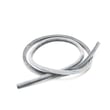
| Door leak | Door seal gets compressed or splits | Dishwasher door seal WPW10509257 |
| Not draining | Drain hose restricted or deteriorated | Dishwasher drain hose WP3374077 |
| Won’t start / stops | Door won’t latch consistently | Dishwasher door latch WP3380854 |
| Poor cleaning | Spray arm cracks or clogs | Dishwasher spray arm WP8268874 |
| Low fill / no fill | Inlet valve sticks or clogs | Valve-inlt W10844024 |
Why it matters
Drain and fill problems affect everything else: if the dishwasher cannot drain completely or fill to the right level, you will see poor cleaning, odors, and sometimes leaks or cycle interruptions.
For troubleshooting by fault display, use our Whirlpool dishwasher error codes guide.
Last updated: February 2026
Where to find part number on Whirlpool dishwasher?
On your Whirlpool GU980SCGT3 dishwasher, we recommend using the model and serial tag (not a part number printed on a component) to identify the correct replacement part. Once you have the model number, you can match the exact part by name and diagram location.
Where to look for the model and serial tag
Check these common spots on built-in Whirlpool dishwashers:
- Along the inner edge of the door (left or right side) when the door is open
- On the tub frame near the door latch area
- Along the top edge of the inner door panel
- On the side of the tub opening (visible with the door open)
How to use that information to get the right part
After you confirm the model number is GU980SCGT3, use the parts list/diagram to find the component you need by description, then match it to the correct part ID.
- Search by the part name (example: door seal, drain hose, latch)
- Match the part ID to the exact item listed for GU980SCGT3
- Compare the part’s location in the diagram to what you see in your dishwasher
- If multiple similar parts appear, match by where it mounts and what it connects to
Examples of model-matched parts (by part ID)
These are common items customers replace on this model:
| What you’re replacing | Example part for GU980SCGT3 | What it affects |
|---|---|---|
| Door leak seal | Dishwasher door seal WPW10509257 | Leaks at the door perimeter |
| Door won’t latch | Dishwasher door latch WP3380854 | Starting and staying closed |
| Not draining or leaking at hose | Dishwasher drain hose WP3374077 | Draining and under-sink leaks |
Why it matters
Dishwasher parts often look similar across Whirlpool models, but mounting points, lengths, and electrical connectors can differ. Using the GU980SCGT3 model tag first prevents ordering the wrong door seal, pump motor, or inlet valve.
Last updated: February 2026
What is the average lifespan of GU980SCGT3?
The average lifespan of a Whirlpool dishwasher like model GU980SCGT3 is 10 years. You can often extend service life by keeping the filter and spray system clean, fixing leaks quickly, and replacing wear items such as seals and racks before they cause bigger problems.
Typical lifespan and what affects it
Most dishwashers reach their expected life based on water quality, usage frequency, and maintenance.
- Hard water and heavy daily use shorten lifespan
- Consistent cleaning and correct detergent improve wash performance and reduce wear
- Small leaks that go unfixed can damage the door, wiring, and flooring
- Clogged spray arms and poor draining strain the pump and motor
- Worn racks and rollers can cause loading issues and interior damage
Quick maintenance checklist (monthly or as needed)
These steps help GU980SCGT3 run cleaner and reduce stress on the pump, heater, and drain system.
- Clean the bottom of the tub and remove debris near the sump area
- Check spray arms for clogs and clear holes with a toothpick
- Run a dishwasher cleaner cycle to reduce grease and mineral buildup
- Inspect the door perimeter for drips; replace the seal if it is flattened or torn
- Confirm the drain hose routing is not kinked and the high loop is in place
Common “end-of-life” symptoms vs. fixable issues
| Symptom | Often fixable? | Common next step |
|---|---|---|
| Leaking at the door | Yes | Replace dishwasher door seal WPW10509257 |
| Not draining well | Yes | Check for clogs; inspect dishwasher drain hose WP3374077 |
| Poor cleaning | Yes | Clean/inspect dishwasher spray arm WP8268874 and water feed paths |
| Loud grinding or no wash action | Sometimes | Inspect pump/impeller; consider pump motor W10428168 |
Why it matters
Knowing the 10-year average helps you decide whether to invest in a repair (like a door seal, drain hose, or pump motor) or plan for replacement, especially if multiple issues show up close together.
Last updated: March 2026