


How many hours a day should you run a dehumidifier?
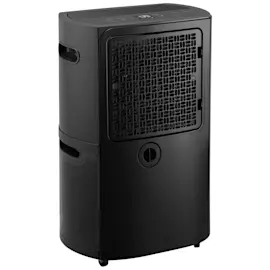
For a GE APEL50LZQ1 dehumidifier, we typically run it as long as needed to hold your target humidity (usually 30% to 50% RH); in many homes that works out to about 6 to 12 hours per day, and in very damp spaces it may run nearly continuously for the first 24 to 48 hours.
A practical run-time guide
Use this as a starting point, then adjust based on your humidity reading and comfort.
- Normal maintenance: 6 to 12 hours/day (unit cycles on and off)
- Basement or rainy season: 12 to 20 hours/day
- After a damp event (wet carpet, high humidity): 24 to 48 hours initially
- If the room feels dry or you see static: reduce run time or raise the setpoint
- If you smell mustiness or see condensation: increase run time and improve airflow
What changes how long it runs
A dehumidifier’s “hours per day” depends more on conditions than the brand.
| Factor | What you’ll notice | What to do |
|---|---|---|
| Room size vs. unit capacity | Runs constantly but humidity stays high | Close doors, run longer, consider a larger unit |
| Airflow and placement | Short-cycles or weak moisture removal | Keep intake and exhaust clear, don’t push against walls |
| Dirty filter | Reduced airflow, longer run time | Clean or replace the dehumidifier air filter WK85X21721 |
| Drain method | Bucket fills fast or unit shuts off | Empty bucket often or set up continuous drain |
Why it matters
Running long enough to reach and maintain 30% to 50% RH helps prevent condensation and musty odors while avoiding over-drying. It also reduces strain from restricted airflow (a common cause of poor moisture removal).
Quick checks if it “runs but doesn’t collect much water”
- Verify the humidity setting is below the room’s current RH
- Make sure windows and exterior doors are closed
- Clean the air filter and check for blocked grilles
- Confirm the bucket is seated correctly and not full
- Review our dehumidifier doesnt collect water tips for common causes
Last updated: February 2026
How long is the warranty on a GE dehumidifier?
GE dehumidifiers like model APEL50LZQ1 typically include a one-year limited warranty from the original purchase date, covering failures caused by defects in materials or workmanship; GE generally provides a replacement unit (new or refurbished) under the warranty terms.
What the 1-year limited warranty usually covers
- Defects in materials or workmanship (not normal wear)
- Failures that occur during typical household use
- Replacement of the unit (often new or refurbished)
- Coverage that starts on the original purchase date
What is usually not covered
- Damage from misuse, abuse, or improper maintenance
- Issues caused by blocked airflow (dirty filter) or poor cleaning
- Water leaks caused by an improperly seated bucket or drain setup
- Cosmetic damage that does not affect performance
Quick checks before assuming it is a warranty issue
A lot of “not working” complaints are caused by airflow or drainage problems. For APEL50LZQ1, we recommend:
- Clean or replace the air filter (restricted airflow reduces moisture removal)
- Confirm the bucket is fully seated and the float moves freely
- Empty and reinstall the bucket; check for cracks or warping
- Verify the room temperature is warm enough for normal operation (cold rooms can cause frost)
Common symptoms and the most likely next step
| Symptom | Most likely next step |
|---|---|
| Not collecting water | Clean filter; confirm humidity setting; check for frost |
| Leaking water | Reseat bucket; inspect bucket for damage |
| Poor airflow | Replace clogged filter |
Parts that often solve “it’s not working” complaints
If you are troubleshooting performance or water handling, these model-matched parts are common fixes:
Why it matters
Knowing the warranty length helps you decide whether to pursue a warranty replacement versus a repair. It also helps you focus on the most common, low-cost fixes first (filter and bucket fit) before assuming an internal electrical problem.
Last updated: February 2026
Can a GE dehumidifier be repaired?
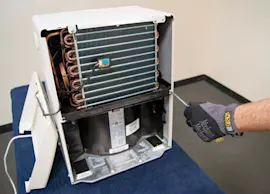
Yes. A GE dehumidifier like model APEL50LZQ1 is repairable in most common failure situations, especially when the issue is maintenance-related (airflow, drainage, bucket switch) or a replaceable part such as the bucket, filter, or wheels.
What we check first (fast troubleshooting)
- Confirm the unit is plugged in and the outlet has power.
- Empty and reseat the bucket fully; a misseated bucket can stop operation.
- Clean or replace the air filter to restore airflow.
- Make sure the room temperature is above about 65°F; many units ice up or perform poorly in colder spaces.
- Verify the humidity setpoint is below the room’s current humidity.
- If using a drain hose, check for kinks, clogs, and proper downward slope.
Parts that are commonly replaced on APEL50LZQ1
If your symptoms point to a worn or damaged component, these model-matched parts are typical fixes:
| Symptom | Likely part to inspect | What it affects |
|---|---|---|
| Not collecting water, weak airflow | Dehumidifier air filter WK85X21721 | Airflow across the coil and overall moisture removal |
| Leaks, bucket won’t seat, “bucket full” behavior | Water bucket assembly WK10X24756 | Water collection and bucket safety switch engagement |
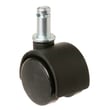
| Hard to roll, unit wobbles | Castor WK02X24761 | Mobility and stability |
When repair is worth it (and when it usually is not)
Repair is usually worth it when:
- The dehumidifier runs but performance is poor due to airflow or drainage.
- Water handling issues are limited to the bucket or drain setup.
- Noise is from a loose panel, fan obstruction, or vibration.
Replacement is usually the better choice when:
- The sealed refrigeration system is failing (often poor cooling with normal airflow).
- The compressor will not start and basic electrical checks do not reveal a simple cause.
Why it matters
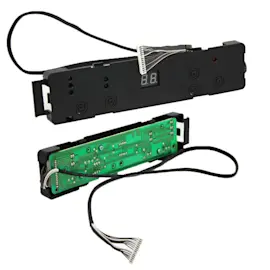
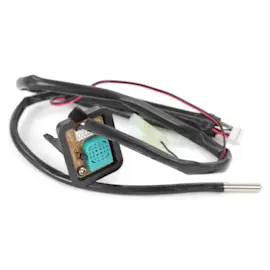
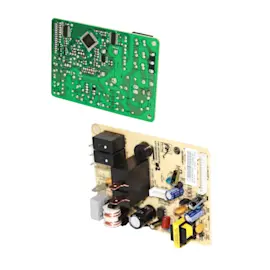
Most “not working” complaints on dehumidifiers are caused by airflow restriction, bucket/drain problems, or sensor/control issues. Starting with cleaning and the correct replacement parts prevents repeat shutdowns, leaks, and poor humidity control.
Helpful DIY guidance
Last updated: February 2026
What is the life expectancy of a GE dehumidifier?
A GE dehumidifier like model APEL50LZQ1 typically lasts 5 to 9 years with normal residential use and basic maintenance; heavy, continuous operation in very damp spaces often shortens life to 3 to 5 years, while light seasonal use can push it closer to 10 years.
Typical lifespan ranges (what to expect)
- Light/seasonal use (basement in summer): 8 to 10 years
- Normal use (most homes): 5 to 9 years
- Heavy use (runs most of the day, high humidity): 3 to 5 years
- Poor airflow or dirty filter: shorter lifespan due to compressor strain
- Cold operation (cool basements): more icing and wear if run too cold
| Usage pattern | Typical runtime | Expected lifespan |
|---|---|---|
| Light | A few hours/day | 8 to 10 years |
| Normal | 6 to 12 hours/day | 5 to 9 years |
| Heavy | 12 to 24 hours/day | 3 to 5 years |
Maintenance that extends life
- Clean or replace the air filter regularly (restricted airflow overheats the system); use the dehumidifier air filter WK85X21721 when it is damaged or won’t clean up well.
- Empty and wash the bucket; keep the bucket seated correctly so the unit doesn’t short-cycle; replace a cracked or warped bucket with the water bucket assembly WK10X24756.
- Keep intake and exhaust grilles clear; leave a few inches of clearance around the cabinet.
- Clean the coil and cabinet periodically; follow the steps in how to clean a dehumidifier.
- If you see water on the floor, address it quickly to prevent corrosion and electrical issues; use how to stop dehumidifier leaks or dehumidifier leaks water.
Why it matters
A dehumidifier’s compressor and fan work hardest when airflow is restricted or humidity is extreme. Simple upkeep (filter, bucket, and cleaning) reduces run time and heat buildup, which is the biggest driver of early failure.
Last updated: February 2026
Why is my GE dehumidifier shutting off?
Your GE APEL50LZQ1 dehumidifier usually shuts off because it thinks the bucket is full, airflow is restricted, or the unit is protecting itself from overheating or icing. Start by reseating the bucket, cleaning the filter, and confirming the room conditions support normal operation.
Quick checks (most common causes)
- Pull the bucket out and reinstall it firmly so the bucket switch/float can engage correctly.
- Empty and rinse the bucket; look for cracks or a warped rim that prevents a good fit.
- Clean or replace the air filter; a clogged filter can cause overheating and automatic shutdown.
- Make sure the air intake and exhaust are not blocked (keep several inches of clearance).
- If the coil is frosted, raise the room temperature and let the unit defrost; cold rooms can trigger cycling.
- Verify the humidity setting is below the room’s actual humidity; if the setpoint is met, the unit will stop.
Helpful model-specific parts to check:
What to do based on the symptom
| What you notice | Likely cause | What we recommend |
|---|---|---|
| Shuts off and “bucket full” light is on | Bucket not seated, float stuck, bucket switch not made | Reseat bucket; clean float area; inspect bucket fit |
| Runs 5 to 15 minutes then stops | Restricted airflow or overheating protection | Clean/replace filter; clear vents; clean dust buildup |
| Stops and restarts repeatedly | Room humidity near setpoint, sensor drift, or poor airflow | Lower setpoint; improve airflow; clean filter and coil area |
| Coil frosts then unit stops | Room too cold or low airflow | Warm room; clean filter; allow defrost cycle |
Why it matters
Frequent shutdowns reduce moisture removal and can stress the compressor and fan motor. Keeping airflow strong (clean filter, clear vents) and ensuring the bucket/float system works correctly prevents nuisance shutoffs.
If it still shuts off after cleaning and reseating
- Run the unit with the bucket removed briefly to confirm the bucket switch behavior (do not leave it unattended).
- Check for water leaks or misrouting that could affect the float area; use dehumidifier leaks water for targeted steps.
- If the unit still cycles off with good airflow and a properly seated bucket, the humidity sensor or control may need diagnosis; use how to replace a dehumidifier sensor assembly as a repair overview.
Last updated: February 2026