Owner’s manual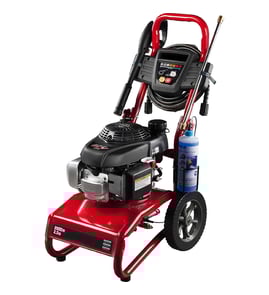




What is a good PSI for a gas pressure washer?
A good PSI for a gas pressure washer depends on the job, but for typical home cleaning we recommend about 2,000 to 3,000 PSI. Your Craftsman 580752600 is rated at 2600 PSI, which is a strong all-around pressure level for decks, siding, driveways, and most outdoor equipment (when used with the right spray tip). See the 580752600 owner's manual for the exact specifications and operating limits.
Quick PSI guide by task
- 1,300 to 2,000 PSI: cars, patio furniture, grills (lower risk of damage)
- 2,000 to 2,800 PSI: decks, fences, siding, most home use (best all-around range)
- 2,800 to 3,500 PSI: concrete, heavy mildew, tough stains (more care needed)
- 3,500+ PSI: pro-level work; can damage wood, paint, and seals quickly
How your 2600 PSI washer fits in
Your model’s 2600 PSI output is ideal when you match pressure to the surface using the nozzle and distance.
| Surface | Recommended approach | What to avoid |
|---|---|---|
| Painted siding | Wider fan spray, keep distance | Tight stream close to surface |
| Wood deck | Start farther back, test a small area | Holding one spot too long |
| Concrete | Medium fan spray, steady passes | Spraying expansion joints up close |
| Vehicles | Low pressure and gentle angle | High pressure on trim and seals |
Tips to get good cleaning without damage
- Start with a wider fan spray and increase only as needed.
- Keep the tip moving; do not “etch” one spot.
- Increase cleaning power by using the correct nozzle; replace a worn tip if spray pattern is uneven (see pressure washer spray nozzle jet 94804GS).
- Fix leaks promptly; worn seals can reduce pressure and cause surging (see o-ring 190584GS).
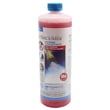
- Use detergent only as directed and rinse thoroughly.
Why it matters
PSI is cleaning force, but real-world results come from the combination of PSI, GPM (flow), spray tip angle, and technique. Staying in the right PSI range helps you clean faster while protecting wood fibers, paint, and pump seals.
Last updated: February 2026
Can you put 87 gas in a pressure washer?
Yes. For the Craftsman 580752600 gas pressure washer, regular unleaded gasoline with an 87 octane rating is the standard choice for reliable starting and steady engine power. Use fresh fuel and follow the fueling safety steps in the 580752600 owner's manual.
Fuel type and what to avoid
Most small gas pressure washer engines are designed for fresh, regular unleaded fuel.
- Use 87 octane unleaded for normal operation
- Avoid stale gas (older than about 30 days without stabilizer)
- Avoid overfilling the tank; leave room for expansion
- Keep fuel away from sparks, flames, pilot lights, and heat sources
- Never fuel indoors; fill the tank outdoors
Safe fueling steps (important)
The manual’s safety guidance for this model focuses on preventing fire and vapor ignition.
- Turn the pressure washer OFF.
- Let it cool at least 2 minutes before removing the gas cap.
- Fuel outdoors only.
- Do not overfill; wipe up any spills before starting.
Quick reference table
| Fuel choice | Works for most pressure washers? | When to use it |
|---|---|---|
| 87 octane unleaded | Yes | Everyday use |
| Higher octane (89 to 93) | Yes (usually) | Only if you already have it; it will not increase cleaning power |
| Old fuel without stabilizer | No | Drain and replace |
Why it matters
Using the right fuel and fueling safely helps prevent hard starting, surging, and carburetor deposits. The manual also notes that alcohol-blended fuels can attract moisture during storage, which can lead to fuel system damage; using fresh fuel and a stabilizer for storage helps protect the carburetor and fuel lines.
For storage and seasonal care, we also recommend reviewing steps for winterizing and storing a pressure washer.
Last updated: February 2026
What is a 2600 PSI pressure washer used for?
A 2600 PSI gas pressure washer like the Craftsman 580752600 is built for medium-duty outdoor cleaning: washing siding, decks, fences, patio furniture, driveways, and vehicles. It delivers strong cleaning power while still being manageable for most around-the-house jobs (when you use the right spray tip and technique).
Best uses for 2600 PSI (typical jobs)
- Cleaning mildew and dirt from vinyl siding and soffits
- Washing decks, railings, and fences (wood or composite)
- Rinsing concrete patios, walkways, and lightly stained driveways
- Washing cars, trucks, boats, and trailers (with a wider fan tip)
- Cleaning outdoor equipment, lawn tools, and garbage cans
What your Craftsman 580752600 is designed to deliver
From our model’s specs in the 580752600 owner's manual, this unit is rated at 2600 PSI and 2.5 GPM. That combination is a solid balance of pressure (to break dirt loose) and flow (to rinse it away).
| Rating | What it affects | What you notice while cleaning |
|---|---|---|
| PSI (2600) | Scrubbing power | How well it lifts stuck-on grime |
| GPM (2.5) | Rinsing speed | How fast you flush dirt and soap |
| Water temp (max 100°F) | Pump protection | Helps prevent pump damage |
Choosing the right spray tip (prevents damage)
Using the correct nozzle matters as much as PSI.
- Start with a wider fan pattern for most surfaces
- Step down to a narrower spray only if needed
- Keep the wand moving; do not “park” the spray in one spot
- Increase distance on softer materials (wood, painted surfaces)
For a replacement tip that fits this model, use the pressure washer spray nozzle jet 94804GS.
Why it matters
A 2600 PSI washer is powerful enough to save time on outdoor cleaning, but it can still damage wood, paint, and seals if you use too narrow a spray or get too close. Matching the spray tip and distance to the surface gives you faster cleaning with fewer repairs.
Last updated: February 2026
How to tell if your pressure washer pump is bad?
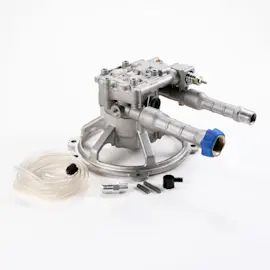
On the Craftsman 580752600 gas pressure washer, a “bad pump” usually shows up as low or surging pressure even with a steady water supply. Before condemning the pump, we verify basics first: correct water flow, no air in the pump, and a clean, unrestricted nozzle as outlined in the 580752600 owner's manual.
Quick checks that often mimic a bad pump
- Confirm the water source can supply at least 20 PSI and more than 3.5 GPM at the end of the garden hose.
- Turn water ON, then hold the spray gun trigger until you get a steady stream (this purges air).
- Inspect the high-pressure hose for kinks, cuts, bulges, leaks, or loose couplings; replace if damaged (do not repair).
- Check and clean the water inlet screen; a clogged screen starves the pump.
- If pressure pulses, clean the nozzle orifice; a restricted nozzle causes excessive pump pressure and surging.
Signs the pump itself is failing
If the items above check out, these symptoms point to internal pump wear or damage:
- Pressure briefly spikes, then drops off while the engine continues running normally
- Persistent surging even after purging air and cleaning the nozzle
- Water leaking from the pump body (not just a hose connection)
- Grinding, squealing, or abnormal pump noise
- Poor pressure across multiple spray tips/nozzles
Gauge test: what the readings mean
A pressure gauge at the pump outlet or gun inlet helps separate a pump issue from a nozzle/hose issue.
| Gauge behavior | Most likely cause | What to do next |
|---|---|---|
| Normal pressure, steady | Pump is generally OK | Focus on nozzle, spray gun, or technique |
| Spikes then quickly falls | Internal pump problem | Plan pump service or replacement |
| Surges rhythmically | Air in system or restricted nozzle/inlet | Purge air; clean inlet screen/nozzle |
| Low and steady | Water supply restriction or worn pump | Verify supply first; then evaluate pump |
Why it matters
Running a pressure washer with a starved or surging pump accelerates seal and piston wear. Verifying water supply, purging air, and clearing restrictions protects the pump and prevents unnecessary part replacement.
Parts that commonly get replaced during pump-related repairs
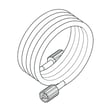
- Hose 84006753 (high-pressure hose issues can look like pump failure)
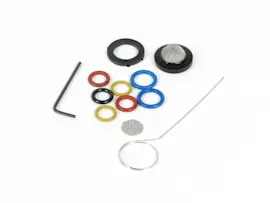
- O-ring 190584GS (leaks at fittings and in-line filter areas)
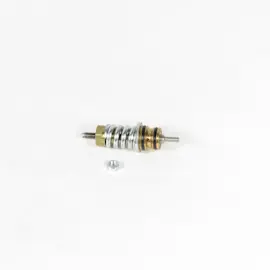
- Generac pressure washer pump piston kit 190590GS (internal wear causing pressure loss)
Last updated: February 2026