Owner’s manual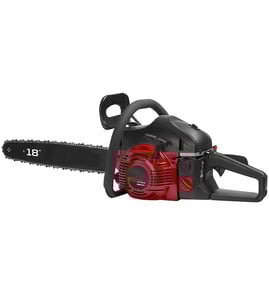









Do you use 40 1 or 50 1 gas in a chainsaw?
For the Craftsman chainsaw model 358360170, we use a 40:1 fuel mix (gasoline to 2-cycle oil). That ratio is made by mixing 3.2 oz of 2-cycle, air-cooled engine oil with 1 gallon of unleaded gasoline, as specified in the 358360170 owner's manual.
Correct mix ratio for this model
Use these measurements when mixing fuel for a 40:1 ratio:
- 1 gallon gasoline: add 3.2 oz 2-cycle oil
- 1/2 gallon gasoline: add 1.6 oz 2-cycle oil
- 1 quart gasoline: add 0.8 oz 2-cycle oil
- Use synthetic 2-cycle oil labeled for air-cooled engines
- Mix fuel outdoors in an approved fuel container
| Gasoline amount | Oil amount (40:1) |
|---|---|
| 1 gallon | 3.2 oz |
| 1/2 gallon | 1.6 oz |
| 1 quart | 0.8 oz |
Why 40:1 vs 50:1 matters
Running the correct oil ratio protects the engine from premature wear and helps the carburetor stay properly tuned. With this Craftsman model, the manufacturer’s fueling instructions are built around a 40:1 mix, so using 50:1 can reduce lubrication.
Fueling and handling tips (important)
We follow these basics to reduce fire risk and avoid hard-start problems:
- Turn the engine off and let it cool before refueling
- Open the fuel cap slowly
- Wipe up spills before starting
- Move at least 10 feet away from the fueling area before starting
- Store fuel in a cool, dry, well-ventilated area
If the saw is hard to start after fueling
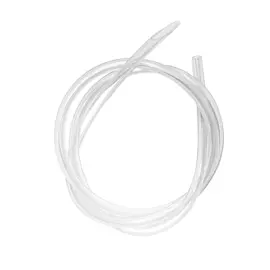
Old fuel or an incorrect mix is a common cause. If you suspect fuel delivery issues, cracked lines are also common on older saws; the ayp lawn & garden equipment fuel line, large 530069216 is one of the model-matched options.
Last updated: January 2026
What model number is a Craftsman 16 36cc chainsaw?
A common Craftsman 16-inch, 36cc gas chainsaw model number is 358.360360. If you are matching parts or a manual, confirm the exact model from the ID tag on your saw because similar Craftsman saws (like 358.360170, a 42cc model with an 18-inch bar) use different parts and settings; see the 358.360170 owner's manual.
How to confirm your exact Craftsman model number
Look for the model number on the saw’s identification label (typically on the housing near the rear handle or starter area). Use these checks:
- Match the full number format (often 358.xxxxxx) exactly
- Verify bar length (16-inch vs 18-inch) and engine size (36cc vs 42cc)
- Compare the label to the parts list in the manual
- Use the model number, not the bar length, when ordering parts like a fuel line, primer bulb, or ignition coil
Why the model number matters for parts and tuning
Craftsman chainsaws that look similar can use different fuel system parts, chain brake components, and carburetor settings. For example, the Craftsman 358.360170 manual specifies:
- 2-cycle fuel mix ratio: 40:1 (3.2 oz oil per 1 gallon gasoline)
- Bar and chain oil tank capacity: about 6.8 fl oz
- The saw is factory-tested and carburetor-adjusted
Quick comparison (36cc 16-inch vs this page’s model)
| Item | 16-inch 36cc Craftsman (example) | Craftsman 358.360170 (this page) |
|---|---|---|
| Typical identifier | 358.360360 | 358.360170 |
| Bar length | 16-inch | 18-inch |
| Engine size | 36cc | 42cc |
If you are ordering parts for 358.360170
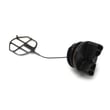
Use the model number 358.360170 when selecting parts. Common fuel-related items that must match the model include the fuel tank cap 580940901 and fuel line components.
Last updated: January 2026
What is the average lifespan of 358360170?
A Craftsman 358360170 42cc 2-cycle gas chainsaw typically lasts 8 to 12 years with normal homeowner use and routine maintenance. Heavy cutting, dirty fuel, and running a dull chain shorten life; consistent air-filter and fuel-system care extends it.
What affects lifespan the most
- Fuel quality and storage: fresh, properly mixed 2-cycle fuel prevents carburetor and cylinder wear.
- Air filtration: the manual calls for cleaning the air filter regularly; a dirty filter reduces engine life.
- Bar and chain condition: a dull chain forces the engine and clutch to work harder.
- Lubrication: correct bar and chain oiling reduces bar, chain, and sprocket wear.
- Cooling and fasteners: keeping the saw clean and fasteners tight helps prevent overheating and vibration damage.
Maintenance intervals to plan around
The owner's manual gives practical service timing you can use to protect engine life.
| Item | Typical interval | Why it matters |
|---|---|---|
| Air filter cleaning | Every 5 hours or 15 tanks | Protects cylinder and carburetor from dirt |
| Air filter replacement | Every 50 hours or annually | Restores airflow and reduces wear |
| Chain sharpening | As soon as cutting slows | Reduces load on clutch and engine |
| Fuel filter check | Periodically | Prevents lean running and hard starting |
Signs your saw is nearing end-of-life (or needs a rebuild)
- Low power even with a sharp chain and clean air filter
- Hard starting that returns quickly after tuning
- Excessive vibration, rattling, or recurring fastener loosening
- Chain oiling problems that persist after cleaning the oiling path
- Loss of compression or scoring symptoms (engine will not hold a tune)
Parts that commonly extend service life
Replacing wear items on time is usually cheaper than running the saw until it damages major components.
- Fuel delivery parts such as the ayp lawn & garden equipment fuel line, large 530069216 and the Craftsman lawn & garden equipment engine fuel filter 530095646
- Starting components like the recoil spring 545008015
- Oiling components like the chainsaw oil pump 530071259
Why it matters
A well-maintained 2-cycle chainsaw delivers safer, more predictable cutting and avoids expensive failures like cylinder scoring, clutch damage, and chronic no-start issues.
Last updated: March 2026