Installation guide
 Owner’s manual


What is the average lifespan of a whirlpool dishwasher?
A Whirlpool dishwasher typically lasts 10 to 12 years. For your specific Whirlpool WDF520PADM5, you can usually reach the higher end of that range by keeping the wash system clean, using the right detergent, and fixing small issues (like draining or heating problems) early using the WDF520PADM5 user manual.
Typical lifespan range (what to expect)
Most Whirlpool dishwashers fall into this practical range:
- 7 to 9 years: heavy daily use, hard water buildup, skipped cleaning
- 10 to 12 years: average household use with basic maintenance
- 13 to 15 years: lighter use plus consistent cleaning and prompt repairs
| Usage and care level | Typical lifespan | What usually shortens life |
|---|---|---|
| Heavy use, minimal maintenance | 7 to 9 years | Clogged filter, poor draining, scale buildup |
| Average use, routine care | 10 to 12 years | Occasional clogs, worn seals, minor electrical issues |
| Light use, proactive care | 13 to 15 years | Mostly age-related wear |
Maintenance that most improves lifespan
These steps help protect the pump, heater, and seals on WDF520PADM5:
- Clean the filter area regularly; replace the filter if it is damaged (see dishwasher filter WPW10463906)
- Run hot water at the sink before starting a cycle so the dishwasher fills with hotter water
- Use a quality dishwasher detergent; avoid overfilling and avoid hand dish soap
- Keep spray arms clear of debris so wash pressure stays strong
- Periodically descale if you have hard water (helps protect the heating system)
When repairs can extend life (and when they do not)
If the dishwasher is otherwise in good shape, replacing a common wear part can add years.
- Not draining well: check for clogs; a failing pump may point to dishwasher drain pump W10876537
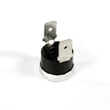
- Not heating or drying: heating circuit issues can involve the heater and thermostat
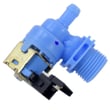
- Not filling: water supply issues can involve the inlet valve
Why it matters
A dishwasher that is kept clean and draining properly runs cooler, pumps less strain, and avoids leaks. That reduces wear on high-cost components like the wash pump, drain pump, and tub seals.
Last updated: January 2026
What is WDF520PADM?
WDF520PADM is a Whirlpool dishwasher model series name; for your specific unit, WDF520PADM5 identifies the exact version used to match the correct parts, wiring, and features. For model-specific operation details, use the WDF520PADM5 user manual.
What the model number means (for parts and repairs)
We use the full model number (including the last digit) because small suffix changes can affect compatible components like the wash system, control panel, or rack hardware.
- WDF520PADM: the base model family/series
- WDF520PADM5: the exact configuration/version for your dishwasher
- The last digit often helps match the right diagrams and replacement parts
- Using the full model number reduces wrong-part returns
Common examples of parts that can vary by version
Even within the same family, versions can use different revisions of key components.
| Part type | What it affects | Example for WDF520PADM5 |
|---|---|---|
| Drain system | Draining performance, noise | Dishwasher drain pump W10876537 |
| Fill system | Filling, water level issues | Dishwasher water inlet valve W11175771 |
| Heating | Drying and water temperature | Element assembly W10518394 |
Why it matters
When you troubleshoot symptoms like “won’t drain,” “won’t fill,” or “not drying,” the correct model identifier (WDF520PADM5) ensures we point you to the right Whirlpool dishwasher parts and the right repair steps.
Helpful next steps
- Confirm the full model number from the dishwasher’s model tag
- Use the WDF520PADM5 installation guide if you are installing or reinstalling the unit
- If you see a flashing code, reference Whirlpool dishwasher error codes
Last updated: January 2026
What is the most common problem with whirlpool dishwashers?
For the Whirlpool WDF520PADM5 dishwasher, the most common real-world complaint we see is drainage or wash-performance trouble: standing water after a cycle or dishes coming out dirty. In many cases, the root cause is a simple restriction (food debris in the filter area, a blocked drain hose, or a spray issue) rather than a major failure; see the WDF520PADM5 user manual for the model’s normal operation and cleaning guidance.
Most common symptoms and what they usually point to
- Standing water in the bottom: clogged filter area, restricted drain hose, or a failing drain pump
- Dishes not getting clean: clogged spray arm holes, low water fill, or circulation problems
- Won’t start: door not latching, control lock, or power/interlock issue
- Leaks: door seal/tub gasket wear, loose hose connections, or overfill/float issues
- Loud grinding or humming: debris in the pump area or a worn pump/motor
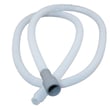
If your WDF520PADM5 won’t drain, the most common repair-path parts are the dishwasher drain pump W10876537 and a compatible drain hose such as dishwasher drain hose 8269144A (depending on your configuration).
Quick checks we recommend first (before replacing parts)
- Cancel/Drain and listen: do you hear the drain motor run?
- Clean the filter area and remove any visible debris from the sump.
- Check the drain hose routing: no kinks; make sure it has a proper high loop/air gap per the WDF520PADM5 installation guide.
- Verify water fill early in the cycle; low fill can mimic “not cleaning.”
- Inspect spray arms for clogged holes and free rotation.
Common causes vs. likely fixes (at a glance)
| Symptom | Most likely cause | Typical fix |
|---|---|---|
| Standing water | Restriction or weak drain | Clean filter/sump; inspect hose; replace drain pump if weak |
| Poor cleaning | Clogged spray, low circulation, low fill | Clean spray arms; check inlet/fill; inspect circulation path |
| Won’t start | Door not latched | Inspect/replace door latch |
| Leaking | Seal or connection issue | Inspect gasket/hoses; correct installation/level |
Why it matters
Drain and wash issues tend to snowball: standing water can cause odor and redeposit soil, and poor circulation can leave detergent undissolved. Catching restrictions early often prevents unnecessary part replacement.
Last updated: January 2026