
Are air compressor parts interchangeable?
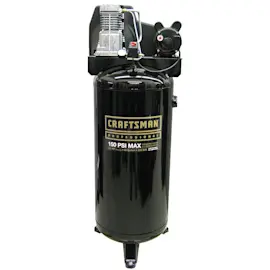
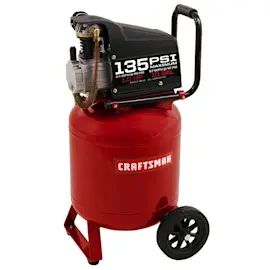
Most air compressor parts are not interchangeable across brands or even across different models of the same brand. For the Craftsman 106154580 twin-cylinder tank-type paint sprayer, major components (pump, motor, manifold, regulator assembly) must match the exact design, mounting, and pressure/flow requirements to fit and work safely.
These parts are typically engineered for a specific compressor layout, PSI range, and airflow (CFM):
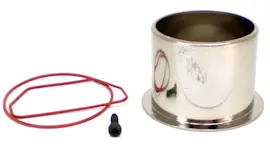
- Pump/compressor head and cylinder components
- Electric motor and mounting bracket pattern
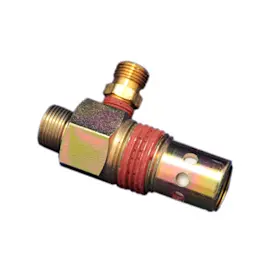
- Tank check valve style and port orientation
- Integrated manifold, regulator, and gauge assemblies
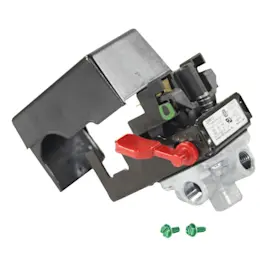
- Pressure switch type (cut-in/cut-out range and porting)
- Unloader valve setup (often tied to the pressure switch)
Some external connection parts can cross over if you match thread type, size, and style:
- Quick-connect couplers and plugs (industrial, automotive, ARO styles)
- Hose fittings and adapters (commonly NPT in the U.S.)
- Drain valve at the bottom of the tank (thread size must match)
- Safety relief valve (must match PSI rating and thread)
Use this before swapping any part onto a Craftsman 106154580.
| What to match | Why it matters | What to check |
|---|---|---|
| Thread type and size | Prevents leaks and stripped ports | NPT vs other threads; 1/4 in., 3/8 in., etc. |
| Pressure rating (PSI) | Prevents overpressure and nuisance venting | Relief valve PSI; regulator range |
| Flow requirement (CFM) | Prevents pressure drop and poor tool performance | Tool CFM vs compressor output |
| Mounting/port orientation | Prevents fitment issues | Bolt pattern; port direction |
Interchanging the wrong compressor parts can cause air leaks, constant cycling, overheating, or unsafe pressure control. Matching the correct specs keeps your compressor stable, efficient, and consistent for spraying and air tools.
- Use how to find your appliance model number (and what it means for parts) to confirm you are shopping and cross-referencing parts for the exact 106154580 model.
Last updated: February 2026
Is it worth it to repair a compressor?
Yes, it’s worth repairing a Craftsman 106154580 compressor when the problem is a single, serviceable failure (like a leaking check valve, bad pressure switch, or worn gasket) and the tank and pump are still in good shape. It’s usually not worth it when the tank is compromised, the pump is heavily worn, or repairs keep repeating.
- Tank condition: Any deep rust, dents, or air leaks at seams means replacement is the safer, smarter choice.
- Failure type: Electrical controls and external air leaks are typically practical repairs.
- Pump health: Loud knocking, metal debris in oil (if oil-lube), or low output points to major wear.
- Parts availability: If common wear parts are hard to source, repair time and cost rise fast.
- How you use it: Occasional DIY use favors repair; daily or jobsite use favors reliability.
| What’s happening | Typical fix | Usually worth repairing? |
|---|---|---|
| Compressor won’t start, hums, trips breaker | Test capacitor, motor, pressure switch, wiring | Often yes |
| Runs but won’t build pressure | Check intake filter, reed valves, head gasket | Often yes |
| Constant air leak at unloader/regulator/fittings | Reseat/replace fittings or valve | Yes |
| Takes much longer to fill than it used to | Pump wear or valve issues | Sometimes |
| Tank shows heavy corrosion or leaks | Tank replacement is not practical | No |
A twin-cylinder tank-type unit like the Craftsman 106154580 can be economical to fix when the issue is isolated, but a weakened tank or worn pump turns into repeat downtime and escalating cost. The goal is restoring safe pressure performance, not just getting it to run.
- Unplug the unit; drain the tank fully and listen for leak points.
- Confirm the outlet and extension cord are adequate; low voltage causes hard starts.
- Check for obvious air leaks at fittings, regulator, and the unloader line.
- If it trips a breaker, use a meter to check capacitor and motor windings.
- Price out likely parts and compare to the value of a reliable replacement.
For basic electrical testing steps, use our guide: how to use a multimeter to test electrical parts video.
Last updated: February 2026
What is the most common cause of air compressor failure?
The most common cause of failure on a Craftsman 106154580 air compressor is preventable maintenance and heat related damage: restricted airflow (dirty intake filter, blocked cooling fins), poor lubrication (old or low oil on oil-lube pumps), and running the unit too long without cool-down. These conditions accelerate wear on bearings, valves, and the pump.
When an air compressor is stressed by heat, dirt, or low lubrication, these issues show up early:
- Intake restriction: a clogged filter makes the pump work harder, raising temperature.
- Overheating: blocked shrouds/fins or hot ambient air breaks down lubrication and seals.
- Lubrication breakdown (oil-lube units): dirty oil increases friction and bearing wear.
- Moisture corrosion: water left in the tank promotes rust and debris in air passages.
- Electrical stress: weak capacitors, worn pressure switch contacts, or undersized extension cords cause hard starts and motor overheating.
Use this short routine to catch problems early:
- Verify the compressor has clear airflow around the pump and motor (no rags, dust piles, or blocked vents).
- Clean the pump cooling fins and motor housing so heat can dissipate.
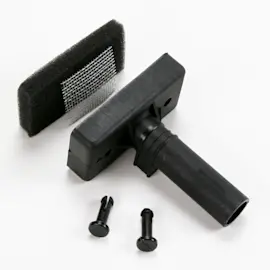
- Inspect the intake filter; replace it if it is dark, oily, or restricted.
- Drain the tank after use to remove water and reduce internal rust.
- Listen for longer run times, new knocking, or hissing leaks; those are early warning signs.
| Symptom | Most likely cause | What to do first |
|---|---|---|
| Runs hot and shuts off | Restricted airflow or overuse | Clean fins, improve ventilation, allow cool-down |
| Runs but won’t build pressure | Intake restriction, valve wear, or major leak | Check filter, then check for leaks |
| Trips breaker on start | Electrical issue or cord problem | Avoid long cords; test components |
| Water spits from hose | Tank moisture | Drain tank; consider an in-line moisture filter |
Heat and contamination are the fastest ways to shorten compressor life. Keeping airflow open, draining moisture, and maintaining lubrication prevents the pump and motor from operating under constant overload.
For safe electrical testing steps, we recommend how to use a multimeter to test electrical parts video.
Last updated: February 2026
What company makes Craftsman air compressors?
Craftsman air compressors are made by multiple manufacturers (OEMs) over time; “Craftsman” is the brand name, not a single compressor factory. For the Craftsman model 106154580, the maker is tied to the specific model series and production run, so the most reliable way to identify it is by the full model number and the data tag on the unit, then matching that to the correct parts list on Sears PartsDirect.
Use the compressor’s rating plate (usually on the tank or shroud) and confirm these details:
- Full model number: 106154580 (match it exactly)
- Serial number and date code (if shown)
- Motor nameplate info (HP, volts, amps)
- Pump style (twin-cylinder, oil-lube vs. oil-free)
- Pressure switch and regulator style (helps match parts diagrams)
Craftsman has historically sourced air compressors from different OEMs. Depending on era, you may see model-number “families” that point to a supplier.
| What you see on the label | What it usually indicates | Why it matters |
|---|---|---|
| A distinct model prefix/family | A specific OEM built that series | Parts and diagrams match that OEM’s design |
| A later replacement unit with a different family | A different OEM for a newer run | Parts are not interchangeable across families |
| Only “Craftsman” branding | Brand only, not the OEM | You still need the exact model to match parts |
The OEM determines the pump, valve plate, pressure switch, regulator, and gasket designs. Even small differences can change:
- Thread sizes and fitting types
- Pressure switch cut-in and cut-out ranges
- Check valve and unloader tube routing
- Cylinder head and reed valve layout
- Confirm the model tag reads 106154580 (no extra digits).
- Use the model number to pull the correct diagrams and part descriptions.
- If you are troubleshooting electrical issues (won’t start, trips breaker), use a meter and follow safe testing practices; our how to use a multimeter to test electrical parts video is a good baseline.
Last updated: February 2026