Error Codes


How can I tell what KitchenAid model I have?
For a KitchenAid dishwasher like model KDTE234GBL0, the model number is printed on the appliance’s rating label, usually on the tub frame around the door opening. Open the door and look along the left or right inner edge; the label lists the model and serial numbers.
Check these common label locations (with the door open):
- Left side of the tub frame (vertical edge)
- Right side of the tub frame (vertical edge)
- Top edge of the tub opening (under the counter lip)
- Along the inner door edge near the latch area
- On the side of the door itself (less common)
Record both numbers so you can match parts and diagrams correctly.
| Label item | What it’s used for | Example format |
|---|---|---|
| Model number | Identifies the exact design and parts list | KDTE234GBL0 |
| Serial number | Helps identify production run details | Letters and numbers |
KitchenAid dishwashers can look similar across series, but small design changes affect fit and function. Using the exact model number helps us match the correct door seals, racks, pumps, and electrical parts.
If you’re troubleshooting a symptom (not just identifying the model), our KitchenAid he dishwasher error codes guide can help you narrow it down before ordering parts.
Use these quick tips:
- Wipe the label gently with a damp cloth to remove film or detergent residue
- Use your phone camera and zoom in for clearer text
- Shine a flashlight across the label at an angle to reduce glare
- Copy the model number exactly, including all letters and digits
Last updated: February 2026
Which dishwasher to stay away from?
If you’re trying to “stay away” from a dishwasher, we focus less on brand-only lists and more on avoiding specific red flags: poor parts availability, repeated leak or drain complaints, and expensive electronic failures. For KitchenAid KDTE234GBL0 owners, we recommend choosing models with proven serviceability and readily available replacement parts.
- Models with frequent leak history or hard-to-source door seals and gaskets
- Units that rely heavily on proprietary electronics with costly control replacements
- Dishwashers with chronic draining complaints (often tied to installation or drain pump issues)
- Designs with weak rack hardware (wheels, adjusters) that break and are expensive to rebuild
- Brands or models with limited local service options and long lead times for parts
A “good” dishwasher is one you can keep running. Prioritize these traits:
- Strong parts ecosystem (common wear parts are easy to buy)
- Simple, well-supported wash system (pump, sump, diverter)
- Solid door sealing design and easy-to-replace seals
- Durable racks and readily available rack hardware
| What fails most often | What it affects | Typical fix type |
|---|---|---|
| Door seals and gaskets | Leaks at the door | Replace seal/gasket |
| Drain system | Standing water, odors | Clear blockage or replace pump/hose |
| Rack hardware | Racks won’t roll/adjust | Replace wheels/adjusters |
| Heating/drying system | Poor drying | Check heater and airflow |
“Brands to avoid” lists change, but repairability does not. A dishwasher with available parts and straightforward repairs usually costs less to own over time, even if the purchase price is higher.
If your current KitchenAid dishwasher is leaking, not draining, or not drying, use a symptom-first approach before replacing the whole unit:
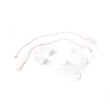
- For leaks, inspect the door sealing surfaces and consider the tub gasket W11177741
- For draining issues, check for kinks/clogs and consider the dishwasher drain pump W10876537
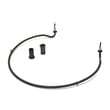
- For poor drying, the heater circuit is a common checkpoint; see the element assembly W10703867
Last updated: February 2026
How much should I pay for a decent dishwasher?
A decent dishwasher typically costs $500 to $1,000. In that range, you usually get strong cleaning performance, quieter operation, and more durable features (like a stainless steel tub) without paying extra for luxury add-ons.
- $300 to $500: Basic cycles and drying; louder operation is more common.
- $500 to $1,000: Best value for most homes; better wash coverage, quieter insulation, and more reliable racks.
- $1,000+: Premium features (ultra-quiet, advanced drying, specialty racks, smart features) and higher-end finishes.
| Budget | Best for | Typical tradeoffs |
|---|---|---|
| $300 to $500 | Light daily use, smaller households | Fewer cycles, more noise, simpler racks |
| $500 to $1,000 | Most households | Fewer “luxury” features than top-tier |
| $1,000+ | Quiet kitchens, heavy use, feature-focused buyers | Higher cost for incremental upgrades |
- Noise rating: Quieter matters most in open kitchens.
- Drying system: Look for improved drying if you run lots of plastics.
- Rack durability: Smooth-gliding racks and sturdy adjusters reduce breakage.
- Filter and maintenance: Easy-to-clean filters help prevent odors and poor cleaning.
- Parts availability: Being able to replace wear items extends the dishwasher’s life.
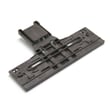
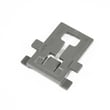
Most dishwasher complaints come down to cleaning, drying, and rack problems. Spending into the mid-range often reduces those issues and makes repairs more practical over time. For example, if you already own a KitchenAid KDTE234GBL0, common wear items like the dishwasher dishrack adjuster WPW10546503 are replaceable, which can restore day-to-day usability without replacing the whole unit.
Last updated: February 2026
What brand of dishwasher is most reliable?
Miele and Bosch are the most consistently reliable dishwasher brands for long-term durability and quiet performance; KitchenAid is also a strong, serviceable choice in the mid-range. If you already own a KitchenAid KDTE234GBL0, reliability improves most with routine cleaning and fixing small leaks or drain issues early using the right parts.
Reliability is a mix of build quality, wash system design, and how well the dishwasher is maintained.
- Fewer leaks (door seals and gaskets stay tight)
- Consistent filling and draining (valves, hoses, drain pump)
- Strong wash performance (circulation system stays clear)
- Lower noise and vibration over time
- Parts availability for common wear items
These steps prevent the most common dishwasher failures (leaks, poor cleaning, and no-drain complaints).
- Clean the filter area regularly and remove debris from the sump
- Use the correct detergent amount; avoid over-sudsing
- Run hot water at the sink before starting a cycle for better fill temperature
- Inspect the door sealing surfaces and wipe them clean
- Address slow draining immediately to prevent pump strain
If you are troubleshooting a leak or water on the floor, the door sealing parts are frequent fixes. For drain problems, the drain pump and drain hose are common suspects.
| Symptom | Common cause | Example part for KDTE234GBL0 |
|---|---|---|
| Water leaking at door | Worn/dirty door seal | Tub gasket W11177741 |
| Water leaking at bottom front | Lower door seal worn | Dishwasher door seal, lower W10909089 |
| Not draining or drains slowly | Drain pump or restriction | Dishwasher drain pump W10876537 |
Choosing a reliable brand helps, but day-to-day reliability is usually determined by maintenance and quick repairs. A small leak or partial clog can turn into rust, odor, or pump damage if it is ignored.
For step-by-step troubleshooting, we use the same checks shown in our dishwasher leaks video when diagnosing door seal and gasket problems.
Last updated: February 2026
What is the most common problem with KitchenAid dishwashers?
The most common issue we see with KitchenAid dishwashers (including model KDTE234GBL0) is poor cleaning performance: dishes come out with food residue because water flow is restricted or wash action is weak. In most cases, cleaning the filter area and checking spray and fill related parts fixes it.
- Clean the filter area and remove debris (seeds, labels, glass) that can block circulation.
- Confirm the spray arms spin freely and the holes are not clogged.
- Load so tall items do not block the upper spray arm or detergent dispenser.
- Run hot water at the sink until it is hot before starting the cycle.
- Use fresh detergent and avoid overfilling the cup.
If the dishwasher is filling and running but still not cleaning, these parts are frequent culprits:
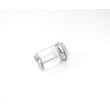
- Filter cup a W10872845 (a clogged or damaged filter area can reduce wash performance)
- Dishwasher water inlet valve W11175771 (weak fill can reduce spray pressure)
- Dishwasher diverter motor W10537869 (can misroute water so spray is inconsistent)
- Sump and motor assembly W11665769 (circulation problems can cause poor wash action)
| Symptom | Most likely cause | What to do first |
|---|---|---|
| Grit or food left on dishes | Filter area dirty, spray holes clogged | Clean filter area; clear spray arm holes |
| Glasses on top rack stay dirty | Upper spray blocked, low water fill | Re-load; verify strong fill |
| Detergent not dissolving | Dispenser blocked by dishes, low wash pressure | Re-load; check circulation |
| Wash sounds weak or “lazy” | Low fill or circulation issue | Check inlet valve and sump/motor |
Poor cleaning is usually a water movement problem. When water cannot circulate at full pressure, the dishwasher cannot flush soil away, and residue re-deposits on dishes. Fixing the restriction early also helps prevent drain and odor issues.
For step-by-step troubleshooting, we recommend our dishwasher not cleaning dishes video.
Last updated: February 2026